

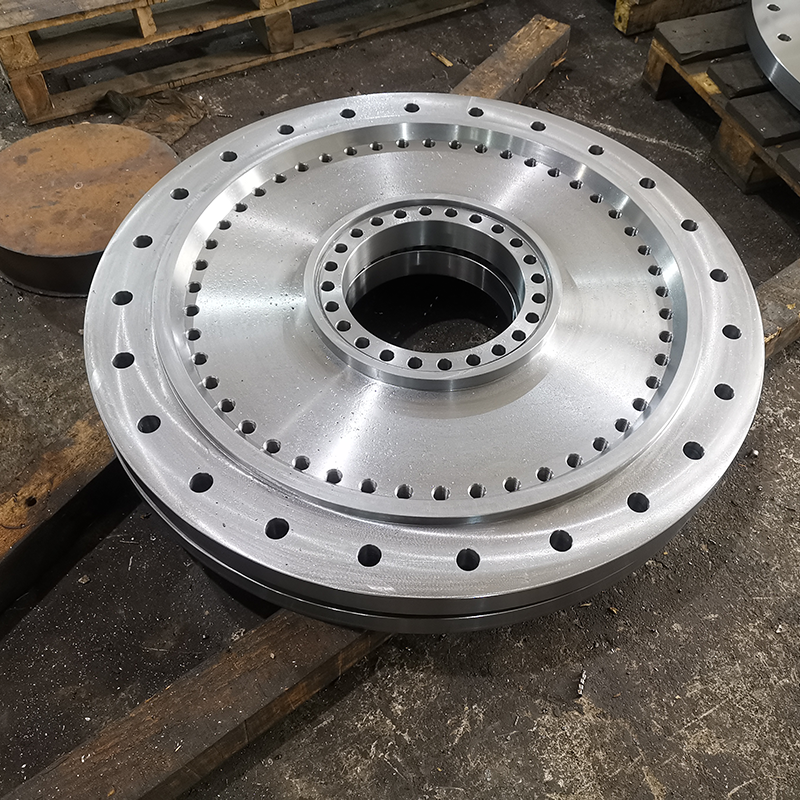
Industrial flanges are essential components in various sectors, serving as the backbone for systems that require robust, reliable connections between pipes, valves, pumps, and other equipment. These components, though often overlooked, play a critical role in maintaining the integrity of complex industrial systems. In this article, we will explore the application fields of industrial flanges, highlighting their importance in industries such as petrochemicals, natural gas transportation, power generation, and shipbuilding.
1. Petrochemical Industry
The petrochemical industry is one of the largest consumers of industrial flanges. These flanges are used extensively in the construction and maintenance of pipelines that transport crude oil, natural gas, and other chemical products. The harsh environments within refineries and chemical plants necessitate the use of high-quality, corrosion-resistant flanges to ensure safety and efficiency.
Key Applications:
- Pipelines: Industrial flanges are crucial for connecting sections of pipelines that transport raw materials and finished products. These connections must be secure and able to withstand high pressures and temperatures.
- Processing Equipment: Flanges are used in reactors, heat exchangers, and distillation columns, which are central to the processing of petrochemical products. Their ability to form tight seals ensures that no leaks occur, which could lead to dangerous situations.
- Maintenance and Repair: Flanges allow for easy disassembly and reassembly of pipeline sections, facilitating routine maintenance and emergency repairs. This feature is vital in an industry where downtime can be extremely costly.
2. Natural Gas Transportation
Natural gas transportation is another field where industrial flanges are indispensable. The transportation of natural gas from extraction sites to processing plants and then to distribution networks requires a reliable system of pipelines, where flanges play a crucial role.
Key Applications:
- Pipeline Infrastructure: In natural gas transportation, flanges are used to connect pipes of different sizes and materials. They are designed to handle the high pressures and fluctuating temperatures associated with the transport of natural gas over long distances.
- Compression Stations: Flanges are also used in compression stations, where natural gas is pressurized to maintain flow rates through pipelines. The durability of flanges in these high-stress environments ensures the continuous and safe operation of the entire network.
- Safety and Inspection: Flanges make it possible to isolate sections of a pipeline for inspection and maintenance without disrupting the entire system. This is critical for ensuring the safety and integrity of the natural gas supply chain.
3. Power Generation
In the power generation sector, industrial flanges are used in various types of power plants, including thermal, nuclear, and renewable energy facilities. The role of flanges in this industry is to ensure that the systems that generate and transport energy operate without leaks or failures.
Key Applications:
- Boilers and Turbines: In thermal power plants, flanges are used to connect boilers and turbines to piping systems that carry steam and other fluids. These connections must be capable of withstanding extreme temperatures and pressures to prevent any loss of energy.
- Cooling Systems: Flanges are also found in the cooling systems of power plants, where they connect pipes that carry cooling water or other fluids. Their reliability is essential for maintaining the proper functioning of the plant’s cooling processes.
- Nuclear Reactors: In nuclear power plants, the importance of flanges cannot be overstated. They are used in the primary and secondary loops of the reactor, where they must meet the highest standards of safety and durability to prevent the release of radioactive materials.
4. Shipbuilding and Marine Industry
The shipbuilding and marine industry relies heavily on industrial flanges for constructing and maintaining ships, offshore platforms, and other marine structures. Flanges in this industry must be capable of withstanding the harsh conditions of marine environments, including exposure to saltwater, high humidity, and varying temperatures.
Key Applications:
- Ship Piping Systems: Flanges are used extensively in the piping systems of ships, including those for fuel, water, and waste. These flanges must be highly resistant to corrosion to ensure the longevity and safety of the vessel.
- Offshore Platforms: In offshore drilling and production platforms, flanges are used in pipelines that transport oil and gas from subsea wells to the surface. The flanges must be able to endure the high pressures and corrosive environments typical of deep-sea operations.
- Marine Engines: Flanges are also found in the engines of ships, where they connect various components of the engine and exhaust systems. Their ability to provide secure connections that can withstand the vibrations and movements of the ship is crucial for the safe operation of marine vessels.
5. Water Treatment and Distribution
Industrial flanges are widely used in water treatment plants and distribution systems. These facilities require reliable connections between pipes, valves, and other equipment to ensure the clean and efficient processing and distribution of water.
Key Applications:
- Water Treatment Plants: In water treatment plants, flanges are used to connect pipes that carry water through various stages of treatment, including filtration, chemical treatment, and disinfection. These flanges must be resistant to corrosion and capable of forming tight seals to prevent leaks.
- Pumping Stations: Flanges are also used in pumping stations that transport water from treatment plants to distribution networks. The durability of flanges in these high-pressure environments is essential for maintaining a consistent water supply.
- Distribution Networks: In municipal water distribution systems, flanges connect pipes that carry water to homes and businesses. These flanges must be reliable to prevent any interruptions in the water supply.
6. Pharmaceutical and Food Processing Industries
The pharmaceutical and food processing industries require high levels of hygiene and safety, making industrial flanges a key component in these sectors. The flanges used in these industries must meet stringent standards to prevent contamination and ensure the safe production of pharmaceuticals and food products.
Key Applications:
- Pharmaceutical Manufacturing: In pharmaceutical manufacturing, flanges are used in the piping systems that transport ingredients and finished products. These flanges must be made from materials that are resistant to corrosion and easy to clean, ensuring that they do not contaminate the products.
- Food Processing: In the food processing industry, flanges are used to connect pipes that carry liquids, gases, and other materials through various stages of production. The flanges must be resistant to corrosion and capable of being sanitized to meet the industry’s hygiene standards.
- Packaging Systems: Flanges are also found in packaging systems, where they connect equipment that fills and seals containers of food and pharmaceuticals. The reliability of these connections is essential for maintaining the quality and safety of the products.
7. Chemical Industry
The chemical industry is another major user of industrial flanges. The aggressive and hazardous nature of many chemicals requires flanges that can withstand corrosive environments and prevent leaks that could lead to accidents or environmental contamination.
Key Applications:
- Chemical Reactors: In chemical plants, flanges are used to connect reactors to piping systems that transport raw materials and products. These flanges must be highly resistant to corrosion and capable of withstanding the extreme conditions within the reactors.
- Storage Tanks: Flanges are also used in the construction of storage tanks for chemicals. These flanges must provide secure connections that prevent leaks and ensure the safe containment of hazardous materials.
- Transportation: In the transportation of chemicals, flanges are used in the pipelines that carry chemicals from production facilities to storage and distribution centers. The flanges must be able to endure the pressures and corrosive nature of the chemicals being transported.
8. HVAC Systems
Heating, ventilation, and air conditioning (HVAC) systems in industrial and commercial buildings also rely on industrial flanges. These systems require reliable connections between various components to ensure efficient operation and energy conservation.
Key Applications:
- Ductwork: In HVAC systems, industrial flanges are used to connect sections of ductwork that carry air throughout a building. These flanges must be able to form tight seals to prevent leaks and ensure efficient airflow.
- Chillers and Boilers: Flanges are also used in the piping systems that connect chillers and boilers to the rest of the HVAC system. The durability and reliability of these connections are crucial for maintaining the system’s efficiency and preventing energy loss.
- Maintenance Access: Flanges provide access points for maintenance and inspection of HVAC systems. This allows for easy disassembly and reassembly of system components, ensuring that the system remains in optimal working condition.
Conclusion
Industrial flanges are versatile components that are integral to the safe and efficient operation of various industrial systems. From the petrochemical and natural gas industries to power generation, shipbuilding, and more, flanges provide the critical connections needed to maintain the integrity and functionality of complex systems. Their ability to withstand extreme conditions, resist corrosion, and facilitate maintenance makes them indispensable in a wide range of applications.
As industries continue to evolve, the demand for high-quality industrial flanges will only increase, driving innovation in flange design and materials. Understanding the application fields of industrial flanges is essential for anyone involved in industries where these components play a critical role. Whether you are designing new systems, maintaining existing ones, or simply seeking to understand the importance of flanges in industrial applications, this knowledge will serve as a valuable resource.