

Abstract:
Heat exchanger tubes are the central functional components of tubular heat exchangers, which enable the efficient transfer of thermal energy between fluids without direct interaction. They are commonly employed across the power generation sector, chemical processing sector, HVAC systems, chemical manufacturing sector, food processing sector, and renewable energy industries.
The classical theory of heat transfer is outlined by Incropera et al. In standards like the ASME Boiler and Pressure Vessel Code, as well as TEMA (Tubular Exchanger Manufacturers Association) guidelines, the purpose of a heat exchanger’s tube is to extend beyond the simple transfer of heat. It encompasses pressure containment, corrosion resistance, fouling prevention, thermal efficiency enhancement, and long-term mechanical dependability.
This article provides a comprehensive, industry-oriented description of what a heat exchanger’s tube does, the reason for its design is critical, the way different industries choose material and geometric properties affects performance, and the different ways that heat exchangers are specified for different purposes.
Understanding Heat Exchanger Tubes: A Fundamental Overview
A heat exchanger’s tube is a porous cylindrical component that houses one fluid flow and another that transfers heat to the first through the wall or across the bundle of tubes. The tube’s wall functions as the thermal interface; this allows heat to be conducted through the tube while maintaining a strict distinction between the fluids.
Unlike slabs or expansive surfaces, tubes have:
- High-pressure resistance
- Extremely wide temperature range
- Modularity in scale
- Constant long-term viability
These traits explain the why of the domination of heat exchangers based on tubes in heavy industry.
The Primary Purpose of a Heat Exchanger Tube
- Effective Heat transfer between fluids
The purpose of a heat exchanger’s tubes is to maximize the efficiency of heat transfer while minimizing the loss of energy. Heat flows through three distinct mechanisms:
- Convection from the hot fluid to the tube’s wall.
- The transmission of electricity through the tubing.
- Convection from the tube’s wall to the cold fluid.
The geometry of theTube, the surface condition, and the thermal conductivity all have an effect on this process.
- Physical Distinction of Fluids
In many instances, a fluid mixture would be devastating. Heat exchanger tubes serve to:
- Completely isolated from all fluids
- Prevention of contamination
- Safety process assurance
This function is essential to industries that have media that are toxic, corrosive, or of high quality.
- Pressure and Temperature Regulation
The heat exchanger tubes must be able to withstand:
- Elevated internal temperatures
- Temperature cycling
- Temperature elevations
- Mechanical movement
The tube not only functions as a thermal component, but also as a pressure limit, governed by mechanical design codes.
Why Tubes Are Preferred Over Other Heat Transfer Elements?
Although plate and finned heat exchangers exist, tubes remain dominant in industrial systems.
| Feature | Heat Exchanger Tubes | Plates | Fins |
| Pressure Resistance | Excellent | Moderate | Low |
| Temperature Limit | Very high | Medium | Medium |
| Fouling Tolerance | High | Low | Medium |
| Mechanical Strength | High | Moderate | Low |
| Maintenance Access | Good | Limited | Limited |
This balance of strength, adaptability, and durability defines the continued relevance of heat exchanger tubes.
How Heat Exchanger Tubes Work in Practice?
In practical applications, heat exchanger tubes serve as the primary means of heat transfer between two fluids with different temperatures; they also maintain mechanical differentiation and pressure containment.
- The Basics of the Working Principle
One kind of fluid is pumped through the tubes (tube-side fluid)
The second fluid is external to the tubes (shell fluid)
Heat is transferred through:
- Convection from the hot fluid to the tube’s wall.
- The transmission of electricity through the tubing.
- Convection from the wall of the tube to the cooler fluid.
The effectiveness of heat transfer depends on fluid velocity, temperature difference, tube material, surface condition, and flow regime.
- Practical Operating Additions
The arrangement of the tubes (direct, U-shaped, multiple passes) has an effect on the flow velocity and the heat transfer rate.
Baffles and flow direction have a positive effect on the shell’s turbulence.
Over time, fouling resistance increases, which reduces the thermal efficiency.
The decrease in pressure must be compensated for by the increase in efficiency of heat transfer.
In practice, engineers seek to maximize the design of the tubes in order to achieve the greatest possible heat transfer with the least amount of energy loss.
Single-Phase vs Two-Phase Applications
Heat exchanger tubes have a different behavior depending on the nature of the working substances.
- Single-Phase Utilization
Characteristics:
- The fluid remains in a liquid or gaseous state during the procedure.
- Heat transfer is facilitated by the sensible temperature change.
- Frequent in water, oil, air, and other process fluids.
Examples:
- Cooling water methods
- Lube oil refrigerators
- Gas heaters
Design Implications:
- The temperature difference between the hot and cold areas is small.
- The selection of tubing material is based on corrosion resistance and thermal conductivity.
- The control of flow velocity is essential to prevent fouling or erosion.
Performance-oriented focus:
Increasing turbulent motion increases the heat transfer rate, but it also increases the pressure drop.
- Two-Phase Utilization
Characteristics:
- Fluid is heated or cooled inside or outside of the tubes.
- The heat that is transferred as a result of the latent process is the most important.
- The heat transfer rates are significantly greater than the single-phase flow rates.
Examples:
- Condensers that steam
- Evaporators and Reboilers
- Refrigeration and heating/ cooling systems
Design Implications:
- The condition of the tubes’ surface has a significant impact on the behavior of nucleation and condensation.
- The proper selection and placement of the tubes is essential.
- The risk of flow inactivity, vibrations, and dryout must be controlled.
Performance-oriented focus:
Effective transition between phases with controlled distribution of flow.
- Key Differences: Single-Phase vs Two-Phase Tube Operation
| Aspect | Single-Phase | Two-Phase |
| Heat transfer mode | Sensible heat | Latent heat |
| Heat transfer coefficient | Moderate | High |
| Flow stability | High | More complex |
| Design complexity | Lower | Higher |
| Common risks | Fouling, erosion | Dry-out, flooding, vibration |
Tube Geometry and Its Functional Purpose
- The outer Diameter (OD) and the Wall Thickness (WT) are both measured in centímetros
The diameter of the tubes’ mouths and their thickness determine their capacity:
- Heat transfer area
- Mechanical resistance
The decrease in pressure is dependent on the characteristics of the drop.
Thinner walls increase the thermal conductivity of the building but decrease the capacity to withstand pressure.
- Tube diameter
Longer tubes increase heat transfer area, but also:
- Increase the pressure differential
- Distant maintenance
Designers must strike a balance between efficiency and operability.
- Directed vs. Indirected Bends
- Direct tubes: Easier to clean, solid design
- U-bend tubes: Allow for thermal expansion, compact design
The tube’s shape directly supports thermal and mechanical goals.
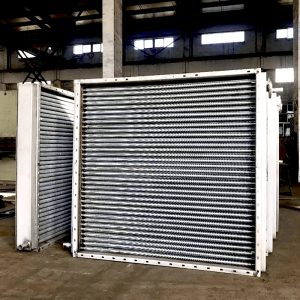
Materials and Their Purpose in Heat Exchanger Tubes
Material selection defines how well a heat exchanger tube performs over its service life.
Common Materials and Functions
| Material | Purpose and Advantages |
| Carbon Steel | Cost-effective, good strength |
| Stainless Steel | Corrosion resistance, hygiene |
| Copper & Copper Alloys | High thermal conductivity |
| Titanium | Seawater and chloride resistance |
| Nickel Alloys | Extreme temperature and corrosion resistance |
The “purpose” of a tube material is always application-specific.
Corrosion Resistance: A Critical Functional Role
Many fields have a primary failure mechanism that is caused by corrosion, not heat transfer.
Heat exchanger tubes are designed to:
- Attempt to uniform the corrosion resistance
- Avoid snail and worm corrosion
- Minimize stress corrosion and cracking
Incorrectly selecting the material of the tubes often results in the premature failure of the exchanger.
Fouling Control and Heat Exchanger Tube Performance
Fouling decreases the efficiency of heat transfer and increases the cost of energy.
Tube surface design considerations:
- Inner surfaces that are smooth decrease the accumulation of salts
- specialized coating that inhibits biofilm formation
- Increased surfaces lead to increased turbulence
As a result, a heat exchanger’s tube also functions as a tool for fouling prevention.
Industrial Applications of Heat Exchanger Tubes
- Generation of Power
In power plants, tubes are employed in:
- Boilers
- Condensers
Provide water at a temperature of 80 degrees Celsius.
They must be able to withstand extreme pressure and temperature for decades.
- Oil and Gas and Chemical Industries
These are the tubes that deal with this:
- Volatile hydrocarbons
- High-temperature procedure flows
- High fouling ability
Robustness and safety are the primary design concerns of the tube.
- HVAC and Refrigeration Technology
In HVAC systems, heat exchanger tubes facilitate:
- Effective thermal cycling
- Small system configurations
- Extended service life
Aluminum and copper tubes are popular because of their thermal efficiency.
- Chemical and Pharmaceutical Engagement
In these industries, the purpose of the tubes is to:
- Product authenticity defense
- Cleanability
- Adherence to regulations
The traceability of materials is often essential.
- Food and Beverage Industry
Heat exchanger tubes have support:
- Pasteurization
- Sterilization
- Healthy thermal transfer
Sanitary-grade stainless steel tubes are common.
Standards Governing Heat Exchanger Tubes
Heat exchanger tubes must follow international standards for material composition, manufacturing, and testing in order to ensure safety, performance, and long-term stability.
Common International Rules
ASME Boiler and Pressure Vessel Code (BPVC) – Design and pressure stability requirements
ASTM Standards – The composition of materials and their mechanical properties.
- ASTM A179 / A192 – Carbon steel cylinders
- ASTM A213 – Alloy and stainless steel pipes
- ASTM B163 / B165 – Alloyed nickel tubes
EN Standards (Europe)
- EN 10216 / EN 10217 – Welded and seamless steel tubes.
- ISO standards – Tolerance regarding dimensions and quality control.
- TEMA Standards – Design and specifications for shell-and-tube heat exchangers.
Violation of these standards will lead to the inability to exchange, trace, and gain global acceptance in power, chemical, HVAC, and process industries.
Heat Exchanger Tube Failure Modes and Prevention
Tube failures are the primary cause of heat exchanger inactivity and reduced performance.
- Common Failure Mechanisms
Corrosion
- Constant corrosion
- Pitting and cracking corrosion
- Corrosion stress (S)
Drainage and Drainage-Corrosion
- Fast fluids with a high velocity
- Solid or flocculent particles
Fouling and Scaling
- Mineral reserves
- Biological colonization
- Residue accumulation process
Heat fatigue
- Constant temperature cycling
- Uneven temperature expansion
Mechanical Hurt
- Vibration-related damage
- Incorrect installation or lack of support
- Prevention tactics
- The proper choice of material based on chemical fluid properties.
- Control of the flow velocity and optimization of the baffles.
- Treatments and coating
- Constant monitoring (eddy current, ultrasonic inspection)
- Effective cleaning and preservation initiatives
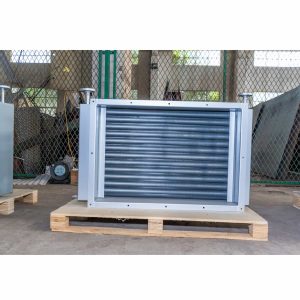
Selection Criteria: Choosing the Right Heat Exchanger Tube
Selecting the appropriate tube type and specifications is crucial to efficiency, safety, and cost control during the lifecycle.
Key selection factors
- Operating Conditions
Temperature and pressure
Frequent thermal cycling
- Media Process
Corrosiveness
Presence of chlorides, sulfur, or acids
Cleaner or more contaminated fluids?
- Mechanical Necessities
Stiffness and resistance to creep
Tolerance to vibrations
- thermal performance
Conductivity of heat
Thick and thin optimization of the wall’s thickness
- Price and Accessibility
The cost of the initial materials
Maintenance and replacement expenses
- Common Tube Materials and Applications
| Material | Typical Applications |
| Carbon steel | Water, oil, and low-corrosion services |
| Stainless steel | Chemical, food, pharmaceutical |
| Copper alloys | HVAC, marine applications |
| Nickel alloys | High-temperature, high-corrosion environments |
| Titanium | Seawater, desalination |
Future Trends in Heat Exchanger Tube Technology
The market for heat exchanger tubes is progressing towards greater efficiency, longer life, and sustainability.
- Exalted Materials
High-alloy stainless steels
Enhanced nickel-based compounds
Composite and encased tubes
- Augmented Engineering on the surface
Small-scale and folded tubes
anti-fouling and corrosion-resistant coatings
Additive surface decoration
- Digital Predictive Maintenance and Monitoring
Smart sensors that measure temperature and corrosion are under development.
Data-based failure predictions
Reduced planned vacation time
- Sustainability-Based Design
Thinner walls that have a higher tensile strength
Increased efficiency of heat transfer.
To extend the life of the product by reducing the amount of material needed
FAQ: Heat Exchanger Tubes
- What is the primary function of a heat exchanger tube?
To transfer heat effectively between fluids without compromising on physical distance or pressure.
- Why is it common for tubes to be used in place of plates?
Tubes are able to withstand higher pressure, temperature, and fouling.
- Does the material of the tubes affect the transfer of heat?
Yes. The thermal conductivity, corrosion resistance, and surface condition all have an effect on performance.
- How long do heat exchanger tubes typically have?
With the proper selection of material and consistent care, 15-30 years or more.
- Can heat exchanger tubes be reused?
Yes. Many shell-and-tube configurations allow for the replacement of a section of the exchanger without taking away the entire thing.
Conclusion
What is the purpose of a heat exchanger’s tube?
It’s much more than a simple means of transporting fluids. A heat exchanger’s tube is a versatile component of engineering that is intended to maximize the efficiency of heat transfer while also maintaining mechanical strength, corrosion resistance, fouling, safety, and cost during its lifespan.
From power plants to chemical reactions and HVAC systems, heat exchanger tubes are still important to modern industry. Their objective is not solely to transfer heat, but also to do so in a safe, dependable, and cost-effective manner.
Understanding the larger goal allows engineers, consumers, and operators to make informed decisions that ultimately improve the performance and sustainability of the system.