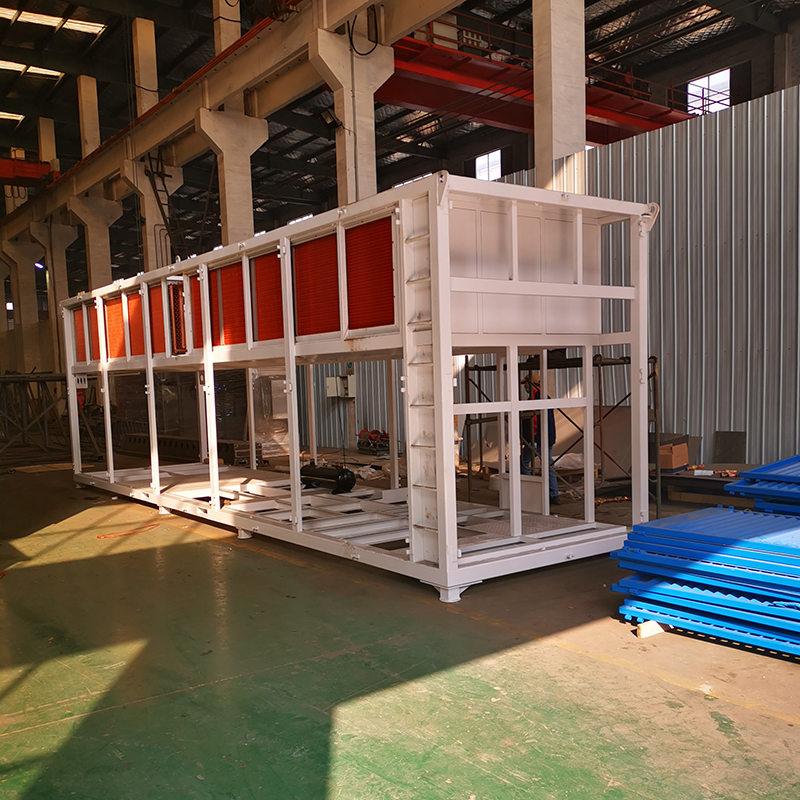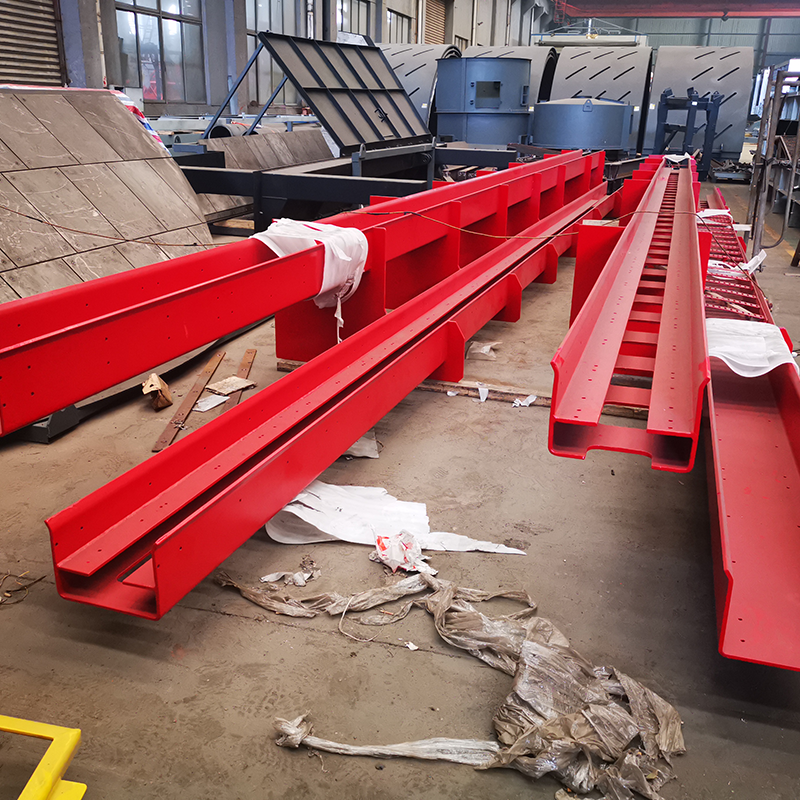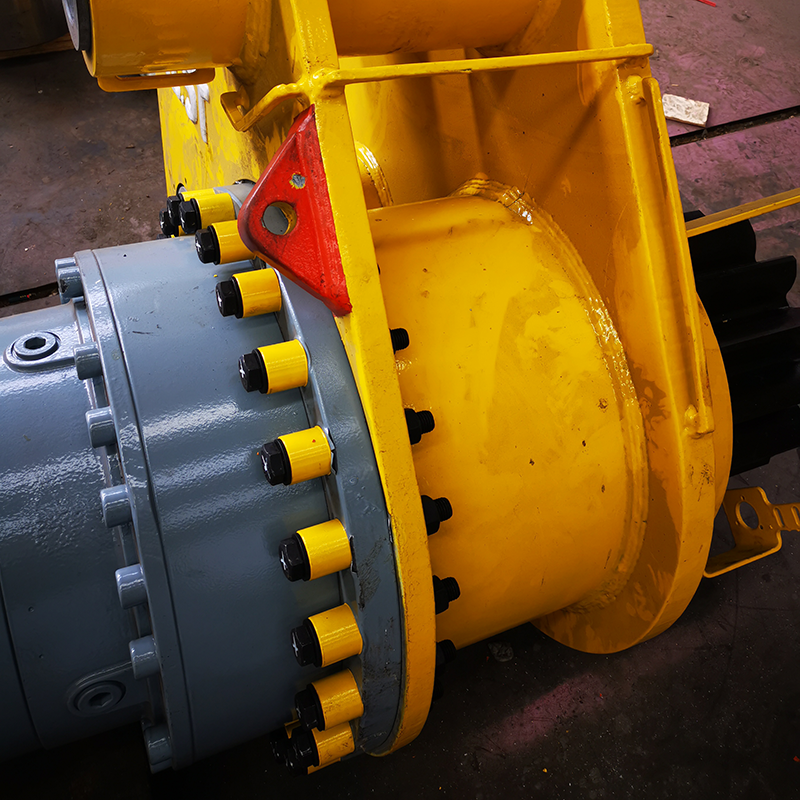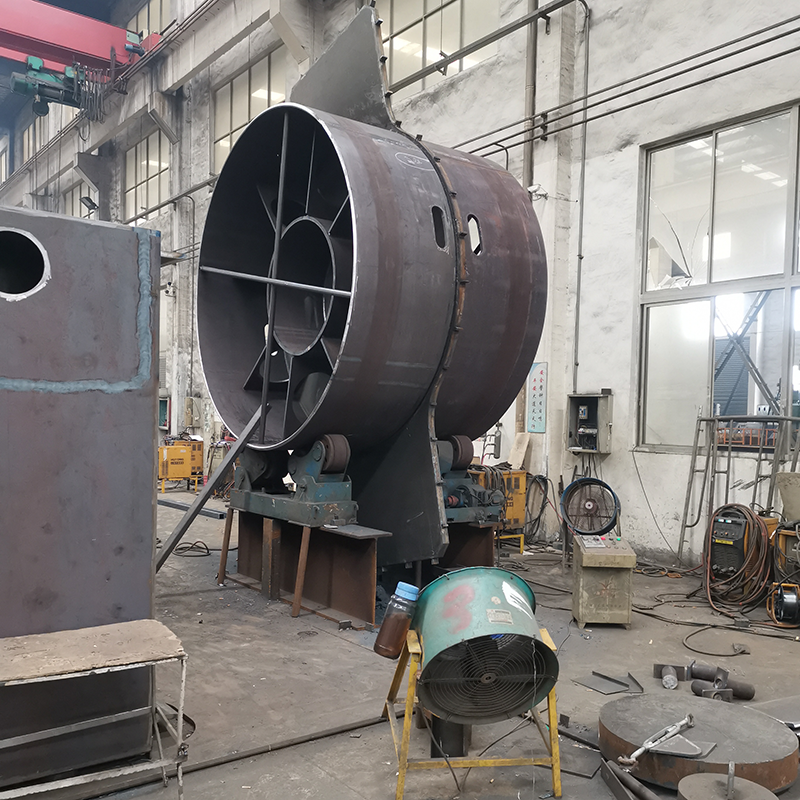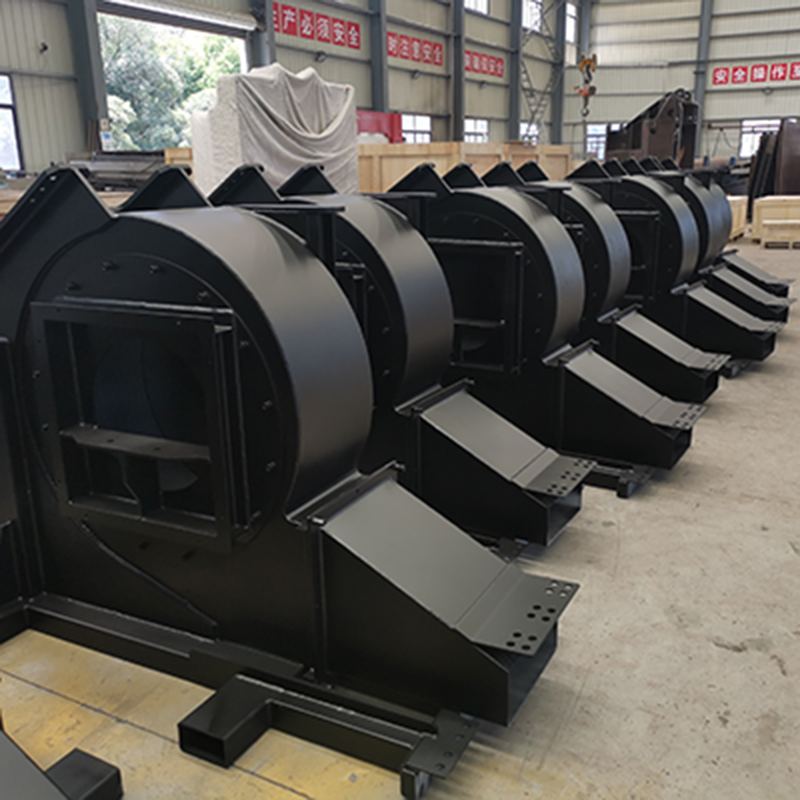
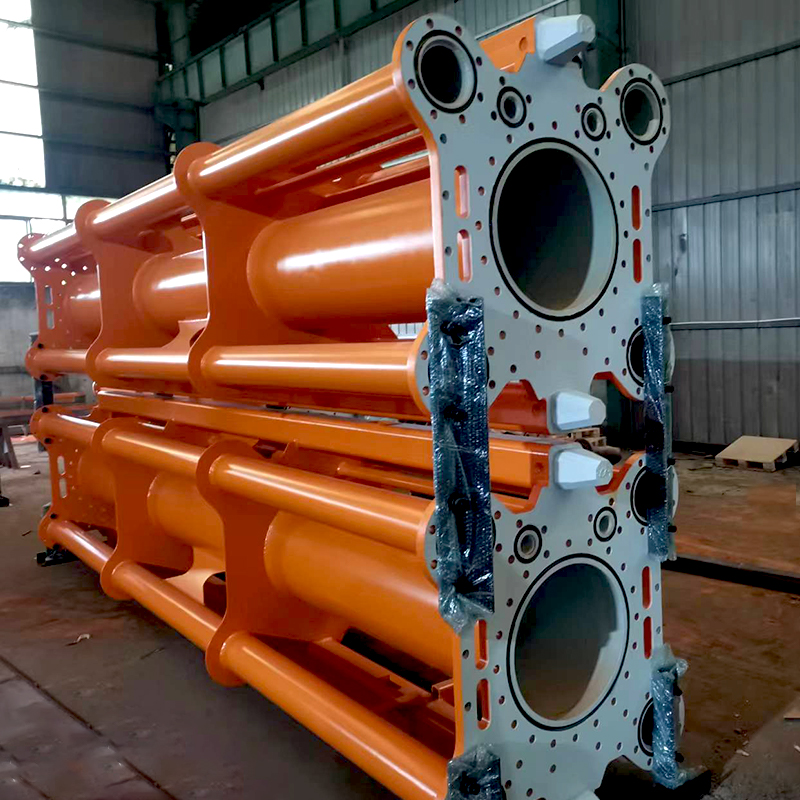

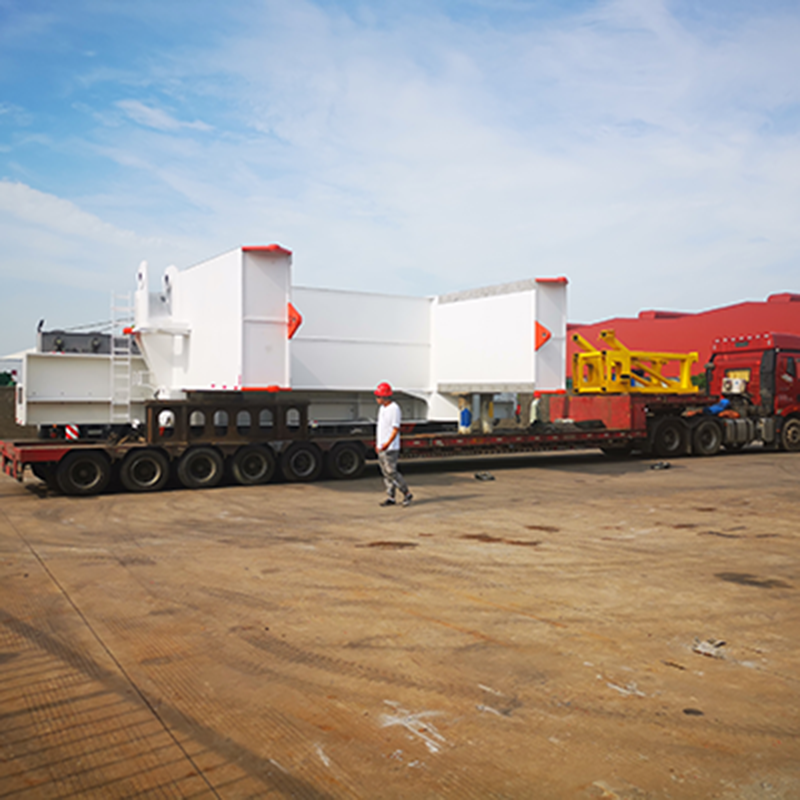
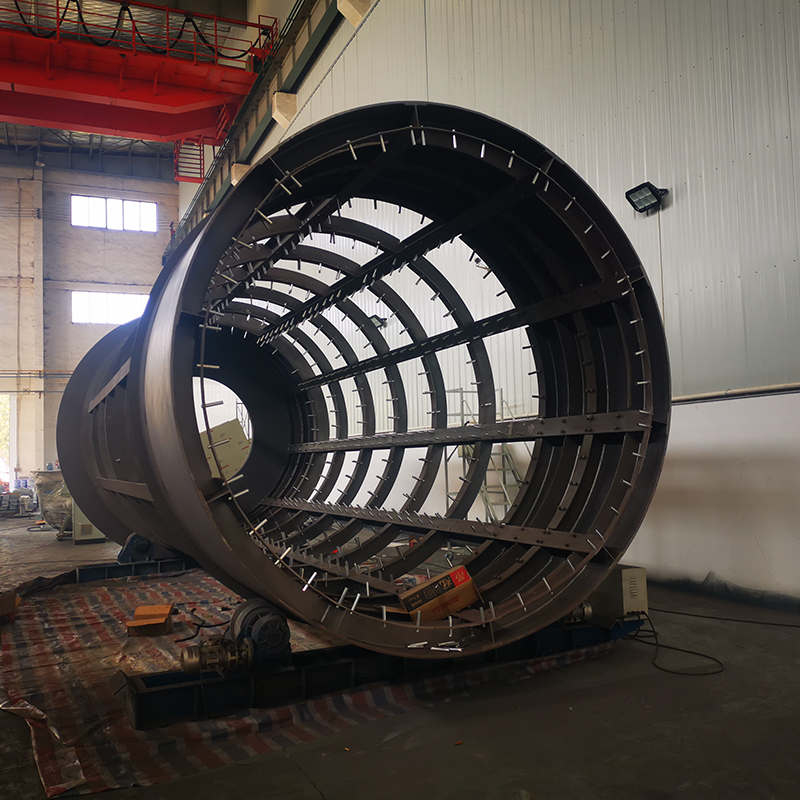

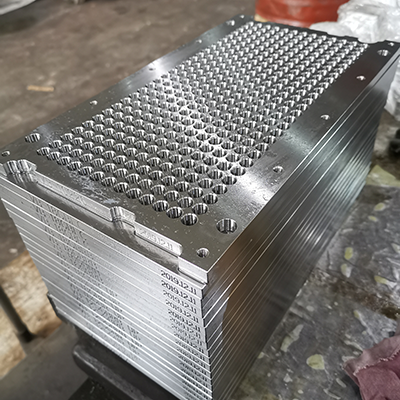
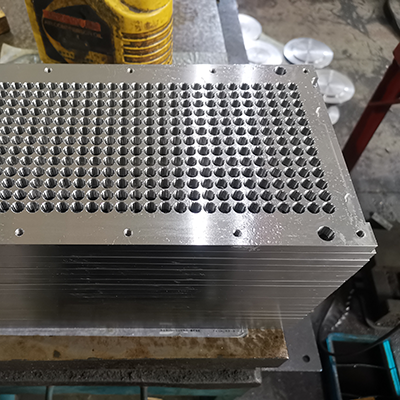
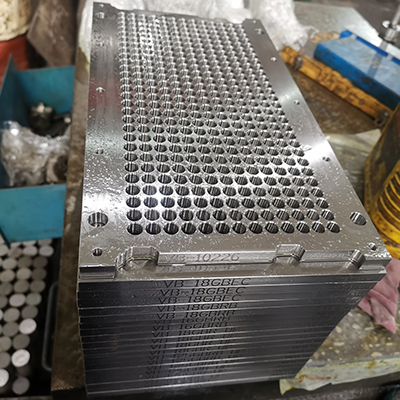
Product specifications
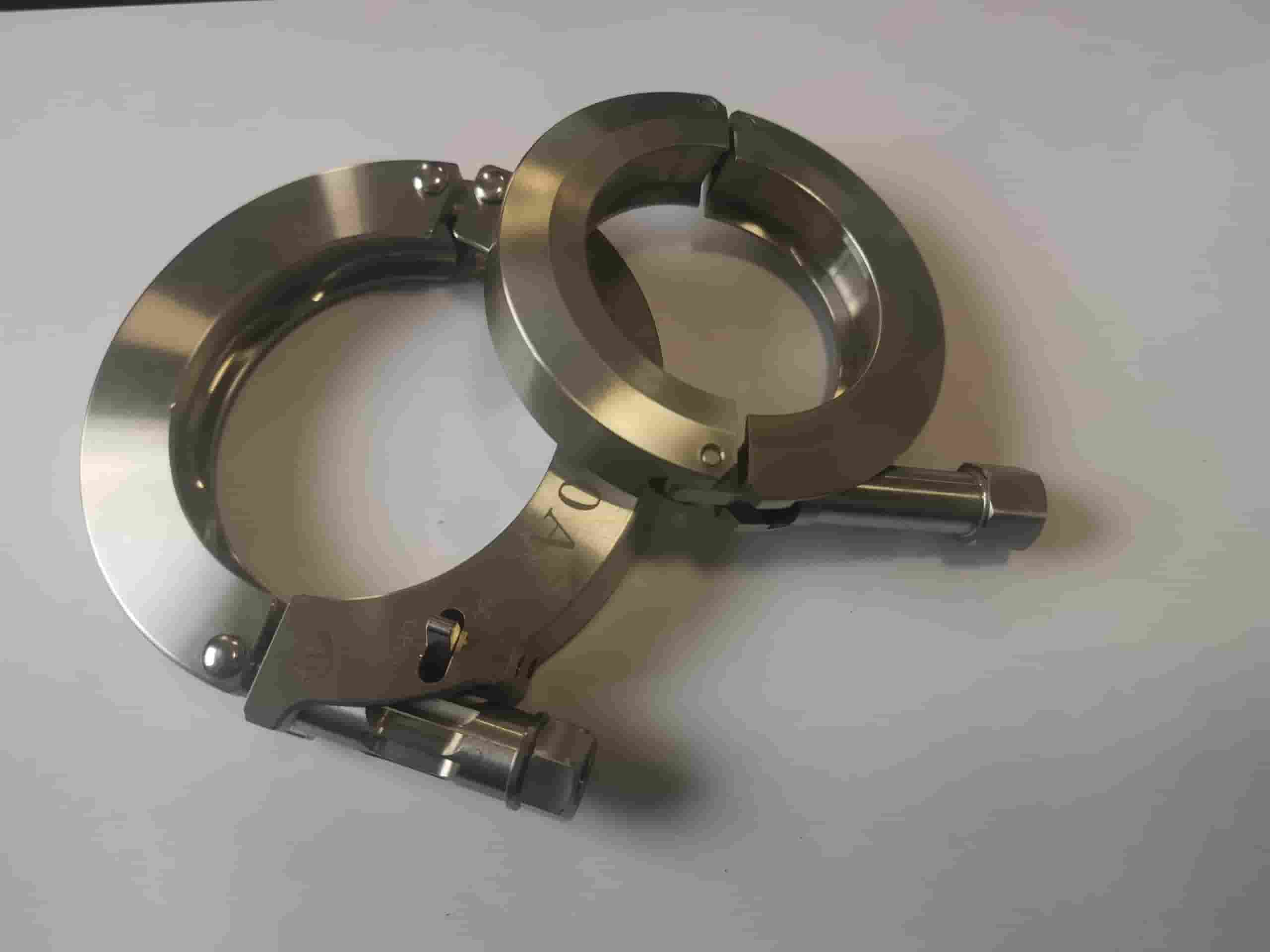
Material: high-strength alloy steel, stainless steel, aluminum alloy, etc.
Surface coating types: anti-corrosion coating, wear-resistant coating, etc.
Tolerance range: ±0.01mm
Processing methods: precision forging, CNC turning, surface treatment, etc.
Quality inspection: ultrasonic flaw detection, hardness test, tensile test
1. Air preheater
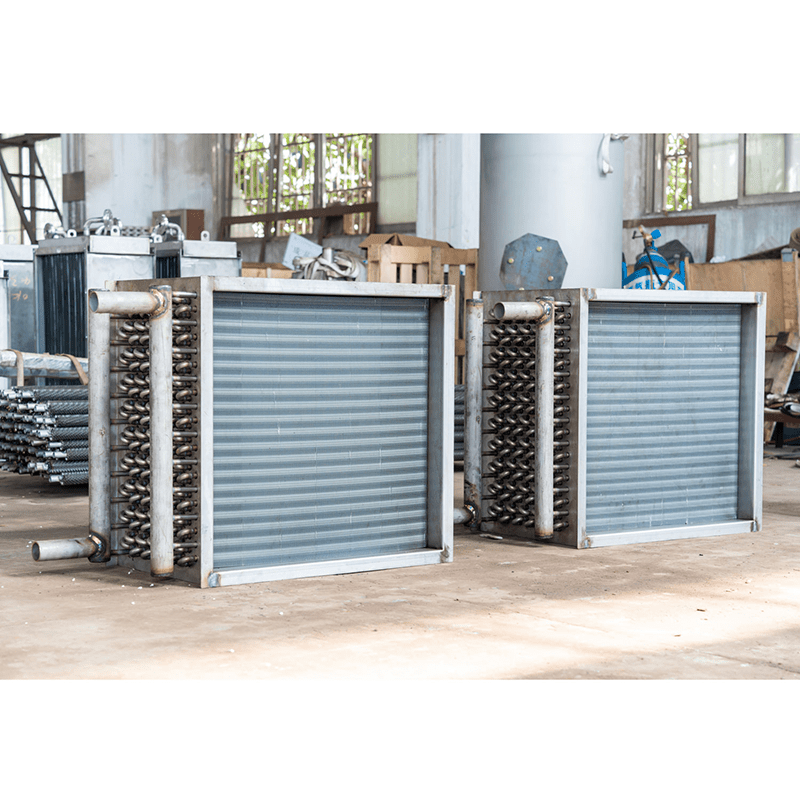
The air preheater is a waste heat recycling device. According to the heat transfer method, the air preheater can be divided into two categories: heat conduction type and regeneration type. Among them, the plate air preheater belongs to the heat conduction type. Its main function is to achieve heat recovery through the medium with a temperature difference from high to low. Therefore, it is mostly used in industries such as chemical industry, coal-fired power plants, and steel rolling with high-temperature flue gas emissions.
2. The composition of the plate air preheater
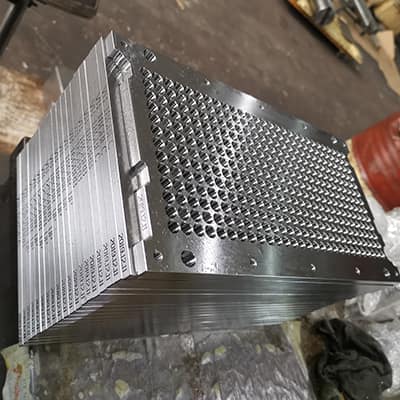
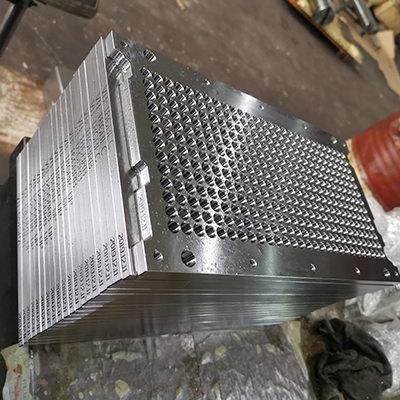
The plate air preheater uses corrugated plates made of stainless steel as heat exchange elements. The corrugated plates are spliced to form a group of plate bundles, and multiple plate bundles form a heat exchange module. When the heat exchange is performed, the flue gas passes through the outside from top to bottom, and the air passes through the inside of the box horizontally, turning upward at the bottom to achieve reverse flow, improve the heat transfer efficiency, and after the cold and hot media are fully contacted and heat exchanged, the heated air returns to the boiler to assist in the combustion of coal fuel.
3. Advantages of plate-type air preheater
1. High heat conduction efficiency. The heat transfer element of the corrugated plate changes its cross-sectional shape along the flow direction of the fluid, which can enhance fluid disturbance and improve the heat conduction performance of the fluid. Combined with the heat transfer of the thin plate, the overall coefficient is higher than other types of air preheaters.
2. Corrosion resistance and dust accumulation. The metal plate has a strong corrosion resistance, and the equipment under the plate structure has no eddy current, and the dust adhesion on the heat exchange surface is small. Long-term operation will not slow down the performance, and no dust cleaning is required.
1. Working principle of air preheater
Affected by energy-saving policies, air preheater has been widely used in the industrial boiler industry. It is also an important part of power plants, which can recover part of the heat of flue gas and reduce the exhaust temperature. Its principle is simple and easy to understand. The air preheater recovers waste heat from the high-temperature flue gas of boilers, heating furnaces and exhaust gas catalytic incinerators and the cold air required for combustion. On the one hand, the air preheater can increase the air temperature used for boilers, heating furnaces and exhaust gas catalytic incineration.
2. The role of boiler air preheater
1. Reduce heat loss. Since the air preheater uses the heat of flue gas in the flue at the tail of the boiler to heat the air entering the boiler, it fully utilizes the heat of flue gas, thereby reducing heat loss.
2. Improve boiler efficiency. By using the heat of flue gas to heat the air entering the boiler, while effectively utilizing the heat of flue gas, it also increases the inlet air temperature in the boiler, thereby improving boiler efficiency.
3. Improve combustion efficiency. The air preheater makes full use of the heat of flue gas and reduces the exhaust temperature at the same time. It heats the air required for combustion, thereby also improving the combustion efficiency in the boiler.
Plate air heat exchanger is more efficient
1. Advantages of plate heat exchange structure
The plate air preheater adopts a compact structural design. Compared with traditional flue gas waste heat recovery equipment, it is smaller in size, lighter in weight, and occupies less space. This compact design enables the plate air preheater to better adapt to the space limitations of industrial production sites and is easy to install and maintain.
2. Less resistance and faster heat transfer
The plate air preheater adopts an optimized flue gas and air flow method in design. Through reasonable flow channel layout and fluid dynamics analysis, it realizes full contact and heat exchange between flue gas and air, maximizes the heat exchange effect between flue gas and air, and allows the high temperature heat in the flue gas to be effectively transferred to the air.
3. Good thermal conductivity of the material
The heat exchange element of the plate air preheater is a corrugated metal plate. The heat exchange surface of the high temperature and corrosion resistant metal plate is larger. It has good thermal conductivity and can operate for a long time under high temperature and high pressure environment, which can further increase the heat transfer effect.
The plate air preheater has become an important equipment for improving energy utilization efficiency in industrial production due to its compact structural design, less resistance, faster heat transfer, high temperature and corrosion resistance.
Introduction of Air preheater
Air preheater is a preheating equipment that improves the heat exchange performance of boilers and reduces heat loss. The function of an air preheater is to transfer the heat carried by the flue gas discharged from the tail flue of the boiler through the heat dissipation fins to the air before entering the boiler, preheating the air to a certain temperature.
Generally referred to as air preheater. Commonly used in coal-fired power plant boilers. It can be divided into two types: box type and rotary type, with rotary type further divided into hood rotary type and heating surface rotary type. Power plant boilers often use heating surface rotary preheaters. The application in boilers is generally divided into two compartments, three compartments, and four compartments, among which four compartments are more commonly used in circulating fluidized bed boilers.
Working principle of air preheater
Taking a rotary air preheater as an example to illustrate the principle of an air preheater, it rotates slowly during operation, and the flue gas enters the flue gas side of the air preheater before being discharged. The heat carried by the flue gas is absorbed by the heat dissipation fins in the air preheater. Then, the air preheater rotates slowly, and the heat dissipation fins move to the air side, transferring the heat to the air before entering the boiler.
The application of air preheaters in boilers is mostly three compartment type, equipped with fire alarm systems, gap adjustment systems, and variable frequency control systems. The air preheater is widely used in flue gas boiler systems due to its convenient use, simple operation, safe operation, and ability to improve the heat exchange performance of the boiler system.
Function of air preheater
1. Improve and strengthen combustion
After passing through the waste heat exchanger, the air enters the furnace, accelerating the drying, ignition, and combustion process of the fuel, ensuring stable combustion in the boiler and improving combustion efficiency.
2. Enhanced heat transfer
Due to the improvement and intensification of combustion inside the furnace, as well as the increase in the temperature of the hot air entering the furnace, the average temperature level inside the furnace has also increased, thereby enhancing the radiation heat transfer inside the furnace.
3. Reduce furnace losses, lower exhaust gas temperature, and improve boiler thermal efficiency
Due to stable combustion in the furnace and enhanced radiation heat exchange, chemical incomplete combustion losses can be reduced; On the other hand, the air preheater utilizes the waste heat of flue gas to further reduce smoke exhaust losses, thereby improving the thermal efficiency of the boiler. Based on experience, when the air rises by 1.5 ℃ in the preheater, the exhaust temperature can be reduced by 1 ℃. After installing an air preheater in the boiler flue, if the air waste heat can be reduced by 150-160 ℃, the exhaust temperature can be reduced by 110-120 ℃, and the boiler thermal efficiency can be increased by 7% -7.5%. It can save fuel by 11% -12%.
4. Hot air can be used as a fuel desiccant
For layer combustion furnaces, hot air can be used as fuel with high moisture and ash content. For power plant boilers, hot air is an important desiccant and coal powder conveying medium in the powder making system.
classification of air preheater
According to the heat transfer method of air preheaters, they can be divided into two categories: thermal conduction type and regenerative type. The most commonly used type of thermal air preheater is a tubular air preheater. With the increase of boiler parameters and capacity, the heating surface of the tubular air preheater also increases, which brings difficulties to the layout of the tail heating surface. Therefore, in large capacity units, compact and lightweight rotary air preheaters are mostly used. Air preheaters are generally divided into three types: plate type, rotary type, and tube type.
Plate type
This type of air preheater is often made of 1.5-4mm thin steel plates. Weld the steel plates into rectangular boxes, assemble several boxes into a group, and the entire air preheater consists of 2-4 boxes. The smoke passes from top to bottom, passing through the outer side of the box, while the air passes horizontally through the inside of the box and turns upwards at the bottom. It interacts with the smoke twice to transfer energy, forming a reverse flow between the smoke and the air, achieving better heat transfer efficiency.
The plate air preheater is not compact in structure due to the high consumption of steel; There are many welds that are prone to leakage, and they are rarely used nowadays.
Tubular type
The main heat transfer component of a tubular air preheater is a thin-walled steel pipe. Tubular air preheaters are mostly cubic in shape, with steel pipes arranged vertically and staggered with each other, and both ends welded to the upper and lower tube plates. The tubular air preheater is equipped with an intermediate tube plate inside the tube box, and the flue gas passes through the preheater up and down along the steel pipe. The air then passes through the preheater horizontally, completing heat conduction.
The advantages of a tubular air preheater are good sealing, high heat transfer efficiency, and ease of manufacturing and processing, making it widely used in power plant boilers and industrial boilers. The disadvantages of a tubular air preheater are its large volume, easy blockage of ash inside the steel pipe, difficulty in cleaning, and easy wear and tear at the flue gas inlet.
Rotary type
Rotary air preheater is the most common form of regenerative air preheater, which uses flue gas and air to alternately heat air through metal heating surfaces. The rotary air preheater can be divided into two types according to the movement mode: the heating surface rotation and the wind hood rotation. The two air preheaters in this furnace are the three compartment heating surface rotary air preheaters.
The rotary air preheater consists of a cylindrical rotor, a fixed cylindrical shell, and a driving device.
The rotary air preheater can be divided into two types: one is the rotor rotary type with the heating surface rotating, and the other is the air duct rotary type with the air duct rotating.
The rotary air preheater is composed of a rotating circular rotor and a fixed shell. The rotary heating surface is divided into many compartments, which are equipped with heat storage plates. The heat storage plates absorb the heat of the gas and accumulate it. When it turns to the air side, the accumulated heat is released to the air, reducing its own temperature. The heating surface continuously rotates, and heat is continuously transferred from the flue gas to the air. The air is heated and the flue gas is cooled. This is the working principle of a rotary air preheater.
The main advantages of a rotary air preheater are small size, light weight, and allowing for significant wear and tear on the heat transfer components, making it particularly suitable for use in large boilers. The disadvantages are its complex structure, power consumption, and high air leakage.
Attached system
The rotary preheater mainly includes fire alarm (hot spot detection), gap adjustment, variable frequency control, lubricating oil system, rotor stop alarm system, soot blowing and cleaning system, etc.
The key issues affecting the performance of rotary air preheaters are air leakage, corrosion, and ash blockage. When designing a tubular air preheater, the air flow rate and box size should be reasonably selected, or anti vibration partitions should be installed along the airflow direction to prevent cavity resonance. Anti vibration partitions also have the function of eliminating noise. The air leakage of the rotary air preheater is an important issue, and measures should be taken from the aspects of design, manufacturing, installation, and operation to maintain a reasonable sealing gap between the dynamic and static components in a hot state. When using high sulfur fuel, both tubular and rotary preheaters are prone to corrosion and ash blockage. Preventive measures include installing a heater at the air inlet or using hot air recirculation; Using low oxygen combustion or co firing additives to reduce the generation of SO2 gas in the flue gas; Regularly blow ash to keep the heating surface clean; The heating surface is made of corrosion-resistant materials, etc.
Contact Information for Air Preheater Plates Inquiries
For more information about Air Preheater Plates or to obtain customized solutions, please contact us:
- Contact Person: Frank
- Tel: 86-510-82305188-8060
- Mobile: 86-18605101203
- Mail: [email protected]
- Address: 15-16F, Building A10, No. 777, JianZhu West Road, Binhu District, Wuxi, Jiangsu, 214072. P.R. China
We look forward to collaborating with you and providing robust support and services for your business.