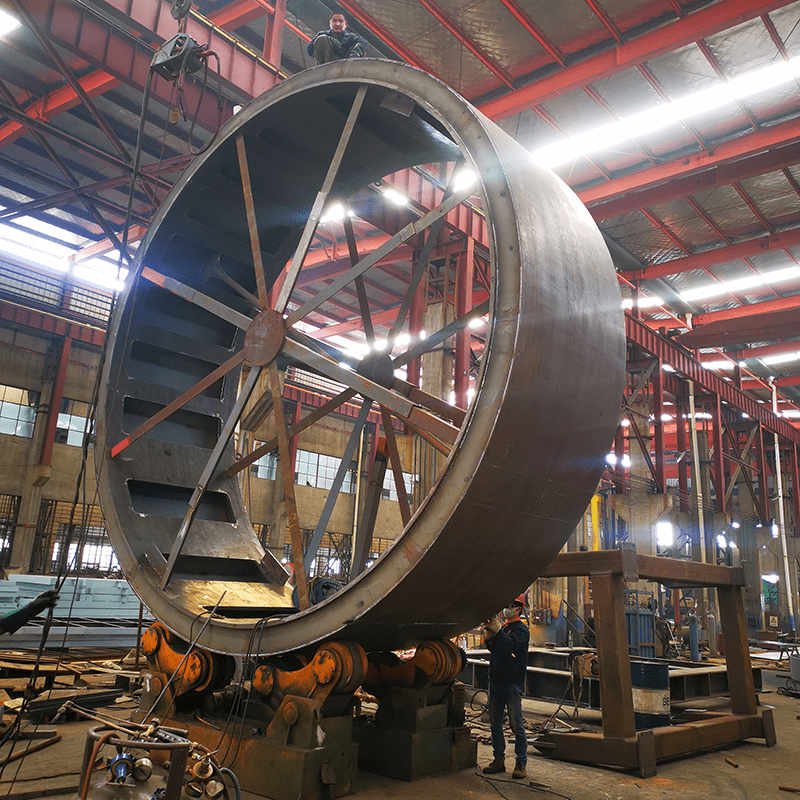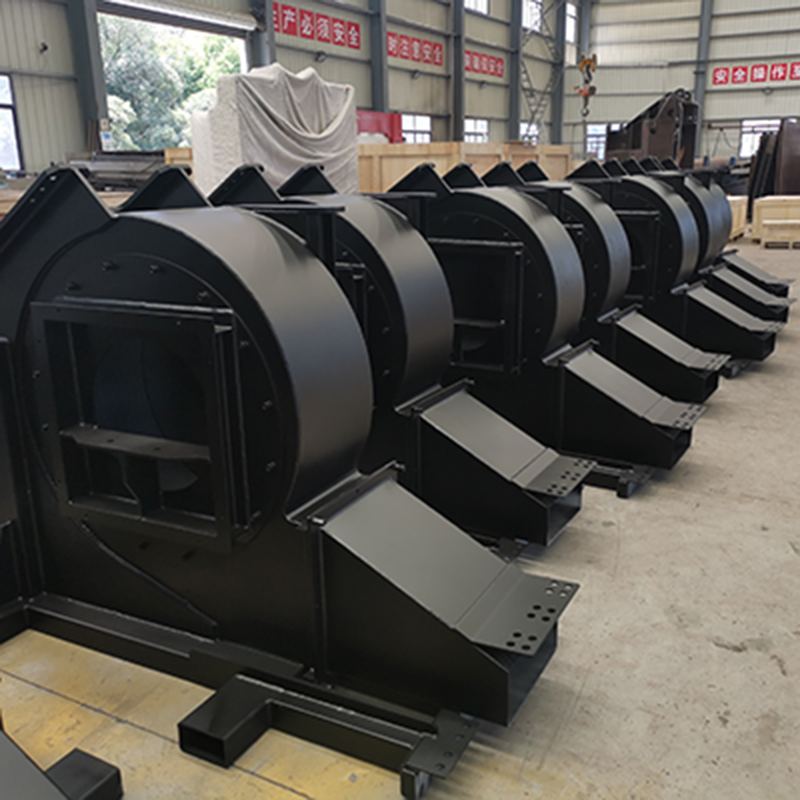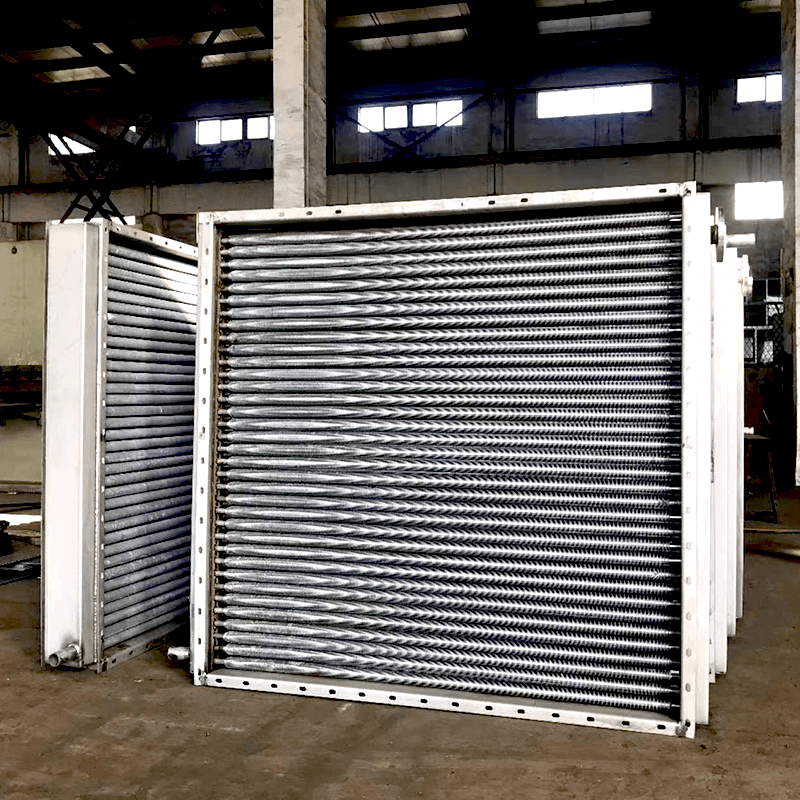

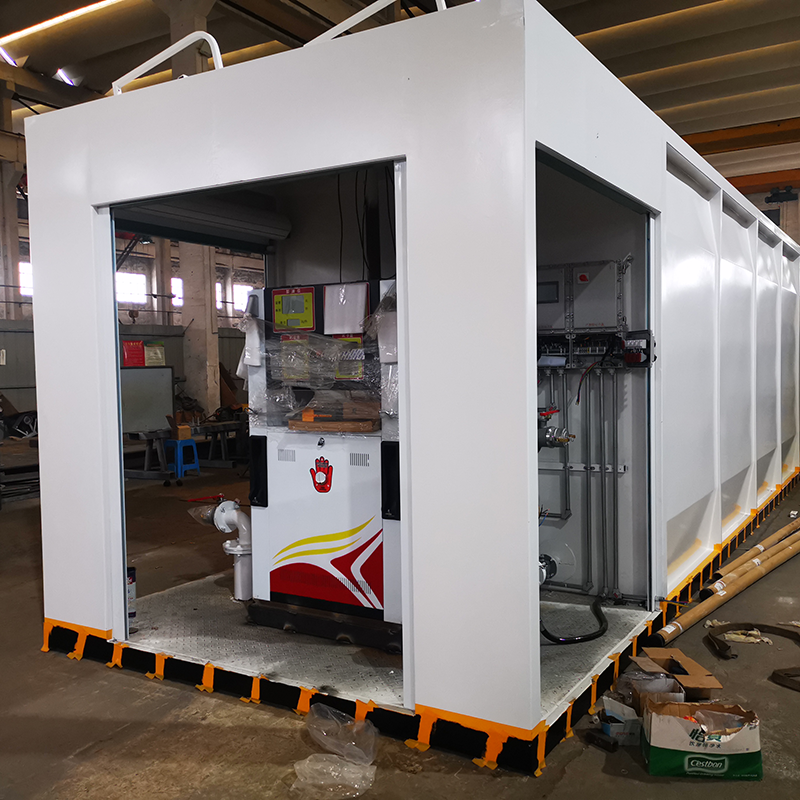


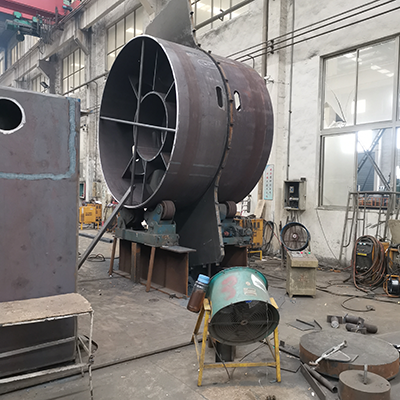
Product Specifications
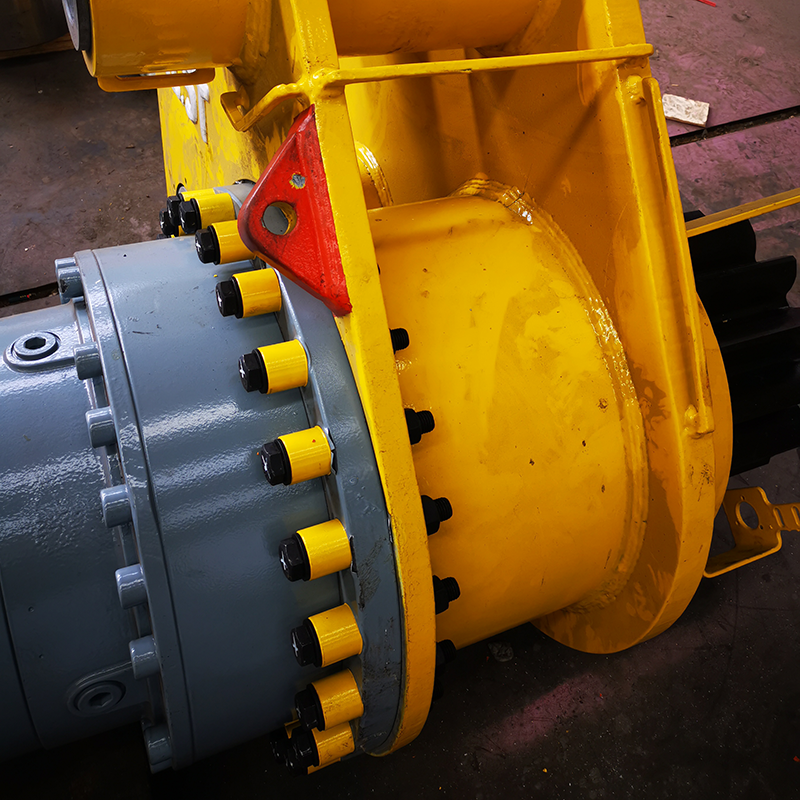
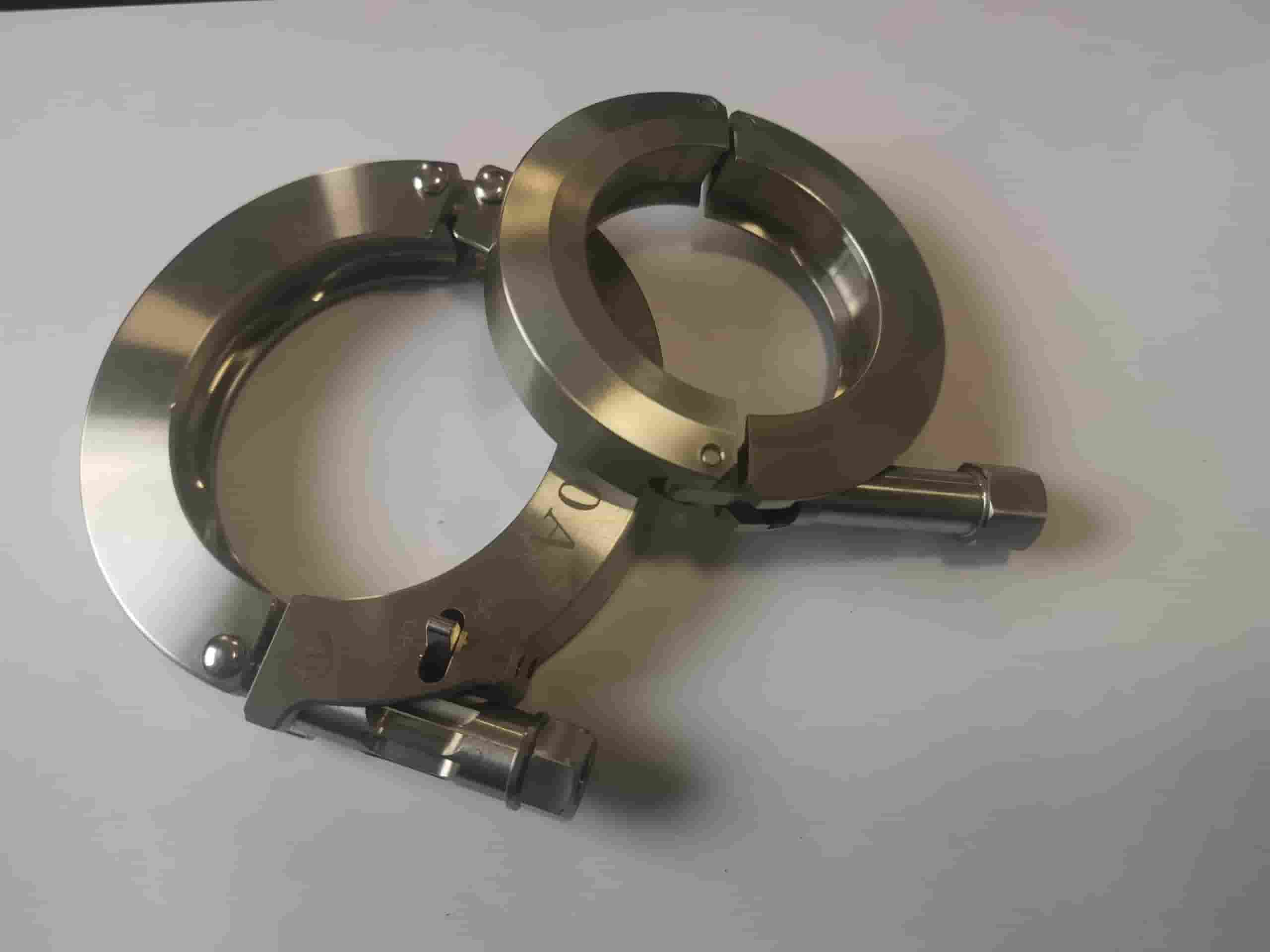
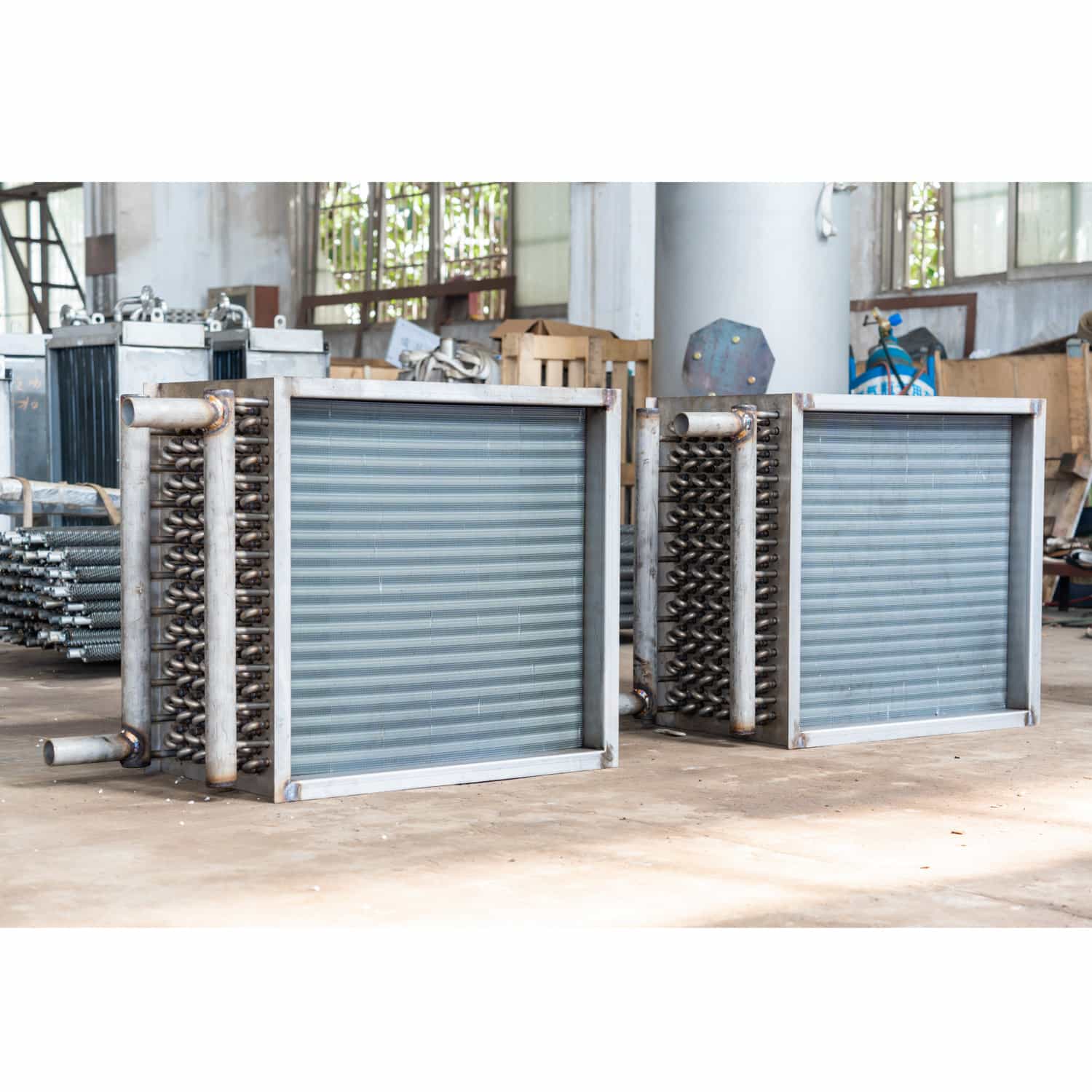
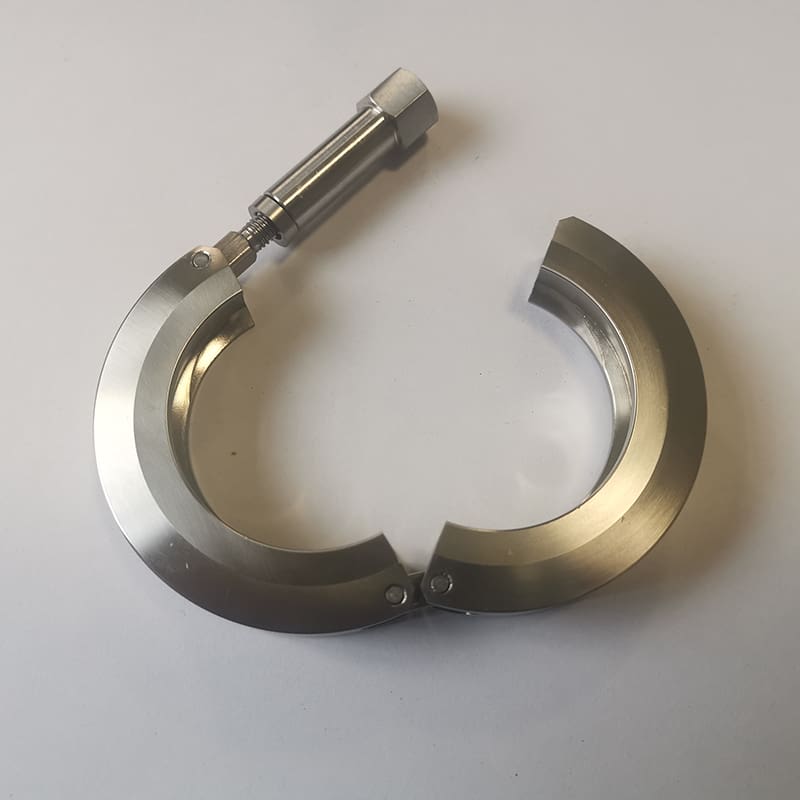
Material: High wear-resistant steel, synthetic materials
Surface coating type: Anti-corrosion coating
Tolerance range: According to international standards
Processing method: Precision casting and machining
Quality inspection: ISO 9001 quality management system certification
Screening refers to the process of particle classification by passing materials through a certain size of sieve holes on the screen surface (screen, screen plate, rod). Screening is the most widely used material separation method at this stage, and is used in mineral processing, construction, metallurgy, chemical industry and other fields.
1. Basic concepts:
Overscreen: materials with a particle size larger than the sieve hole size in the screened material and remaining on the screen surface;
Underscreen: materials with a particle size smaller than the sieve hole size in the screened material and passing through the screen surface;
Processing capacity: the amount of material fed to the screen (or per unit screening area) per unit time;
Screening efficiency: the mass of the fine particle level actually obtained through screening accounts for the mass percentage of the part of the material with a particle size smaller than the sieve hole size in the screened material;
2. Common classification:
The commonly used screening equipment mainly includes vibrating screens, fixed screens, roller screens, etc.
1. A fixed screen is a screening machine with a fixed and stationary screen surface. It is placed at an angle and the material is tilted towards the high end. Without any external force, it uses the weight of the ore to pass through the sieve holes and is divided into two particle size levels: the undersize material smaller than the sieve hole and the undersize material larger than the sieve hole. The screening efficiency of fixed screens is relatively low, and they are prone to clogging when dealing with high viscous water content. They require high labor intensity during operation. However, due to their simple structure, easy manufacturing, no power required, and low cost, they are widely used in crushing operations. They can be divided into grid screens and bar screens (bar screens). Grid screens are mostly used in the upper part of raw ore receiving bins and coarse crushing ore bins, mainly to control ore particle size; Bar screen: commonly used for pre screening before coarse and medium crushing.
2. The screen surface of a roller screen is composed of many parallel arranged rollers with screen discs arranged alternately on them. The gap between adjacent rollers and discs is the sieve hole of this type of screen. The roller rotates through sprocket or gear transmission, and its rotation direction is the same as the direction of material flow. Roller screen is often used for screening coarse materials, suitable for screening soft and medium hard materials. Its advantage is not blocking the screen, but its disadvantage is heavy equipment, low screening efficiency, and fast roller wear.
3. The commonly used mining vibrating screens are not a specific type of screening equipment, but a type that typically includes inertial vibrating screens, self centering vibrating screens, eccentric vibrating screens, heavy-duty vibrating screens, circular vibrating screens, linear vibrating screens, etc. Below, we will focus on comparing the characteristics of these types of vibrating screens.
The inertial vibrating screen vibrator is installed on the screen box. As the screen box vibrates up and down, the instability of the ore feeding rate will affect the screening efficiency, and the processing capacity is small, making it suitable for medium to fine classification.
2. Self centering vibrating screen (single axis vibrating screen) When the self centering vibrating screen is working, the screen vibrates at high speed, but the spatial position of the groove pulley remains unchanged, so it is called a self centering vibrating screen. It works on the same principle as a pure inertial vibrating screen, but the pulley and transmission shaft are concentric in structure. During operation, the center of the pulley remains stationary, and the motor runs smoothly. The advantages are simple structure, easy manufacturing, strong screen surface vibration, and high screening efficiency; The disadvantage is that it causes significant vibration to the building and requires less processing capacity. Suitable for medium to fine grading.
There are two types of screen surfaces for self centering vibrating screens: one layer and two layers. There are also two installation methods: suspension and seat. The suspension type is suspended by springs on the beam, while the seat type is based on the spring seat. Currently, the suspension type is widely used.
Eccentric vibrating screen is a type of screen that vibrates by relying on the high-speed rotation of the eccentric transmission shaft, hence it is called an eccentric vibrating screen. Its eccentric axis directly drives the sieve frame to perform a trajectory motion in the vertical plane with an amplitude equivalent to twice the eccentricity. The sieve hole size can reach 100-250mm and is commonly used in the pre screening stage or the first screening stage of sand and gravel materials. It is now rarely used and mostly uses inertial vibrating screens. The advantage is that the structure is sturdy, the amplitude remains unchanged when the feeding amount changes, the vibration intensity is large and constant, and it is not suitable to block the sieve holes; The disadvantage is that the bearing structure is complex, with large inertia, and incomplete balance during operation can easily cause simultaneous vibration of buildings.
4 heavy-duty vibrating screens
Suitable for screening large and dense ores, with higher screening efficiency than fixed screens, but with high equipment investment, suitable for large block classification.
5-round vibrating screen
A vibrating screen with a circular trajectory, with a tilted screen surface arrangement. Materials stuck in the screen holes can jump out, and the screen surface is not easy to block, suitable for large, medium and fine grading.
6 Linear vibrating screen
The screen surface is horizontally installed, with a straight motion trajectory. The screen surface is large, with strong amplitude, high screening efficiency, and a large processing capacity per machine; But the structure is complex, expensive, has high energy, and amplitude adjustment is difficult. Suitable for screening coarse, medium, and fine aggregates, it can also be used as dehydration and desliming equipment in wet production.
Contact Information for Screening Accessories Inquiries
For more information about Screening Accessories or to obtain customized solutions, please contact us:
- Contact Person: Frank
- Tel: 86-510-82305188-8060
- Mobile: 86-18605101203
- Mail: [email protected]
- Address: 15-16F, Building A10, No. 777, JianZhu West Road, Binhu District, Wuxi, Jiangsu, 214072. P.R. China
We look forward to collaborating with you and providing robust support and services for your business.