

Roller conveyor (also called roller conveyor or roller conveyor) is a continuous conveying machine, which is mainly used to complete the conveying of finished goods and has a long history of application in modern production. In the second half of the 20th century, all walks of life have developed by leaps and bounds, and the degree of mechanization and automation of production has been continuously improved. In particular, the widespread use of continuous production lines has injected new vitality into the widespread application and development of roller conveyors.
In the transportation of finished goods, roller conveyors are the most commonly used conveying machinery. They are not only simple in structure and easy to maintain, but also flexible in layout and reliable in operation. The equipment investment is also less than that of other finished goods conveyors. At the same time, it can be used alone or in conjunction with other conveying machinery systems, so it has a wide range of applications and strong adaptability. In the past two decades, due to the booming development of industries such as home appliances, various production lines and assembly lines composed of roller conveyors have emerged. Therefore, roller conveyors are widely used in production lines in the fields of machinery manufacturing, automobile manufacturing, home appliance manufacturing, food and beverage industry, and postal and telecommunications departments to complete various process operations such as processing, assembly testing, packaging, storage, transportation, and sorting.
Due to the application of new technologies and new materials, as well as the clever use of various supporting auxiliary mechanisms, the functions of roller conveyors have been greatly extended and developed. The operating characteristics of modern roller conveyors are as follows:
1) It has many kinds of conveying performance, such as straight-line conveying, right-angle transfer, curve conveying, and gravity conveying.
2) The height difference caused by process and equipment requirements can be supplemented by a lifting platform to integrate the production line; the production lines on different floors can also be integrated by a hoist, thus forming a three-dimensional production line.
3) During the operation, the workpiece can be controlled to pause in order to complete the processing of a certain process or wait for the next process, and it can also be stored and released at a fixed distance.
4) The roller conveyor can be rotated or reversed horizontally to correct the workpiece required by a certain process.
The new roller conveyor is a new type of roller conveyor developed based on the basic theory of three-phase AC linear motors. The new roller conveyor is mainly used to transport heavy objects such as strips and blocks. It is a kind of transportation equipment with rollers as both traction mechanism and load-bearing mechanism. Roller conveyors are widely used in hot-rolled and hot-cast steel billets, rolled steel pipes, steel plates and profiles in the metallurgical industry, flat glass, wood and plates in the building materials industry, airport baggage transportation lines in the logistics industry, and mechanical equipment assembly lines such as engines, gearboxes, reducers and motorcycles in the machinery industry.
There are literature reports on the research and application of roller conveyors and the development and application of linear induction motors in China. Among them, there are also reports on the specific application of linear induction motors in conveyors. Related reports are as follows:
Design and application of arc-shaped power roller conveyors, types and selection of roller conveyors, telescopic roller conveyors, turntable roller conveyors, multi-channel right-angle turning roller conveyors, linear motor-driven plate conveyors, direct-drive belt conveyors, etc.
1、 Introduction to conveyor drum
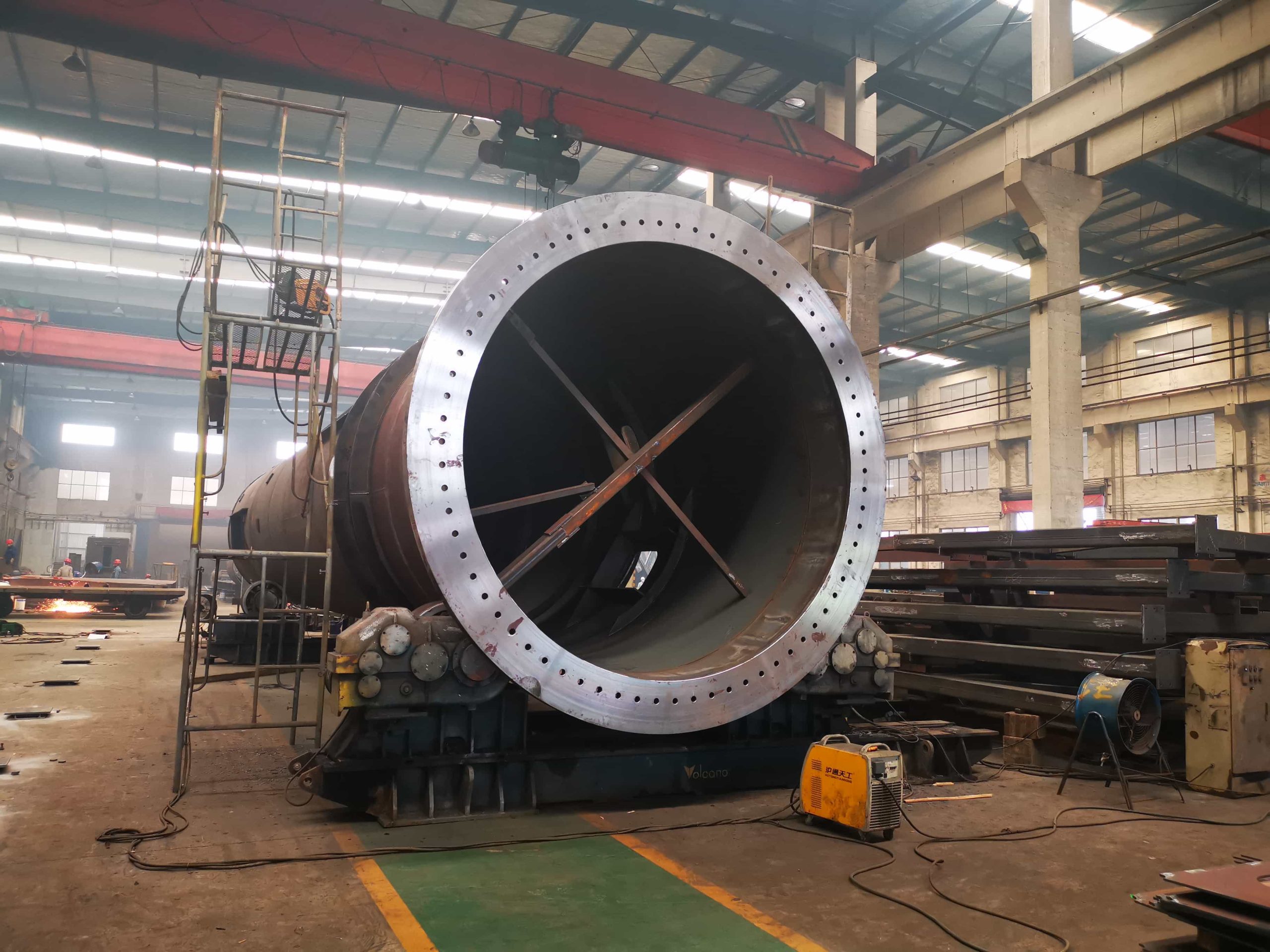
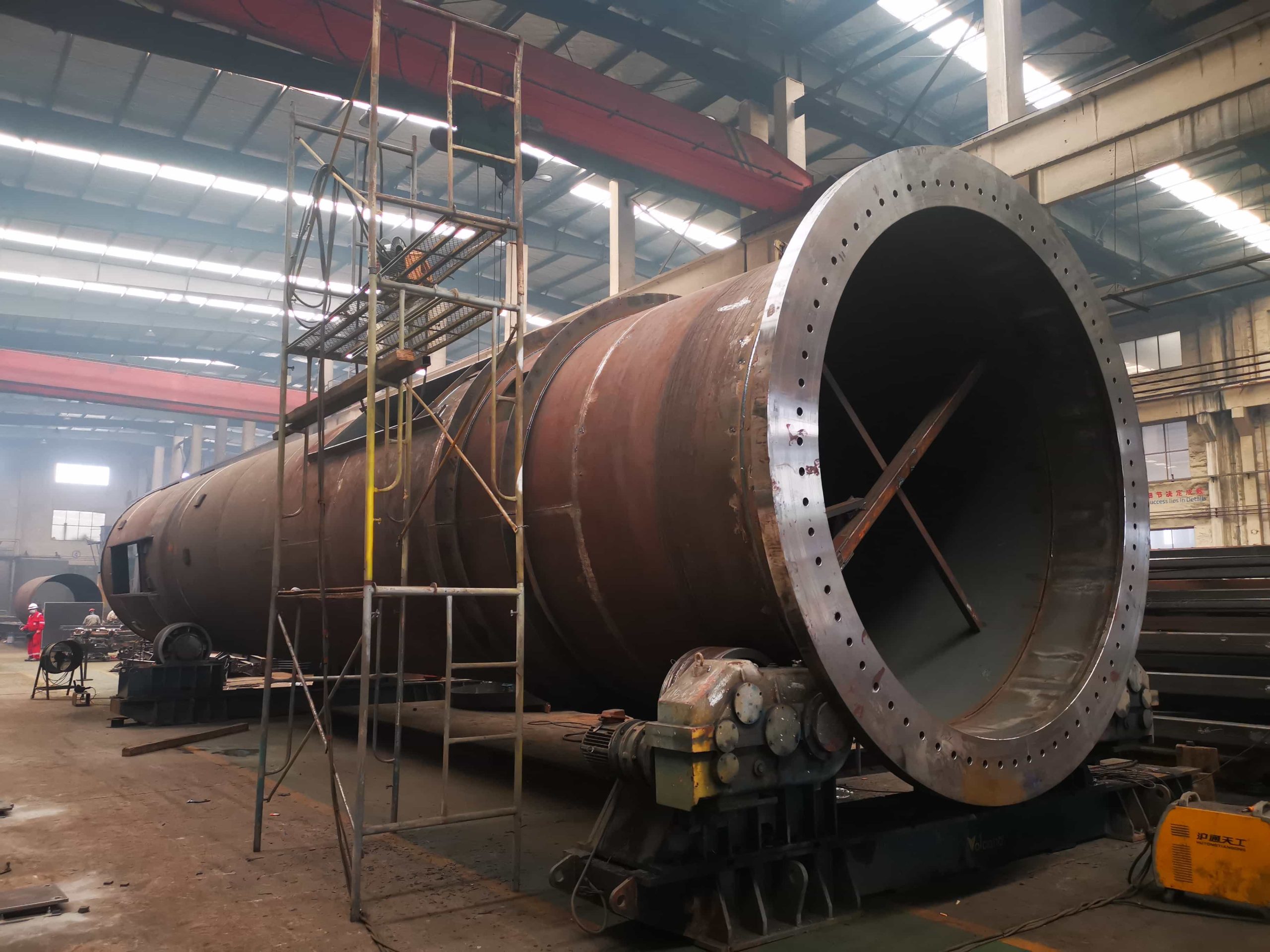
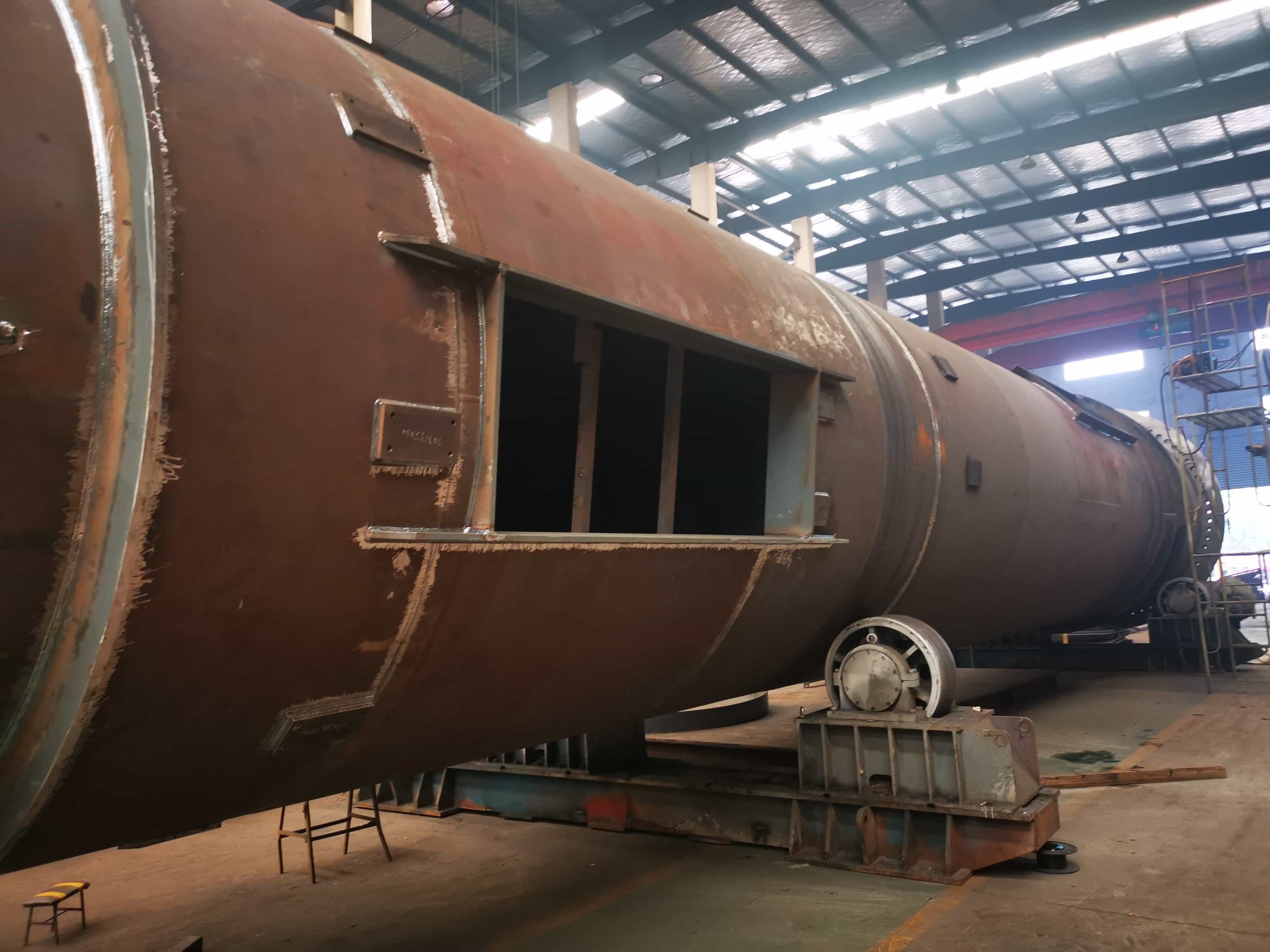
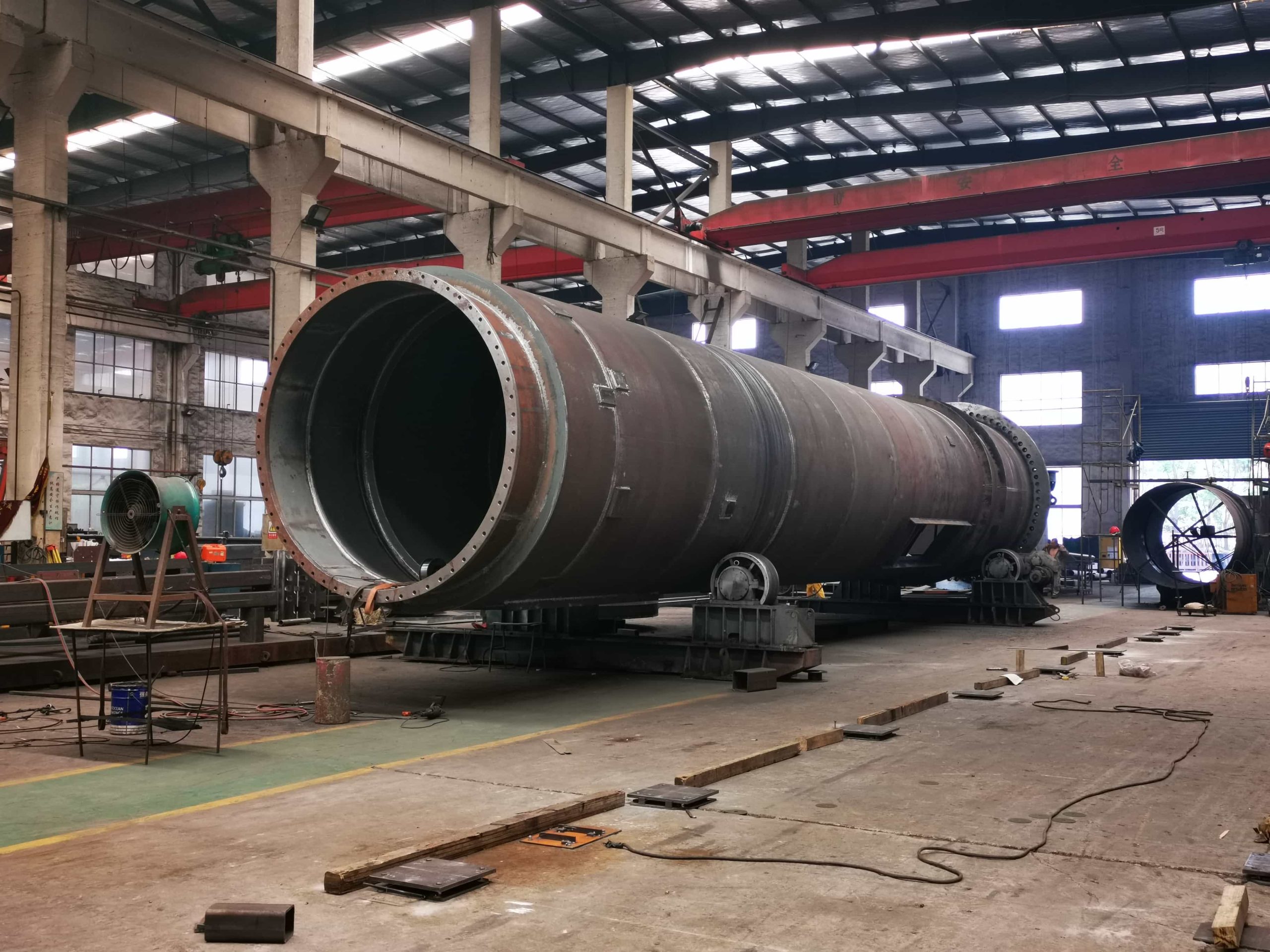
Conveyor drums are generally composed of unpowered drums, powered conveyor drums, and electric drums, and are often paired with other conveying equipment to form a conveying system for transporting goods.
The overall structure is simple, the conveying is stable, the reliability is high, and the operation and maintenance are very convenient. It can achieve the function of connecting or diverting complex and high load objects into multiple sections.
2、 Types and practical applications of conveyor drums
1. Non powered conveyor drum
(1) The unpowered conveying drum is the simplest and most widely used conveying method. The drum operates in a passive state, mainly relying on gravity or manual loading and unloading to achieve displacement and transportation of goods.
(2) Layout method: ① Usually arranged horizontally or obliquely; ② Can be arranged at the rear end of accelerated cargo transportation to serve as a guide for object loading and unloading; ③ Use as a support roller on the belt conveyor.
(3) Universal unpowered conveyor wheel
Adopting a head and tail plastic bearing end cover design, it can to some extent prevent dust and water, ensure smooth transportation, and reduce noise.
(4) Heavy duty unpowered conveyor wheel
Adopting a steel stamped bearing end cover design, it is sturdy, durable, with superior load performance and a more comprehensive diameter series. (Not suitable for belt conveyor idlers, tensioning and other positions, as it may cause drum jamming.)
2. Power conveying drum
The power conveying drum is a driven device with a transmission structure, mainly driven by an electric drum or motor for movement. The common transmission methods include “O” groove type, sprocket type, synchronous belt wheel type, and multi wedge belt wheel type.
(1) “O” groove type power conveying drum: It uses a circular belt for transmission and is suitable for light load conveying. (Tensioning friction transmission by circular belt; to avoid wear of the circular belt, adjacent grooves must be in a straight line when arranging the angle of the drum.)
(2) Double chain wheel power conveyor drum: It is driven by gears and chains, and has stable transportation performance, suitable for ultra-high loads.
(3) Synchronous belt wheel type power conveyor drum: used in combination with synchronous wheels and synchronous belts, with no slip and synchronous start stop, can be used for precise positioning of required sections.
(4) Multi wedge belt type power conveyor drum: When used in combination with multi wedge belt wheels, it saves more space and has a certain noise reduction ability compared to chain wheel drums. It has good anti slip effect and is suitable for medium to high loads.
3. Electric drum
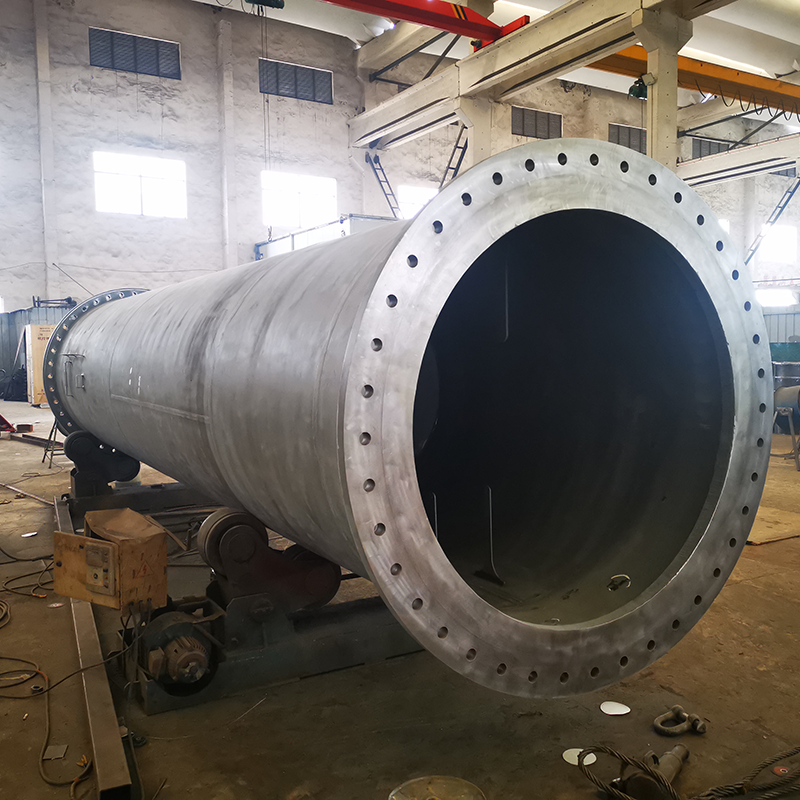
Electric drum is a new type of driving device that places the motor and reducer together inside the drum. Compared with traditional external motor transmission, electric drum saves more space and is more convenient to arrange and install.
(1) Double chain wheel electric drum
(2) Double groove electric drum
(3) Direct drive electric drum
(4) Synchronous belt wheel type electric drum
(5) Usage of electric drum
In the design process, select the corresponding drum transmission method, speed code, and drag quantity requirements based on object load, linear speed, layout spacing, etc. Electric drum and power conveyor drum are usually used in combination according to the transmission type, and function adjustment is achieved through the drive card. It can be used as an active drum in the conveyor belt or as a separate transition in the setting section.
Contact Information for Heavy-Duty Steel Conveyor Drums Inquiries
For more information about Heavy-Duty Steel Conveyor Drums or to obtain customized solutions, please contact us:
- Contact Person: Frank
- Tel: 86-510-82305188-8060
- Mobile: 86-18605101203
- Mail: [email protected]
- Address: 15-16F, Building A10, No. 777, JianZhu West Road, Binhu District, Wuxi, Jiangsu, 214072. P.R. China
We look forward to collaborating with you and providing robust support and services for your business.