
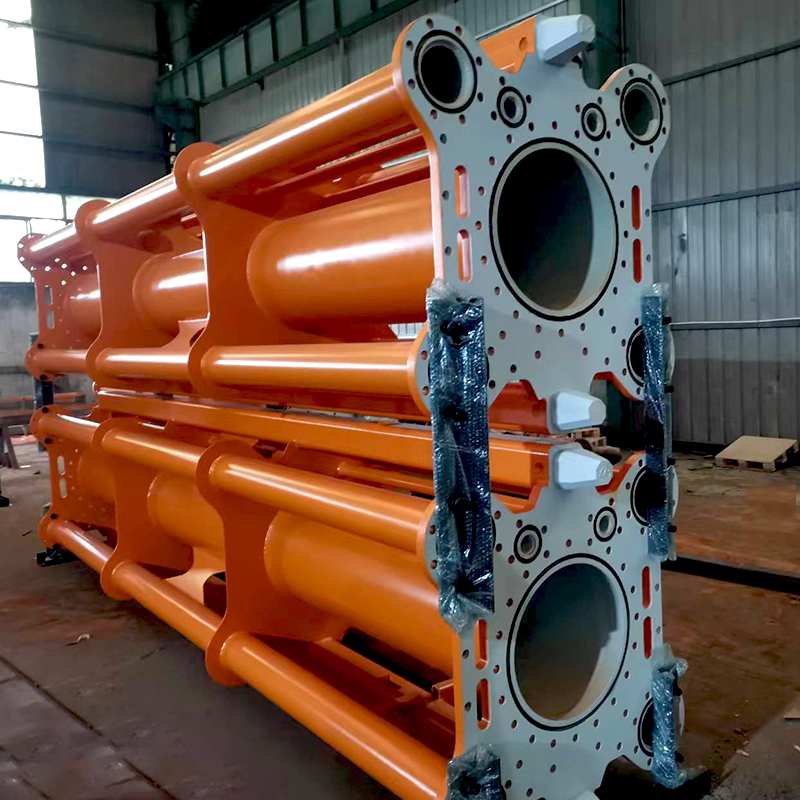
Article Summary: Common materials used for heat exchanger tubes include carbon steel, stainless steel, copper and copper alloys, titanium, duplex stainless steel, and nickel-based alloys. As explained in the Nickel Institute’s technical publication, ‘The Right Metal for Heat Exchanger Tubes’, the correct choice depends on factors such as fluid chemistry, temperature, flow conditions, corrosion risk, maintenance requirements, and total lifecycle cost, rather than simply thermal conductivity or the initial price of the material.
Why Does Heat Exchanger Tube Material Matter?
Heat exchanger tubes transfer thermal energy between two fluids while maintaining a physical barrier between them. In a shell-and-tube heat exchanger, one fluid flows through the tubes while the other passes around their outer surfaces. The material used for the tubes must therefore be able to perform several functions simultaneously: conduct heat, withstand operating pressure and temperature, resist corrosion from the fluids it comes into contact with, and maintain structural integrity over the intended service life. A material that performs well in a clean-water cooler, for example, may fail prematurely in a seawater condenser or an acidic chemical process, even if the equipment geometry is almost identical.
Material selection also affects maintenance frequency, production uptime, energy efficiency, and replacement cost. Corrosion can cause tube leaks and cross-contamination between fluid streams, while erosion, vibration, fouling and thermal cycling can shorten the service life through mechanisms that are unrelated to general corrosion alone. The Nickel Institute’s technical guidance on heat exchanger tubing emphasises the importance of evaluating water quality, operating conditions, maintenance practices and exchanger design together because overlooking one of these factors can lead to unexpected failures.
There is no single best material for all heat exchangers. Carbon steel is often the most economical choice for use with relatively non-corrosive fluids, while stainless steel is used where stronger corrosion resistance is required. Copper alloys combine high thermal conductivity with suitability for certain water and refrigeration applications, and titanium or high-alloy materials are used in more aggressive environments. The engineering goal is to select a material that reliably meets the design requirements at the lowest reasonable lifecycle cost.
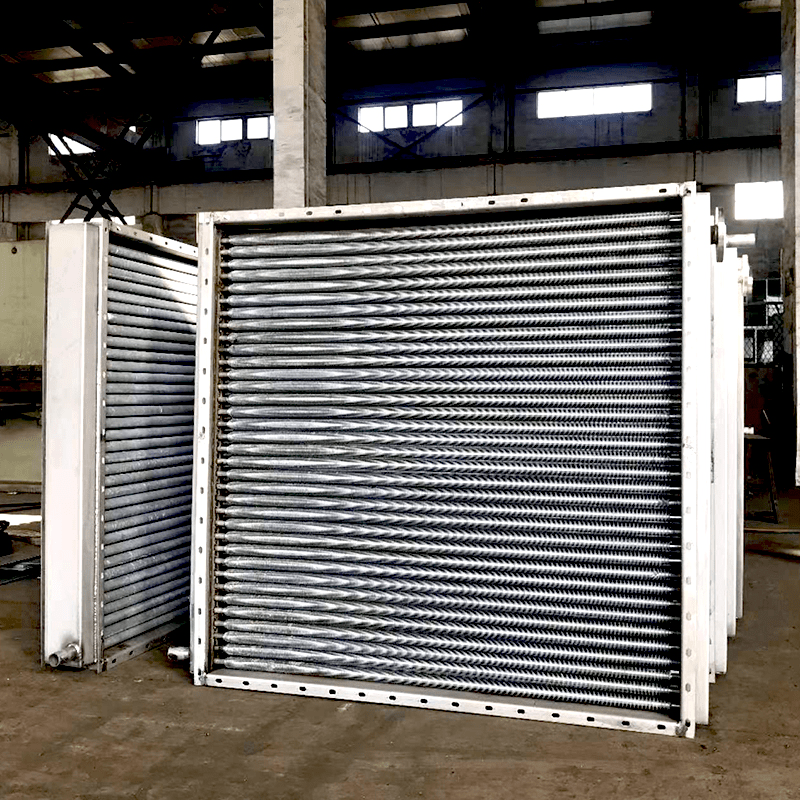
Common Materials Used in Heat Exchanger Tubes
- Carbon steel
Carbon steel is widely used for heat exchanger tubes in applications where cost, mechanical strength, and availability are important, and where the process fluids are not excessively corrosive. It is commonly used in steam systems, feedwater heaters, oil coolers, and industrial equipment that handles treated water or hydrocarbons. Although carbon steel has relatively high thermal conductivity compared with stainless steel, the actual heat transfer performance of an exchanger depends on its complete design, including tube-wall thickness, fluid-side heat transfer coefficients, fouling, and flow arrangement.
Its main limitation is corrosion resistance. Water containing dissolved oxygen, carbon dioxide, salts or other aggressive substances can cause corrosion under certain operating conditions, while unsuitable chemistry may lead to localised attack or deposits. Therefore, material selection may need to account for water treatment, corrosion inhibitors, monitoring and maintenance access. While carbon steel is often a practical option when the service environment is well understood and controlled, it should not simply be selected because it has the lowest initial price.
- Stainless steel
Stainless steel tubes are used in a variety of applications, including chemical processing, food and beverage equipment, pharmaceutical facilities, HVAC systems, and industrial coolers. The chromium in stainless steel forms a thin passive surface layer that helps to resist corrosion, while other alloying elements influence factors such as strength, weldability, and resistance to specific environments. Common tube grades include 304 and 316L, as well as specialised stainless steel grades designed for more demanding service conditions.
Grade 304 is a popular choice for many mildly corrosive environments. Grade 316L contains molybdenum, which generally improves resistance to chloride-related pitting compared to Grade 304. However, neither grade is immune to corrosion in every chloride-containing environment. Duplex stainless steels, such as grade 2205, offer higher strength and improved resistance to various forms of localised corrosion, making them suitable for certain marine, offshore and chemical applications. However, actual suitability must be checked against factors such as temperature, chloride concentration, stress, deposits, and the specific operating chemistry.
- Copper and copper alloys
Copper and copper alloys are used where high thermal conductivity is valuable, including refrigeration equipment, HVAC systems, condensers, and selected marine heat exchangers. Copper tubes can transfer heat efficiently, and alloying elements can improve resistance to particular forms of corrosion or erosion. Common options include copper-nickel alloys and certain brass alloys, with the appropriate choice depending on water chemistry, flow velocity, and the presence of contaminants.
Copper alloys are not interchangeable across all services. Ammonia, sulfides, some pollutants, and unsuitable flow conditions can create problems for particular copper-based materials. Seawater applications also require attention to water cleanliness, oxygen content, velocity, and the potential for erosion-corrosion or biofouling. For this reason, copper alloy selection should be based on the actual service environment rather than thermal conductivity alone.
- Titanium
Titanium is often used for heat exchanger tubes that are exposed to seawater, brackish water, chloride-rich streams and certain chemical processes, as it is less susceptible to localised corrosion than common stainless steels. Its strong corrosion resistance in many oxidising chloride environments makes it a popular choice for condensers, desalination systems and marine equipment. Although titanium has a higher initial material cost, its longer potential service life and reduced need for tube replacement may justify evaluating it on a lifecycle basis in demanding services.
However, titanium is not universally resistant to every chemical. Certain reducing acids, fluoride-containing environments, and other specific process conditions can limit its suitability. Designers must also consider fabrication procedures, tube-to-tubesheet joint design, and compatibility with adjacent materials. For a titanium tube bundle to deliver its intended benefits, the complete exchanger must be designed for the service conditions.
- Nickel-based alloys
Nickel-based alloys are used in specialized heat exchangers where aggressive chemicals, elevated temperatures, or demanding combinations of corrosion and mechanical requirements rule out more economical materials. Different alloy families offer different resistance profiles; some are selected for particular acidic media, while others are designed for high-temperature oxidation resistance or chloride-related corrosion challenges. Their use is common in selected chemical processing, petrochemical, power generation, and other demanding industrial applications.
These alloys can be substantially more expensive than carbon steel or conventional stainless steel, so they are generally specified only when the operating environment warrants their performance. Selection should be based on verified corrosion data for the actual process fluid, including concentration, temperature, impurities, and operating changes. The label nickel alloy alone is not enough to establish suitability, because resistance varies considerably between individual grades.
Heat Exchanger Tube Materials Compared
The following table provides a practical overview of the major material families and the conditions that typically influence their selection. These are general guidelines, not fixed service limits: corrosion performance and allowable operating conditions depend on the exact grade, design code, fabrication quality, and fluid chemistry.
| Tube material | Main advantages | Typical applications | Main limitations |
| Carbon steel | Economical, strong, widely available, relatively high thermal conductivity | Steam, feedwater, oil coolers, suitable industrial water systems | Vulnerable to corrosion in unsuitable water and chemical environments |
| Stainless steel 304/316L | Good general corrosion resistance, established fabrication practices | HVAC, food processing, chemical equipment, industrial coolers | Chloride pitting and stress corrosion cracking may occur under certain conditions |
| Duplex stainless steel | Higher strength and improved resistance to several localized corrosion mechanisms | Offshore systems, selected seawater duties, chemical processing | Requires suitable welding and fabrication controls |
| Copper and copper alloys | High thermal conductivity; useful for selected water and refrigeration duties | Condensers, refrigeration, HVAC, some marine systems | Susceptible to specific chemical attack and erosion-corrosion conditions |
| Titanium | Excellent resistance in many seawater and chloride environments | Desalination, marine condensers, selected corrosive services | Higher initial cost; unsuitable for some chemical environments |
| Nickel-based alloys | Specialized resistance to aggressive chemicals and high-temperature conditions | Chemical processing, petrochemical plants, demanding industrial service | High cost and grade-specific fabrication requirements |
How to Choose the Right Heat Exchanger Tube Material?
A reliable selection process starts with the fluids and the conditions under which the exchanger will operate. Choosing a material based only on a familiar grade or supplier recommendation can overlook the factors that determine whether the tubes will survive their intended service life. The following steps help engineers and purchasing teams define a more complete specification.
- Identify both fluid environments. Record the composition, concentration, pH where relevant, chloride content, dissolved gases, suspended solids, and potential contaminants for both tube-side and shell-side fluids. A tube is exposed to both environments, so evaluating only the fluid inside it can leave a major corrosion risk unaddressed.
- Define the operating and design conditions. Establish normal and maximum temperatures, design pressure, flow velocity, startup and shutdown conditions, and expected thermal cycling. Localized overheating, high flow velocity, vibration, or repeated temperature changes can affect material performance even when the bulk fluid chemistry appears acceptable.
- Assess corrosion, erosion, and fouling risks. Determine whether the service may produce pitting, crevice corrosion, stress corrosion cracking, erosion-corrosion, deposits, or biological fouling. These mechanisms can interact, and the material that best resists uniform corrosion may not necessarily be the best choice for every other failure mode.
- Review heat transfer and mechanical design together. Thermal conductivity matters, but it does not determine exchanger performance on its own. Tube diameter, wall thickness, fluid velocity, fouling resistance, and total heat transfer area all influence performance, while pressure calculations and applicable codes establish the required mechanical integrity.
- Confirm fabrication and standards. Specify the applicable tube material standard, dimensions, tolerances, delivery condition, testing, and documentation requirements. The Tubular Exchanger Manufacturers Association (TEMA) publishes design and construction standards for shell-and-tube heat exchangers, and its current edition should be checked alongside the relevant pressure-vessel code and project specification.
- Compare lifecycle costs. Evaluate material purchase price, fabrication, inspection, cleaning, replacement, downtime, and expected service life. A more expensive alloy may offer better overall value when tube replacement is difficult or an unexpected shutdown would be costly, while a simpler material may be entirely adequate for a well-controlled service.

Why Standards and Quality Control Matter?
Heat exchanger tubes must satisfy the specified requirements relating to their material, dimensions, manufacturing process, and intended use. Depending on the material and application, the relevant specifications may include American Society for Testing and Materials (ASTM) standards for carbon steel, stainless steel, copper alloys, or titanium tubes. It is important to note that similar-looking tubes can differ in terms of their chemical composition, mechanical properties, manufacturing requirements, and inspection criteria.
Before accepting a shipment, purchasers should verify the grade, outside diameter, wall thickness, length, dimensional tolerances, and required test documentation. For critical applications, inspection may include chemical analysis, mechanical testing, non-destructive examination, and pressure or leak testing, as required by the governing specification. Material test reports and heat or batch traceability also help to confirm that the supplied tubes match the approved design.
Quality control must extend beyond the tube itself. Tube-to-tubesheet joints, supporting components, baffles and other wetted parts must be compatible with each other and the operating environment. Differences in material behaviour or electrical potential can contribute to galvanic corrosion under suitable conditions, while poor joint design can create risks of leakage or crevice corrosion. Therefore, a reliable exchanger depends on a coordinated materials and fabrication strategy, rather than just the purchase of a corrosion-resistant tube grade.
Frequently Asked Questions About Heat Exchanger Tubes
- What is the most common material for heat exchanger tubes?
Carbon steel is widely used in suitable non-corrosive or controlled industrial services because it is economical and readily available. Stainless steel, copper alloys, titanium, and nickel-based alloys are selected when the service conditions require different corrosion or performance characteristics.
- Which material is best for heat exchanger tubes?
There is no single best material for every heat exchanger because fluid chemistry, temperature, pressure, flow conditions, and maintenance requirements differ. The correct choice is the material that meets the design requirements and provides acceptable lifecycle cost for the specific service.
- Are stainless steel tubes suitable for seawater heat exchangers?
Some stainless steels can be vulnerable to pitting and crevice corrosion in seawater, especially under unfavorable temperature and operating conditions. Duplex grades, titanium, or copper-nickel alloys may be considered depending on the design, but suitability must be verified for the actual water chemistry and flow conditions.
- Why is titanium used in heat exchanger tubes?
Titanium offers excellent resistance to corrosion in many seawater and chloride-rich environments, making it useful in selected marine and desalination applications. Its higher initial cost means it is generally evaluated where its corrosion performance can justify the investment.
- Does higher thermal conductivity always mean better heat exchanger performance?
No, because overall heat transfer depends on fluid-side heat transfer, tube-wall resistance, fouling, geometry, and operating conditions, as well as material conductivity. A highly conductive tube may not deliver better long-term performance if it corrodes rapidly or accumulates deposits.
- How do I select the correct heat exchanger tube specification?
Start by defining the process fluids, temperature, pressure, corrosion risks, dimensions, and applicable design code. Then confirm the exact material grade, manufacturing standard, inspection requirements, and traceability documents with the responsible engineer and supplier.
Conclusion
Common materials used for heat exchanger tubes include carbon steel, stainless steel, copper alloys, titanium, duplex stainless steel, and nickel-based alloys. Each material offers a different combination of thermal conductivity, corrosion resistance, mechanical properties, cost, and fabrication requirements, so the selection must reflect the specific process environment rather than relying on a generic ranking of materials.
The most reliable approach for industrial buyers and engineers is to evaluate both fluid streams, define the operating envelope, identify credible failure mechanisms, and verify applicable standards before placing an order. Taking fabrication quality, maintenance access, and lifecycle cost into account at the same time helps to reduce the risk of premature tube failure and ensures dependable heat exchanger performance.