


Article Summary:
Understanding the distinction between a jib arm and a crane arm is crucial to both engineers and buyers of equipment, project managers, and operators involved in material handling, lifting, and planning regarding construction.
Technical standards and historical references from the American Society of Mechanical Engineers (ASME), the ISO standard for lifting equipment, and classical crane design references like Shapiro & Shapiro’s Crane Engineering Handbook, jib arms, and crane arms have a distinct mechanical, operational, and structural role despite the frequent confusion in practical applications.
This article discusses the unique, industry-specific design of jib arms relative to crane arms in terms of their load behavior, motion range, environmental compatibility, safety standards, and practical applications in the real world.
Introduction: Why the Distinction Between Jib Arm and Crane Arm Matters?
In industrial lift systems that are precision-oriented, the term precision is not dependent on semantics; instead, it directly affects the selection of equipment, safety compliance, efficiency of operation, and cost control.
The words jib arm and crane arm are often used synonymously in everyday talk or promotional materials; however, from a technical and regulatory perspective, they describe different structural ideas and functional purposes.
This confusion is particularly problematic in environments like manufacturing plants, shipyards, storage facilities, and construction sites, where incorrect assumptions about capacity for loads, range of motion, or structural support can lead to inefficiencies or safety concerns.
Understanding the distinction between a jib and a crane is crucial to both designers and suppliers, as well as end users who are responsible for the daily operations of lifting.
What Is a Crane Arm? A Structural and Functional Definition
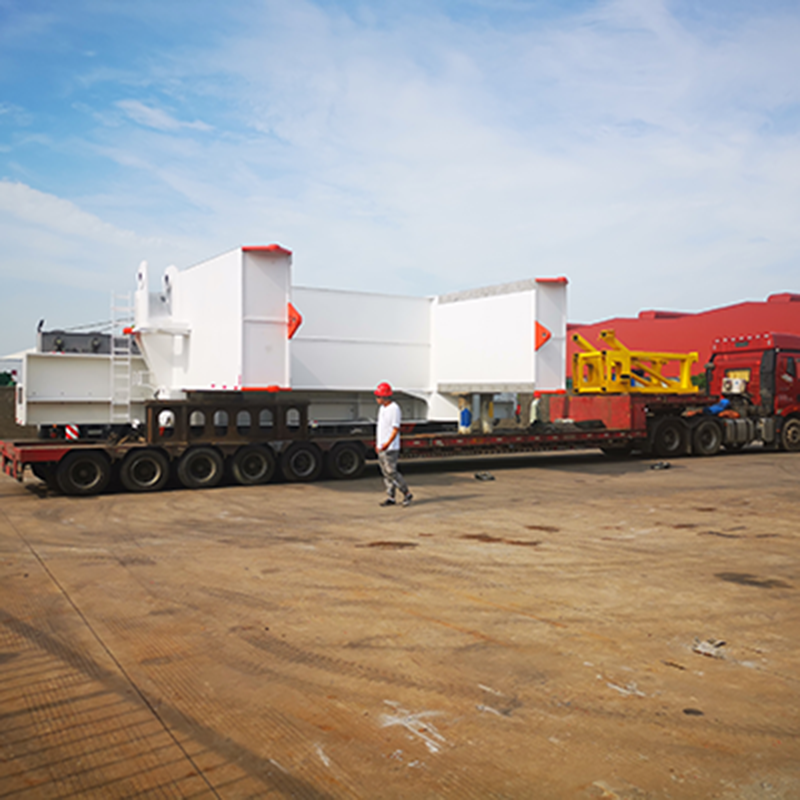
A crane arm is an extra component of a crane system that is intended to carry, support, and move objects across a particular operational range. Structurally, the crane’s arm functions as the primary component of leverage that transfers the force of the load to the crane’s supporting structure; this structure can be a tower, mobile platform, gantry frame, or over-the-ground runway.
From a mechanical perspective, a crane arm is considered to be part of a complete crane system; this means that it cannot function on its own. It’s intended alongside hoists, trolleys, counterweights, control systems, and foundations in order to fulfill specific lifting categories that are defined by international regulations.
Structural Characteristics of a Crane Arm
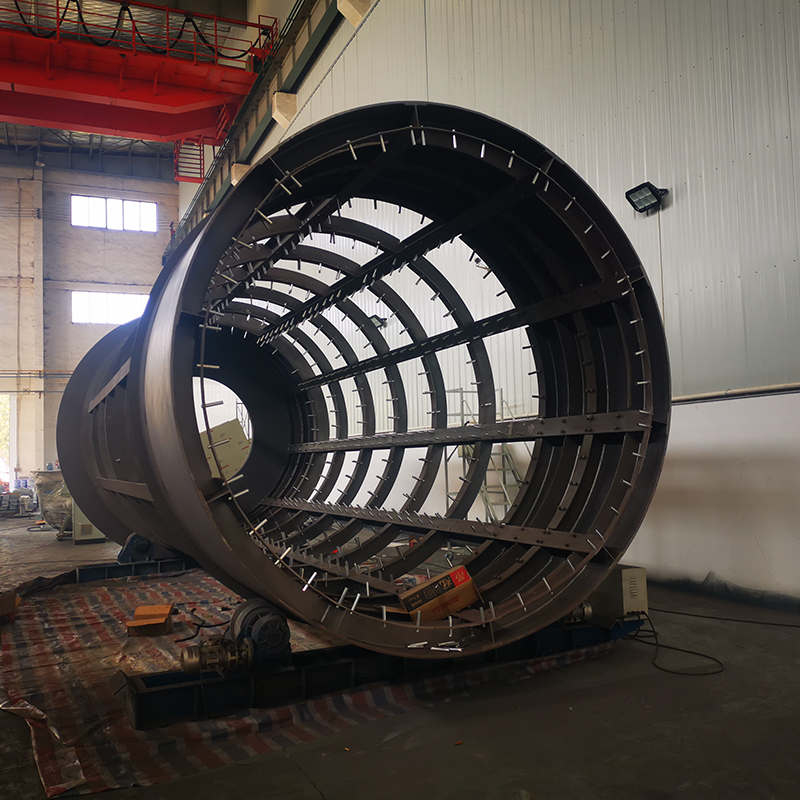
A crane arm is typically constructed as either a boom or a girder, depending on the type of crane. Tower cranes utilize lattice or telescopic supports, while overhead and gantry cranes utilize boxes or I-beam struts.
In all instances, the crane arm must have the capacity to withstand intricate force interactions that include moments of flexion, shear forces, torsions, and dynamic pressure caused by acceleration and deceleration.
The selection of material for the crane’s arms is primarily based on the strength of the steel, its fatigue resistance, and the integrity of the weld. The arm’s design is specifically optimized to reduce weight while still providing a maximum amount of load, which will ensure a long lifespan under repetitive use scenarios.
What Is a Jib Arm? Functional Simplicity with Targeted Reach
A jib arm, on the other hand, is a secondary extension that primarily reaches into a directional scope instead of full area. Jib arms are typically connected to fixed structures like columns, walls, or crane stands, and are intended to operate within a limited circle of rotation or arc.
Unlike a crane arm, a jib arm is typically employed as a supplemental solution to lifting; it handles smaller loads or facilitates precise positioning. The design of the cabinet is primarily concerned with efficiency, ease of installation, and the capacity to operate within confined or repetitive work areas.
Structural Characteristics of a Jib Arm
Structurally, jib arms are less complex than crane arms. They typically have a beam that is horizontal or slanted, and a column or bracket that supports them. Load is transferred directly into the structural support, which is critical to the foundation and the stability of the structure.
Jib arms typically have lower stress levels than crane arms because they deal with smaller loads and operate at a slower rate. However, misplacement or underestimation of the moment at the mounting point can lead to safety concerns.
Core Functional Difference: System Role vs Localized Assistance
The primary difference between a jib and a crane is in the way they function. A crane’s arm that carries out the primary function of lifting and transferring loads is called the crane’s primary arm, while an additional arm, called the jib arm, functions as a supplemental arm that improves the reach or efficiency of a particular area.
This distinction is responsible for the greater stringency of the design calculations, certification processes, and monitoring regimes associated with crane arms compared to jib arms.
Load Capacity Comparison Between Jib Arm and Crane Arm
Load capacity is one of the most significant differences between these two components. A crane arm is intended to handle heavier loads that are typically multiple tons in weight; the type of crane affects the weight.
A jib arm, in comparison, typically handles smaller loads, which are typically from a few hundred kilograms to a few tons. Its capacity is limited not only by the beam’s strength, but also by the structural stability of the mounting surface.
Load Capacity and Structural Role Comparison
| Feature | Crane Arm | Jib Arm |
| Typical load range | Medium to extremely heavy | Light to medium |
| Structural role | Primary load-bearing | Secondary/auxiliary |
| System integration | Part of the full crane system | Often standalone |
| Design complexity | High | Moderate |
| Regulatory oversight | Strict | Moderate |
Range of Motion: Coverage vs Precision
A crane arm is designed to cover a wide area, which enables the movement of loads across large regions, both vertically and horizontally. This ability is crucial to applications like construction sites, ports, steel mills, and large manufacturing facilities.
However, a jib arm is primarily designed for precision and lặpition. Its limited rotation—which is often 180°, 270°, or 360°—is sufficient for stations that require materials to be repeatedly moved and placed within a defined circle.
Installation Environment Differences
Crane’s arms are supported by a large infrastructure. Depending on the type of crane, this may involve additional structural support, rails, weights, or a dedicated over-the-ground system. The installation is capital-intensive and necessitates extensive planning, approval from the engineering department, and compliance with the regulations.
Jib arms are simpler to set up. They can be installed on the wall, floor, or column, making them ideal for retrofitting existing facilities or improving efficiency in the workflow without necessitating major structural changes.
Installation and Infrastructure Requirements
| Aspect | Crane Arm | Jib Arm |
| Foundation requirement | Extensive | Moderate |
| Installation time | Long | Short |
| Space requirement | Large operational envelope | Localized |
| Retrofit suitability | Limited | High |
| Mobility | Fixed or mobile crane-dependent | Typically fixed |
Operational Complexity and Control Systems
Crane’s arms function as part of a complex system that involves multiple motors, sensors, switches, and safety components. Operators often need formal education and certification to follow safety rules.
Jib arms are simpler to utilize, frequently utilizing manual rotation or basic mechanical systems. This simplicity decreases the need for training and extra costs associated with operation, particularly in smaller or mid-sized facilities.
Safety Standards and Regulatory Framework
Crane’s arms are subject to extensive international and national regulations because of the dangerous nature of the heavy lifting. Standards like ASME B30, ISO 4301, and EN 13001 describe the classification of loads, the frequency of inspection, and the maximum operational range.
Also, the Jib arms are subject to more stringent regulations, but the majority of the rules are less complex. However, misuse or lack of inspection can still lead to serious dangers, particularly at the interface of mounting.
Applications: Where Crane Arms Excel?
Crane’s arms are vital in environments that require large amounts of lifting and travel, such as:
- Building and infrastructure projects
- Shipping and offshore technology
- Heavier manufacturing and the production of steel
- Logistics and port facilities
Their capacity to transport large amounts across vast areas makes them essential for the macro-level movement of material.
Applications: Where Jib Arms Offer Maximum Value?
Jib arms shine in applications focused on efficiency, ergonomics, and workflow optimization, including:
- Assembly lines
- Machining stations
- Maintenance workshops
- Warehouse picking zones
They reduce operator fatigue and improve throughput by minimizing unnecessary movement.
Cost Considerations and ROI Analysis
From a financial perspective, crane arms are significant expenditures of capital. Their return on investment is justified in environments with high volume and high demand, where the productivity of the initial investment is greater than the initial cost.
Conversely, Jib arms have a higher ROI due to the lower cost of installation and maintenance. Many facilities augment their crane with jib arms that supplement the existing cranes to yield significant increases in efficiency at a low cost.
Maintenance and Lifecycle Differences
Crane arms are subject to stringent inspection protocols, non-destructive testing, and periodic restorations because of the constant exposure to high pressure.
Jib arms typically require less frequent maintenance, but the need to pay attention to the mounting points, bearings, and hoists is still necessary for a safe operation.
Lifecycle and Maintenance Comparison
| Factor | Crane Arm | Jib Arm |
| Maintenance frequency | High | Moderate |
| Inspection complexity | Advanced | Basic to moderate |
| Service life | Long with proper care | Long under controlled loads |
| Downtime impact | High | Low |
Common Misconceptions About Jib Arms and Crane Arms
A common misconception is that a jib arm is simply a ” small crane arm.” However, their design principles, regulations, and operational characteristics are fundamentally different.
Another misconception is that a jib can replace a crane. While jib arms augment the local lifting, they cannot be replaceable for the full range of capabilities and weight of a full crane system.
Choosing Between a Jib Arm and a Crane Arm
The decision depends on:
- Load weight and frequency
- Required movement range
- Facility layout
- Budget and installation constraints
In many cases, the optimal solution involves using both, with crane arms handling primary lifting and jib arms improving localized efficiency.
Future Trends in Crane Arm and Jib Arm Design
Advances in materials, digital technology, and automation are impacting both the development of cranes and jibs.
Lightweight, high-strength steels, smart sensors, and preemptive maintenance are increasingly popular; these components increase the safety and efficiency of lifting solutions.
FAQ: Jib Arm vs Crane Arm
- Is it considered a form of crane arm?
No. A jib arm is a supplemental arm that is used to lift objects, while a crane arm is an intrinsic part of a complete crane system.
- Can ajubilee arm be connected to a crane arm?
Yes, some models have a jib that can extend the reach of a crane, but it is a secondary component.
- Which is more dangerous, a jib-style arm or a crane-style arm?
Both are dependable when properly constructed, placed, and maintained in accordance with the standards.
- Are the Jib arms appropriate for heavier industrial payloads?
They are appropriate for moderate weights, but not for the heavier loads that typically are handled by crane arms.
- Do Jib arms necessitate operator approval?
Requirements are different regionally, but they typically involve less stringent certification than other crane systems.
Conclusion: Understanding the Difference Leads to Better Lifting Solutions
The distinction between a jib and a crane arm is not solely based on the size or cost of the arm, but instead on functions, integration, and purpose. Crane’s arms function as the backbone of large systems that lift things, while jib’s arms serve as a targeted form of efficiency and precision at the workstation level.
For engineers, facility managers, and equipment dealers, recognizing this difference will enable safer designs, more intelligent investments, and more efficient operations. As the evolution of industrial lifting continues, the strategic combination of crane arms and jib arms will still be a foundation of effective material transport systems.