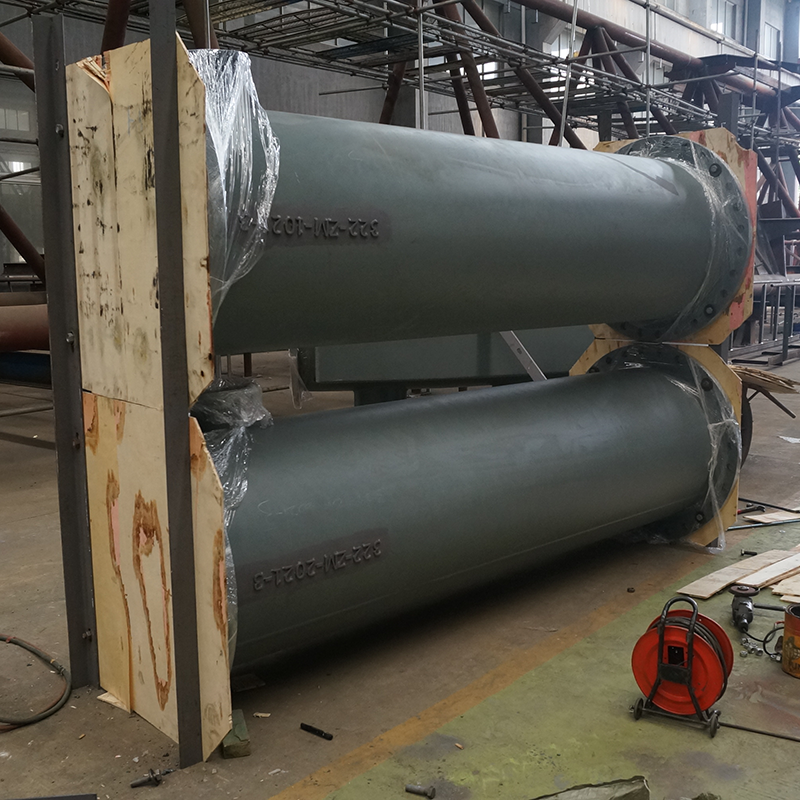
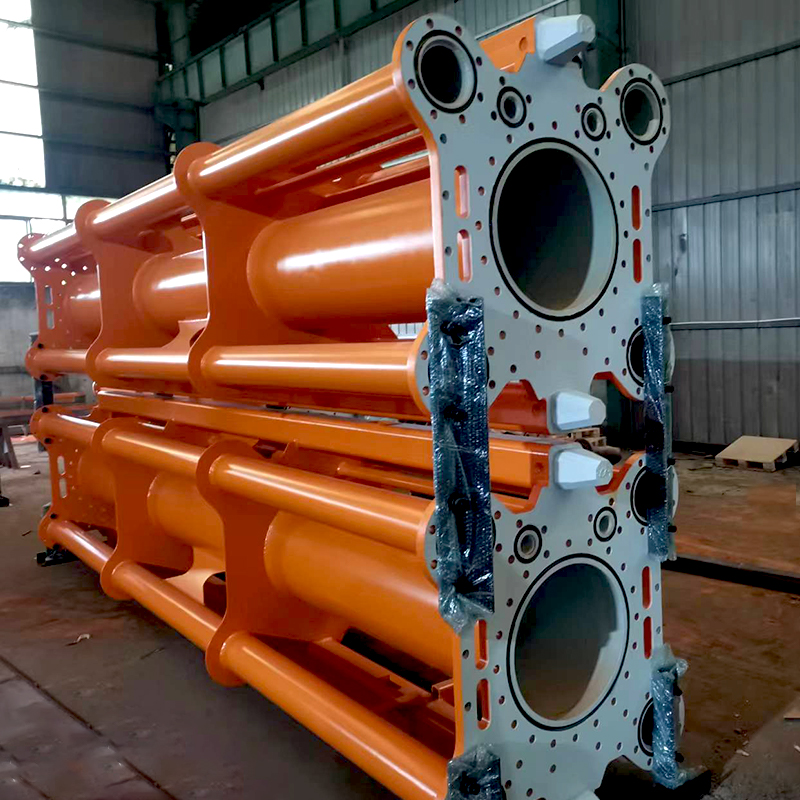
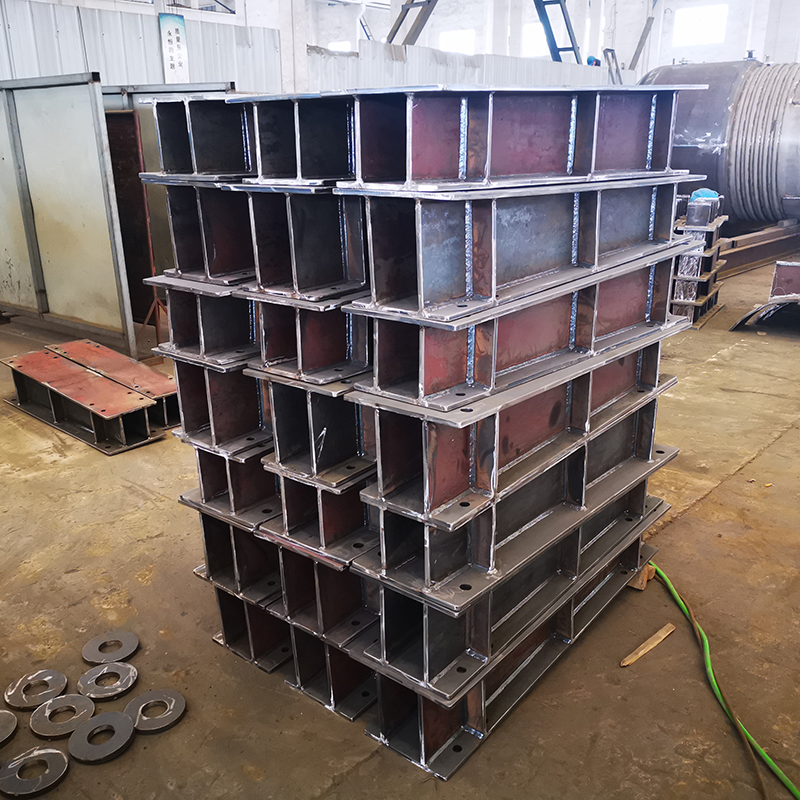

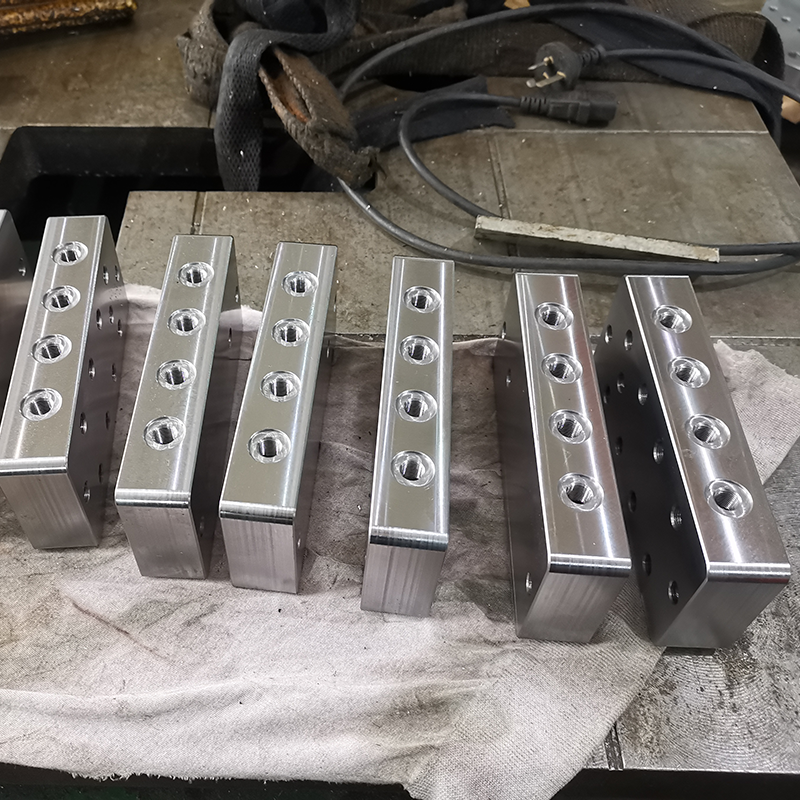
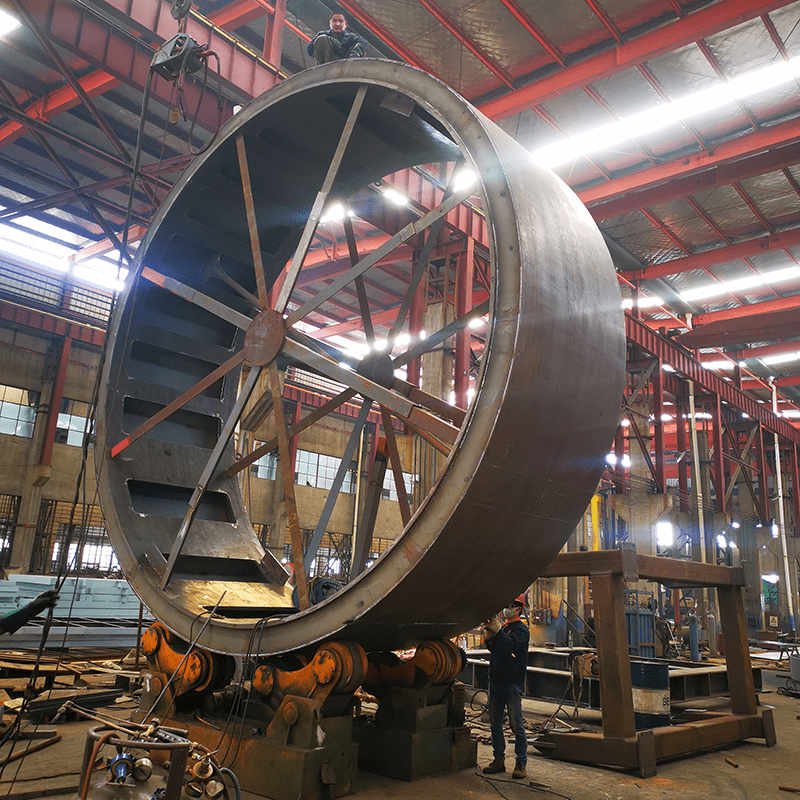
A clamp locking device is a mechanical or hydraulic safety component that is designed to hold, lock, or fix a workpiece or moving structure in place by applying a controlled clamping force. This force is typically applied through mechanical leverage, hydraulic pressure, or spring-loaded mechanisms.
According to the mechanical design principles referenced in Shigley’s ‘Mechanical Engineering Design’ and the industrial machine safety standards (ISO 12100 for machine safety and clamping systems), clamp locking devices operate by converting input force into frictional and mechanical interlocking forces that prevent unintended movement under load.
Modern industrial manufacturers, such as China Machinery Engineering Wuxi Co., Ltd., are continually improving clamp locking systems by incorporating enhanced hydraulic efficiency, anti-loosening structures, wear-resistant materials, and precision locking control for heavy-duty industrial applications.
Why Are Clamp Locking Devices Essential in Modern Industrial Engineering?
Secure positioning and controlled immobilisation are fundamental to safety and operational precision in almost every modern industrial system, whether it be manufacturing machinery, construction equipment, rail systems, marine mechanisms or automation lines. This is where the clamp locking device plays a critical engineering role.
At its core, a clamp locking device is much more than just a ‘fastener’. It is a controlled force transmission system designed to:
- hold components under load
- prevent unintended motion
- stabilise mechanical assemblies
- ensure operational safety
- maintain positional accuracy
- resist vibration and dynamic forces
Modern industrial environments are characterised by:
- higher mechanical loads
- faster operating cycles
- automated production lines
- tighter safety regulations
- more complex motion systems
- integration with hydraulic and pneumatic systems
In such conditions, simple mechanical fastening is insufficient. Instead, engineered clamp locking systems are required to ensure repeatable, reliable, and safe operation.
Clamp locking devices are widely used in:
- machine tool spindles and fixtures
- hydraulic press systems
- railway braking and locking systems
- construction lifting equipment
- marine deck machinery
- injection moulding machines
- industrial automation fixtures
- heavy-duty structural supports
- robotic positioning systems
Clamp locking devices are particularly important because they can convert relatively small input forces into extremely high clamping forces through mechanical advantage, hydraulic amplification, or wedge-based force multiplication.
In advanced industrial systems, clamp locking devices are often integrated into hydraulic power units, pneumatic control systems, servocontrolled automation platforms, safety interlock systems, and precision machining setups.
Manufacturers such as China Machinery Engineering Wuxi Co., Ltd. are increasingly focusing on highperformance clamp locking systems that emphasise stable locking force, fatigue resistance, antislip performance, precision alignment, long service life, corrosion resistance, and hydraulic sealing reliability.
Understanding how clamp locking devices work requires an examination of mechanical structure, friction theory, force distribution, material science, and system-level safety design.
What Is a Clamp Locking Device?
A clamp locking device is a mechanical system that applies force to secure two or more components together and prevent relative motion.
It typically works by:
- applying compressive force;
- generating friction between surfaces;
- using mechanical interlocking geometry; and
- maintaining a locked state without continuous energy input (in many designs).
Core engineering definition
In engineering terms, a clamp locking device is a force amplification and retention mechanism designed to:
Convert input energy (manual, hydraulic, pneumatic, or mechanical) into a sustained holding force that resists external loads and motion.
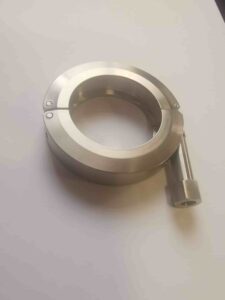
Basic Working Principle of Clamp Locking Devices
Clamp locking devices operate based on three fundamental physical principles:
- Frictional resistance
When two surfaces are pressed together, friction prevents sliding motion.
The friction force depends on the clamping force, the surface material, the surface roughness, and the lubrication conditions.
- Mechanical advantage
Many clamp systems amplify force using levers, wedges, screw mechanisms, toggle joints, and cam systems.
- Energy conversion and lock retention
Once engaged, many clamp devices maintain force without continuous energy input.
This is important for safety systems, power failure protection, and long-term holding applications.
How Do Clamp Locking Devices Work (Step-by-Step)?
Although different designs exist, most clamp locking devices follow a similar operational sequence.
Step 1: Actuation input
The system receives energy from one of the following:
- manual handle
- hydraulic pressure
- pneumatic pressure
- electric motor
- mechanical lever
Step 2: Force amplification
The input force is increased using mechanical structures such as:
- wedges
- toggle links
- screw threads
- cam profiles
Step 3: Contact engagement
The clamping surfaces come into contact with the workpiece or structure.
Step 4: Locking Phase
The system reaches a self-locking state where friction exceeds external forces, movement is restricted, and position is stabilised.
Step 5: Load Resistance
External forces are counteracted by frictional force, structural rigidity, and mechanical interlock.
Types of Clamp Locking Devices
Different industrial applications require different clamp designs.
| Type | Mechanism | Typical Application |
| Mechanical Clamp | Lever/screw force | Workshop fixtures |
| Hydraulic Clamp | Fluid pressure | Machine tools |
| Pneumatic Clamp | Air pressure | Automation lines |
| Wedge Clamp | Angle force multiplication | Heavy machinery |
| Toggle Clamp | Linkage mechanism | Quick locking systems |
Hydraulic Clamp Locking Devices
Hydraulic clamp systems use pressurised oil to generate a high clamping force.
Advantages:
- extremely high force output
- smooth operation
- remote control capability
- automation compatibility
Mechanical clamp locking devices
These rely on manual or screw-based force.
Advantages:
- simple structure
- low cost
- no energy requirement
Pneumatic clamp systems use compressed air for fast operation
Advantages:
- high speed
- automationfriendly
- low maintenance
Key Components of Clamp Locking Devices
A typical clamp locking system includes the following:
- An actuator
Which generates the initial force (e.g., a hydraulic cylinder, lever, or motor).
- Clamping jaw
Directly contacts and holds the workpiece.
- Locking mechanism
Ensures force retention without continuous energy.
- Housing structure
Provides mechanical support and alignment.
- Control system
Manages activation and release in automated systems.
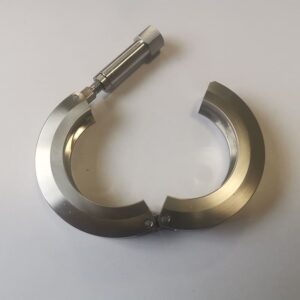
Material Selection in Clamp Locking Devices
Material choice directly affects durability and performance.
| Material | Properties | Applications |
| Carbon Steel | High strength | Heavy machinery |
| Alloy Steel | Wear resistance | Industrial clamps |
| Stainless Steel | Corrosion resistance | Marine environments |
| Aluminum Alloy | Lightweight | Automation systems |
Manufacturers such as CHINA MACHINERY ENGINEERING WUXI CO., LTD. often use heat-treated alloy steels and anticorrosion coatings for long-term industrial reliability.
Where are Clamp Locking Devices used?
Clamp locking systems are widely used in a variety of industries.
- Machine tool industry
Used for: workpiece fixation, precision machining, and spindle locking.
- Construction machinery
Used for:
- lifting systems
- structural locking
- hydraulic supports
- Railway systems
- brake locking
- track fastening
- safety stabilisation
- Marine engineering
- hatch securing
- deck equipment locking
- hydraulic systems
Advantages of Clamp Locking Devices
- High safety performance
Prevents accidental movement under load.
- Strong load-holding capacity
Can withstand significant external forces.
- Precision positioning
Maintains exact mechanical alignment.
- Automation compatibility
Modern systems integrate easily with:
- PLC systems
- robotics
- hydraulic control units
Common Problems in Clamp Locking Systems
- Wear and tear
Repeated use can cause surface degradation and reduced friction efficiency.
- Hydraulic leakage
In hydraulic clamps, seal failure can reduce force.
- Misalignment
Incorrect installation can lead to uneven load distribution.
- Material fatigue
Longterm stress may weaken components.
Maintenance of Clamp Locking Devices
Proper maintenance is essential for safety and optimal performance.
- Regular inspection
Check wear surfaces, hydraulic seals, and mechanical joints.
- Lubrication control
Proper lubrication improves:
- smooth operation
- reduced wear
- Alignment adjustment
Ensures consistent clamping force and uniform contact pressure.
Safety Considerations
Clamp locking devices are often safety-critical components.
- Overload protection
Systems must be designed to withstand dynamic loads, shock loads, and vibration.
- Emergency release
Hydraulic and pneumatic systems may include pressure release valves and manual override systems.
- Redundancy design
High-risk systems often use dual locking mechanisms and backup safety clamps.
Technological Trends in Clamp Locking Devices
Modern clamp systems are evolving rapidly.
- Smart monitoring systems
Sensors detect:
- clamping force
- wear conditions
- hydraulic pressure
- Automation integration
Clamp systems now integrate with robotic arms, CNC machines, and automated assembly lines.
- High-precision engineering
Improved manufacturing tolerances enhance repeatability, stability, and alignment accuracy.
- Lightweight, high-strength materials
Advanced alloys improve the strength-to-weight ratio and corrosion resistance.
FAQ About Clamp Locking Devices
- What is the main purpose of a clamp locking device?
It is used to securely hold or lock components in place by applying controlled clamping force.
- How does a hydraulic clamp locking device work?
It uses hydraulic pressure to generate high clamping force through a piston mechanism.
- Where are clamp locking devices commonly used?
They are used in machine tools, construction equipment, railway systems, and industrial automation.
- What causes clamp failure?
Common causes include wear, misalignment, hydraulic leakage, and material fatigue.
- Are clamp locking devices safe for heavy loads?
Yes, when properly designed and maintained, they are widely used in heavy-duty applications.
- What materials are used in clamp locking devices?
Common materials include alloy steel, carbon steel, stainless steel, and aluminum alloys.
Conclusion
A clamp locking device is a vital mechanical system for safety and positioning that converts input force into controlled, high-strength clamping action using friction, mechanical advantage, or hydraulic pressure. These devices play a vital role in modern industrial engineering, ensuring secure fixation, precise alignment and reliable load holding across a variety of applications, including machine tools, construction equipment, railway systems, marine machinery and automated production lines.
As industrial systems become increasingly automated and safety-critical, the demand for advanced clamp locking technologies is growing. Manufacturers such as China Machinery Engineering Wuxi Co., Ltd. are driving innovation in this field by developing highperformance clamp systems that are more durable, compatible with automation, resistant to corrosion, and easier to control with greater precision. Clamp locking devices are thus indispensable components in modern engineering, ensuring industrial operations remain safe, stable, and efficient under increasingly demanding working conditions.