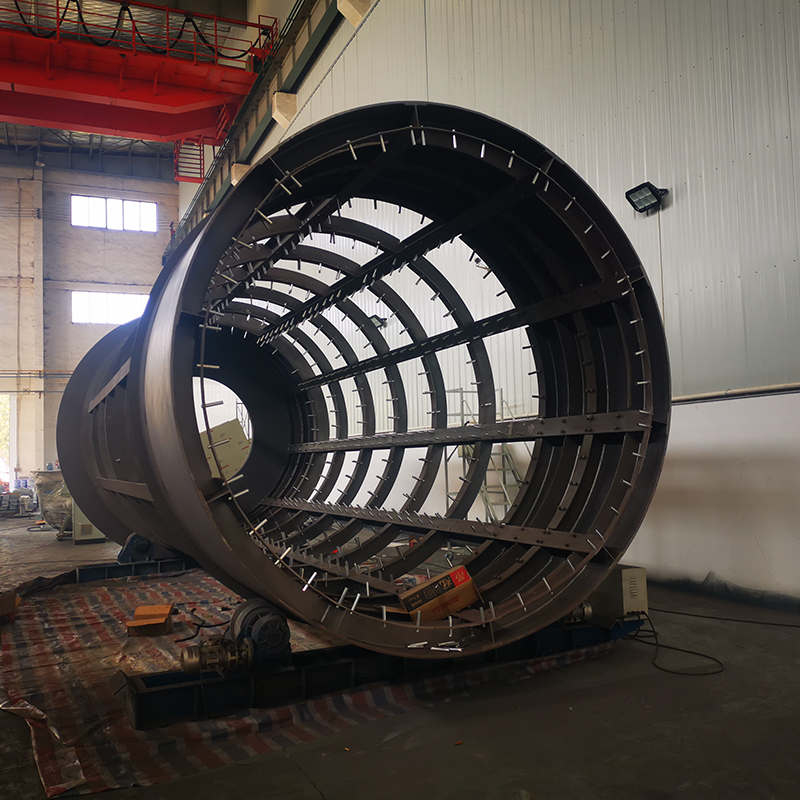
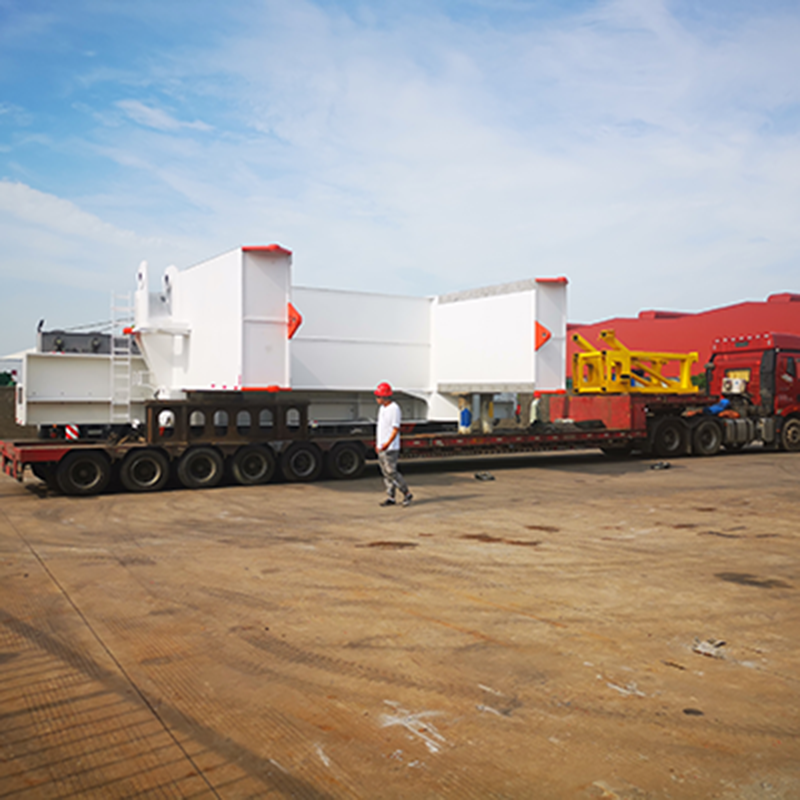

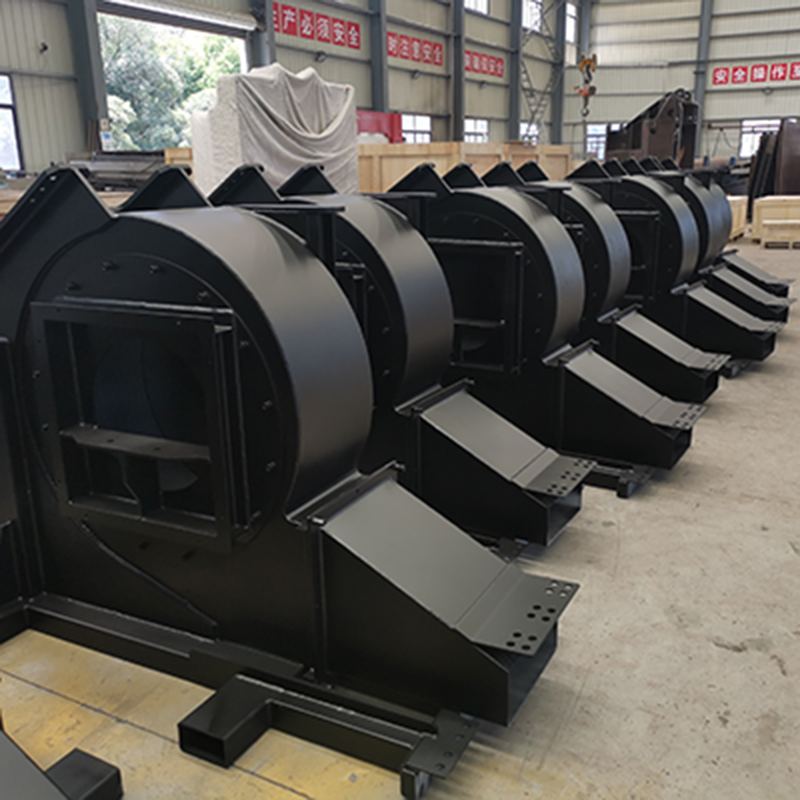
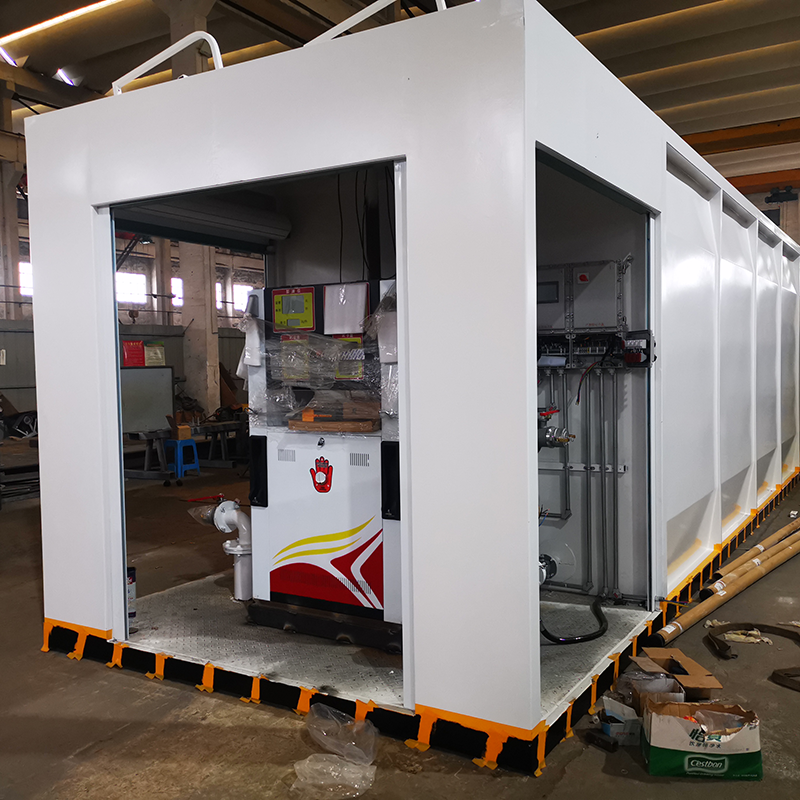
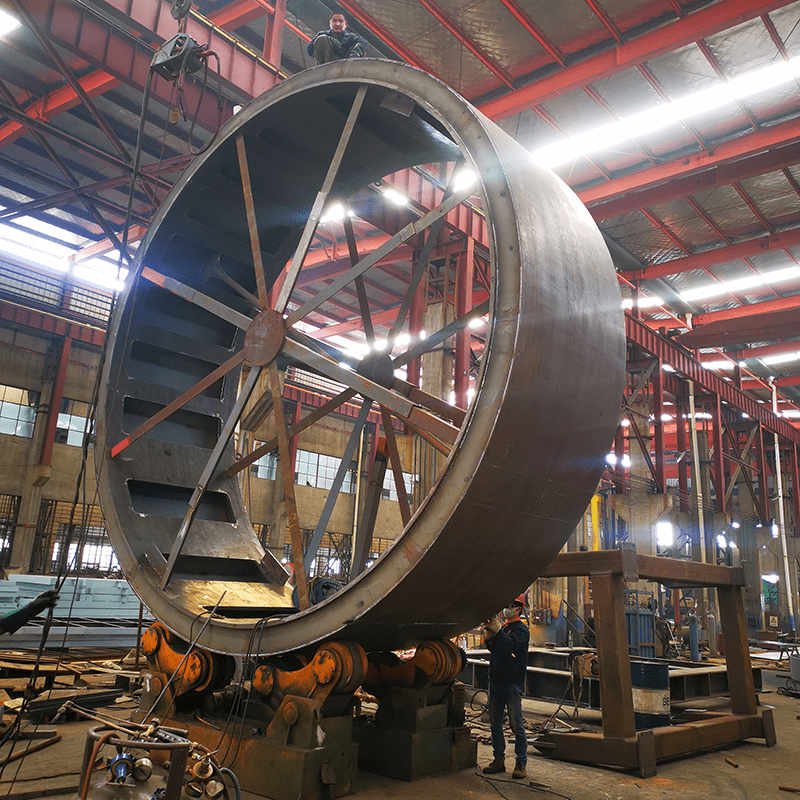
Machinery housing is a protective structural enclosure that surrounds, supports, and shields critical machine components, such as gears, bearings, motors, shafts, seals, and transmission systems, from environmental contamination, vibration, impact, and operational damage.
According to the principles of industrial mechanical engineering published by organisations such as the American Society of Mechanical Engineers, as well as modern machinery design literature, machinery housing also plays a vital role in load distribution, thermal management, lubrication containment, noise reduction, operator safety, and equipment longevity.
In modern manufacturing systems, properly engineered machinery housing can significantly improve operational reliability, maintenance efficiency, and industrial safety performance in sectors including automation, mining, energy, automotive manufacturing, food processing, and heavy machinery production.
Understanding Machinery Housing and Its Importance in Modern Industrial Equipment
Machinery housing is one of the most fundamental yet often overlooked structural elements in mechanical engineering and the manufacture of industrial equipment. In almost all machine systems, from compact electric motors and industrial pumps to large-scale gearboxes, hydraulic systems, compressors, CNC equipment, and automated production lines, it serves as the protective and supportive framework that enables the internal components to operate safely and efficiently.
At its core, machinery housing is an engineered enclosure designed to contain and protect a machine’s operational mechanisms. However, modern machinery housing performs many more functions than simply providing protection. In advanced industrial systems, housing structures are integrated into the machine’s overall mechanical, thermal, acoustic, lubrication and structural performance strategy.
Without properly designed machinery housing, critical internal components would be exposed to the following:
- Dust contamination
- Moisture intrusion
- Mechanical shock
- Corrosive environments
- Lubricant leakage
- Thermal instability
- Excessive vibration
- Safety hazards
As industrial equipment has become increasingly automated, high-speed and precision-driven, machinery housing has evolved from a basic metal shell into a highly engineered structural component with sophisticated performance requirements.
Modern machinery housing design incorporates the following:
- Structural load analysis
- Finite element engineering
- Vibration damping
- Thermal expansion management
- Precision alignment systems
- Corrosion-resistant materials
- Noise reduction technology
- Sealing integration
- Smart monitoring compatibility
The growing adoption of Industry 4.0 manufacturing systems has further elevated the importance of machinery housing, as modern industrial equipment increasingly operates under high-speed, high-temperature, and high-precision conditions, where environmental stability is essential.
Machinery housing is used across a broad range of industrial sectors:
| Industry | Machinery Housing Applications |
| Manufacturing | CNC machines, conveyors, robotics |
| Automotive | Gearboxes, transmissions, motors |
| Mining | Crushers, pumps, heavy drives |
| Food processing | Hygienic machine enclosures |
| Energy | Turbines, compressors, generators |
| Agriculture | Tractors, harvesters, hydraulic systems |
| Textile | Spinning and weaving machinery |
| Packaging | Automated packaging systems |
The design complexity of a machinery housing depends heavily on the type of machine, its operating environment, its rotational speed, its thermal load, and its maintenance requirements.
For instance, gearbox housings used in mining equipment must be able to withstand intense vibration, abrasive dust and high torque loads, whereas food-grade machinery housings must prioritise sanitary surfaces, corrosion resistance and washdown compatibility.
Industrial suppliers such as China Machinery Engineering Wuxi Co., Ltd. are increasingly focusing on precision-engineered machinery housing systems that balance durability, manufacturability, maintenance accessibility, and cost efficiency for global industrial customers.
Therefore, understanding machinery housing is essential not only for engineers and manufacturers but also for procurement specialists, equipment operators, maintenance teams, and industrial buyers who are evaluating machine reliability and long-term operational performance.
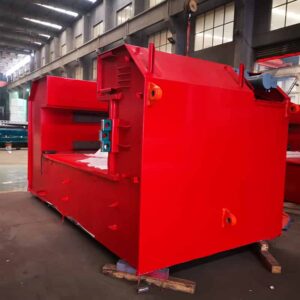
Core Functions of Machinery Housing in Industrial Machines
While the primary role of machinery housing is protection, in modern industrial engineering, the housing structure performs numerous integrated functions simultaneously.
One of the most important of these is structural support. Machinery housing often serves as the mounting framework that holds shafts, bearings, seals, gears, and rotating systems in precise alignment.
Accurate mechanical alignment is critical because even small deviations can cause:
- Bearing wear
- Gear misalignment
- Excessive vibration
- Shaft instability
- Lubrication failure
- Noise increase
- Premature equipment breakdown
Properly designed machinery housing ensures positional stability during both static and dynamic operating conditions.
Another key function is environmental isolation. Industrial machinery often operates in challenging environments containing:
- Dust
- Oil
- Chemicals
- Humidity
- Extreme temperatures
- Metal particles
- Abrasive materials
Machinery housing protects internal systems from contamination while simultaneously preventing lubricant leakage into the surrounding environment.
Lubrication retention is especially important for rotating machinery. Bearings, gears, and shafts require controlled lubrication environments to minimise friction and heat generation.
The following table summarizes the major functions of machinery housing.
| Function | Importance |
| Structural support | Maintains alignment |
| Environmental protection | Prevents contamination |
| Lubrication containment | Improves efficiency |
| Thermal management | Controls heat |
| Noise reduction | Enhances workplace safety |
| Operator protection | Prevents injury |
| Vibration damping | Extends machine life |
Thermal management is an increasingly important consideration in the design of modern machinery housings. High-speed industrial systems generate a lot of heat during operation.
Housing structures, therefore, often incorporate the following:
- Cooling channels;
- Ventilation systems;
- Heat dissipation surfaces;
- Integrated cooling jackets;
- Airflow management.
Acoustic control is another major consideration. Heavy industrial machines can generate harmful noise levels through gear meshing, motor rotation, and vibration transfer.
Advanced machinery housing systems help to reduce operational noise through material selection, optimised wall thickness, and vibration-damping structures.
Operator safety is also a core engineering requirement. Machinery housing prevents accidental contact with moving parts, including:
- Rotating shafts
- Belts
- Chains
- Gears
- Couplings
- Fans
Safety regulations in many countries require enclosed protection systems for industrial equipment to reduce the risk of workplace injuries.
Maintenance accessibility is another important design consideration. While housing must protect internal systems, it must also allow efficient servicing and inspection.
Modern housing designs increasingly incorporate the following:
- Inspection windows;
- Modular access panels;
- Quick-release covers;
- Integrated sensor ports;
- Smart monitoring systems.
As industrial automation expands globally, machinery housing is evolving from a passive enclosure into an active performance component that supports machine intelligence, operational stability, and long-term reliability.
Types of Machinery Housing Used in Industrial Equipment
The design of machinery housings can vary significantly depending on the function of the machine, its operating environment, the mechanical load it is subjected to, and the production requirements.
One of the most common types is the gearbox housing. These contain gears, shafts, bearings, and lubricants and maintain alignment under high torque conditions.
Gearbox housings are widely used in:
- Industrial conveyors;
- Mining equipment;
- Wind turbines;
- Automotive systems;
- Marine propulsion;
- Agricultural machinery.
Motor housing is another major category. Electric motor housings protect electromagnetic systems while assisting with heat dissipation and environmental sealing.
Pump housings, also known as pump casings, control fluid movement and pressure management inside industrial pumping systems.
Hydraulic machinery uses specialised housing systems that can withstand high-pressure fluid environments.
The following table outlines common machinery housing categories.
| Housing Type | Typical Application |
| Gearbox housing | Power transmission |
| Motor housing | Electrical machinery |
| Pump housing | Fluid systems |
| Bearing housing | Rotating shaft support |
| Compressor housing | Air and gas compression |
| Turbine housing | Energy generation |
| CNC machine enclosure | Precision manufacturing |
| Hydraulic housing | Fluid power systems |
The bearing housing requires special attention because bearings need to be aligned with extreme accuracy and kept free from contamination.
Split bearing housings are widely used in industrial systems as they simplify maintenance and bearing replacement.
Machinery housings can also be categorised by construction style:
- One-piece housing
- Split housing
- Welded housing
- Cast housing
- Modular housing
Cast housing remains highly popular for heavy-duty machinery because the casting process allows for complex geometries and excellent structural rigidity.
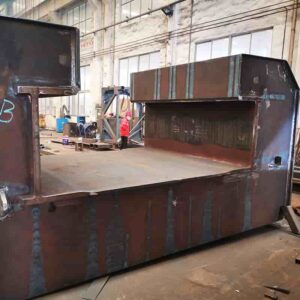
Meanwhile, fabricated welded housings offer flexibility for large, custom industrial equipment.
Precision industries are increasingly using aluminium housing systems because they reduce weight while maintaining structural performance.
The food and pharmaceutical industries often require stainless steel housings due to hygiene and corrosion resistance requirements.
Modern industrial suppliers such as China Machinery Engineering Wuxi Co., Ltd. frequently provide customised machinery housing solutions tailored to industry-specific operational demands, including durability, sealing performance and precision machining accuracy.
As industrial environments become more specialised, the design of machinery housings continues to diversify to support increasingly complex mechanical systems.
Materials Used in Machinery Housing Manufacturing
Material selection is one of the most important factors in machinery housing engineering, as material properties directly affect durability, weight, thermal performance, vibration behaviour, corrosion resistance, and manufacturing cost.
Cast iron remains one of the most widely used materials for heavy machinery housing due to its ability to provide:
- Excellent rigidity;
- Good vibration damping;
- High compressive strength;
- Stable dimensional performance;
- Cost-effective casting capability.
Gray cast iron is especially common in gearbox housings and machine tool structures.
However, modern industrial systems increasingly demand lighter, corrosion-resistant alternatives.
Aluminium alloys have therefore become highly popular in the automotive, aerospace, robotics, and lightweight industrial sectors.
Advantages of aluminium housing include:
- Reduced weight
- Corrosion resistance
- High thermal conductivity
- Machining efficiency
- Recyclability
The following table compares common machinery housing materials.
| Material | Main Advantages | Common Applications |
| Cast iron | Rigidity and damping | Heavy machinery |
| Aluminum alloy | Lightweight and cooling | Motors and robotics |
| Stainless steel | Corrosion resistance | Food and pharma |
| Carbon steel | Strength and fabrication | Industrial structures |
| Engineering plastics | Lightweight insulation | Electronics and light-duty systems |
Stainless steel housing is prevalent in industries requiring sanitary operations or corrosion resistance, including:
- Food processing
- Pharmaceutical manufacturing
- Chemical production
- Marine applications
Engineering plastics and composite materials are also expanding rapidly in certain machinery sectors.
Polymer housings offer benefits such as:
- Electrical insulation
- Lightweight construction
- Corrosion immunity
- Noise reduction
However, plastics generally have a lower structural load capacity than metals.
Thermal behaviour is another important consideration. Machinery operating at high temperatures may require materials that can handle thermal expansion without becoming distorted.
Some advanced machinery housings now incorporate hybrid construction, combining multiple materials to optimise:
- Weight reduction
- Structural rigidity
- Thermal efficiency
- Manufacturing flexibility
Surface treatments can further improve housing durability:
- Powder coating
- Anodising
- Electroplating
- Anticorrosion coatings
- Thermal spray protection
Material innovation continues to drive improvements in machinery housing performance, especially as industries demand more sustainable, lightweight, and energy-efficient equipment.
Machinery Housing Design Principles and Engineering Considerations
The design of modern machinery housing involves far more than simply enclosing machine parts. Engineers must simultaneously consider structural, thermal, acoustic, manufacturing, safety, and maintenance requirements.
One of the most critical design principles is rigidity. Machinery housing must be able to resist deformation during operation, as structural flexing can compromise component alignment.
Finite Element Analysis (FEA) is widely used to simulate stress distribution and optimise housing geometry before production.
Key design considerations include:
- Load distribution
- Thermal expansion
- Vibration control
- Lubrication flow
- Seal integration
- Assembly access
- Machining tolerances
- Environmental protection
Wall thickness optimisation is especially important.
Excessively thin walls may reduce rigidity, while overly thick sections increase:
- Weight
- Material cost
- Machining complexity
- Thermal retention
Rib reinforcement is commonly used to improve structural stiffness without using excessive amounts of material.
The positioning of bearings and shafts also heavily influences housing geometry.
Precision-machined bearing seats must maintain tight tolerances to ensure accurate rotational alignment.
Another critical factor involves sealing systems. Machinery housing often incorporates one or more of the following:
- Orings
- Lip seals
- Gaskets
- Mechanical seals
- Labyrinth seals
These sealing systems prevent the ingress of contaminants and lubricant leakage.
As machinery power density rises, thermal management increasingly influences housing design.
Advanced housing systems may integrate the following:
- Cooling fins;
- Liquid cooling channels;
- Heat exchangers;
- Ventilation pathways.
Smart manufacturing trends are also reshaping housing engineering.
Modern machinery housing may now include integrated sensor systems for:
- Temperature monitoring
- Vibration analysis
- Oil condition sensing
- Structural health monitoring
Digital manufacturing technologies such as CNC machining, precision casting, and additive manufacturing are enabling more complex housing geometries than ever before.
These technologies allow engineers to optimize strength-to-weight ratios while improving manufacturing precision.
Industrial Applications and Importance of Machinery Housing
Machinery housing plays a mission-critical role in almost every industrial sector because the reliable operation of equipment depends heavily on the protection and stabilisation of internal components.
In the automotive manufacturing industry, for example, machinery housing supports transmissions, differential systems, electric drive units, and robotic production equipment.
In mining operations, heavy-duty housings must withstand high shock loads, abrasive contamination, extreme vibration, and continuous operation.
Energy industries rely on turbine housing systems that can handle immense thermal and rotational stress.
Food processing equipment requires specialised sanitary housing designs with smooth surfaces and washdown compatibility.
Textile machinery uses precision housings to support high-speed rotating systems that require stable vibration control.
Packaging automation systems depend on lightweight yet rigid housing structures to maintain precision alignment during continuous production cycles.
Industrial robotics increasingly requires compact, high-strength housing systems optimised for:
- Motion accuracy
- Weight reduction
- Thermal management
- Cable integration
Another rapidly growing application area is renewable energy.
Wind turbine gearbox housing systems must be able to handle the following:
- Variable loads
- Harsh outdoor conditions
- Long operational lifespans
- Minimal maintenance intervals
Smart factory systems also demand machinery housing that can support integrated automation and sensor technologies.
As industrial automation expands globally, machinery housing is becoming both a structural platform and an intelligent integration system.
Future Trends in Machinery Housing Technology
The future of machinery housing is closely tied to automation, lightweight engineering, sustainability, and digital manufacturing.
One major trend is the use of smart housing systems equipped with embedded sensors that can monitor in real time.
These systems can track the following:
- Temperature
- Vibration
- Lubrication conditions
- Structural stress
- Predictive maintenance indicators
Additive manufacturing is also transforming machinery housing production.
3D printing technologies allow engineers to create optimised internal geometries that would be impossible to achieve through traditional casting or machining.
Topology optimisation software can further improve strength-to-weight efficiency.
The importance of lightweight materials will continue to grow as industries seek to improve energy efficiency and reduce transportation costs.
Recycled metals and sustainable manufacturing practices are also becoming increasingly important in the production of industrial equipment.
Noise reduction engineering is another growing priority due to stricter workplace regulations and urban industrial environments.
Hybrid materials that combine metals, polymers, and composites may become more prevalent in future housing systems.
Artificial intelligence and digital twins are also expected to enhance the management of machinery housing lifecycles by predicting wear patterns and maintenance requirements before failures occur.
Companies such as China Machinery Engineering Wuxi Co., Ltd. are well positioned within this evolving industrial landscape, as global customers demand greater precision, a longer service life, and smarter, more integrated machinery solutions.
FAQ About Machinery Housing
- What is machinery housing in a machine?
Machinery housing is the protective structural enclosure that surrounds and supports machine components such as gears, bearings, shafts, and motors.
- Why is machinery housing important?
It protects internal components, maintains alignment, contains lubrication, improves safety, reduces noise, and extends machine lifespan.
- What materials are used for machinery housing?
Common materials include cast iron, aluminum, stainless steel, carbon steel, and engineering plastics.
- What industries use machinery housing?
Machinery housing is used in manufacturing, automotive, mining, energy, food processing, agriculture, robotics, and many other industries.
- What is the difference between a gearbox housing and a bearing housing?
Gearbox housing encloses gears and transmission systems, while bearing housing specifically supports and protects bearings and rotating shafts.
- How does machinery housing affect machine performance?
Proper housing improves structural stability, thermal control, lubrication management, vibration damping, and overall operational reliability.
Conclusion
Machinery housing is much more than just an outer shell for industrial equipment. In modern mechanical engineering, it serves as a vital structural, protective, thermal, acoustic, and operational component that directly impacts machine reliability, efficiency, safety, and service life. Properly engineered machinery housing ensures that internal machine components remain aligned, protected, lubricated, and thermally stable, even under demanding industrial operating conditions, from gearboxes and motors to pumps, turbines, robotics, and automated production systems.
As manufacturing technologies advance through automation, smart factories, Industry 4.0 systems, and sustainable engineering practices, the design of machinery housing is becoming increasingly sophisticated. Modern housing systems integrate advanced materials, precision machining, digital monitoring, vibration control and lightweight structural optimisation to support the performance of next-generation industrial equipment.
For industrial buyers, engineers, manufacturers, and maintenance professionals, understanding the principles of machinery housing is essential for evaluating the quality, operational durability, maintenance efficiency, and long-term production reliability of equipment. Suppliers such as our company, China Machinery Engineering Wuxi Co., Ltd, continue to contribute to this rapidly evolving sector by providing precision-engineered machinery housing solutions designed to meet the growing technical demands of global industrial markets.