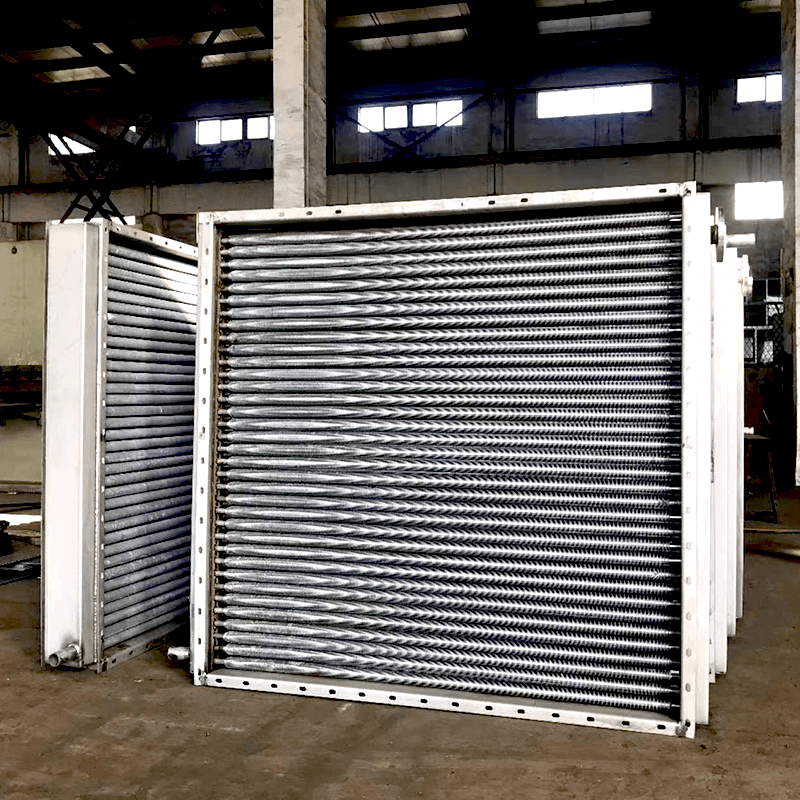


To prevent corrosion in a heat exchanger, a combination of proper material selection, corrosion control strategies, fluid chemistry management, and regular inspection is required. According to the ASM Handbook, Volume 13: Corrosion: Fundamentals, Testing and Protection, and the American Petroleum Institute’s (API) corrosion control guidelines state that the most effective approach is to first identify the corrosion mechanism and then apply suitable solutions, such as corrosion-resistant alloys, water treatment, protective coatings, and operational control.
In industrial applications, corrosion prevention cannot be achieved by a single method, but rather through complete lifecycle management that considers design conditions, operating fluids, temperature, pressure and maintenance requirements. Effective corrosion management can significantly extend the service life of heat exchangers, maintain thermal efficiency, and reduce the risk of unexpected equipment failure.
Introduction
A heat exchanger is one of the most important components in industrial thermal systems. It transfers heat between two fluids without allowing them to mix. It is widely used in chemical processing, power generation, oil and gas production, refrigeration, food processing, marine systems, and HVAC applications. Although modern heat exchangers are designed for demanding operating environments, corrosion remains one of the most common causes of performance degradation and equipment failure.
When corrosion occurs inside a heat exchanger, it can damage tubes, plates, shells and sealing components. Even minor corrosion defects can eventually lead to fluid leakage, reduced heat transfer efficiency, pressure loss and costly production interruptions. In severe cases, corrosion can result in unexpected shutdowns and pose environmental and safety risks.
The challenge lies in the fact that corrosion inside a heat exchanger is often influenced by multiple factors simultaneously. These include fluid composition, dissolved oxygen, chloride concentration, temperature fluctuations, flow velocity, material compatibility, and operating conditions.
Therefore, effective corrosion prevention requires a systematic approach, beginning at the design stage and continuing throughout the equipment’s lifecycle. Engineers must select appropriate materials, control operating conditions, monitor fluid chemistry and implement preventive maintenance programmes to ensure reliable, long-term operation.
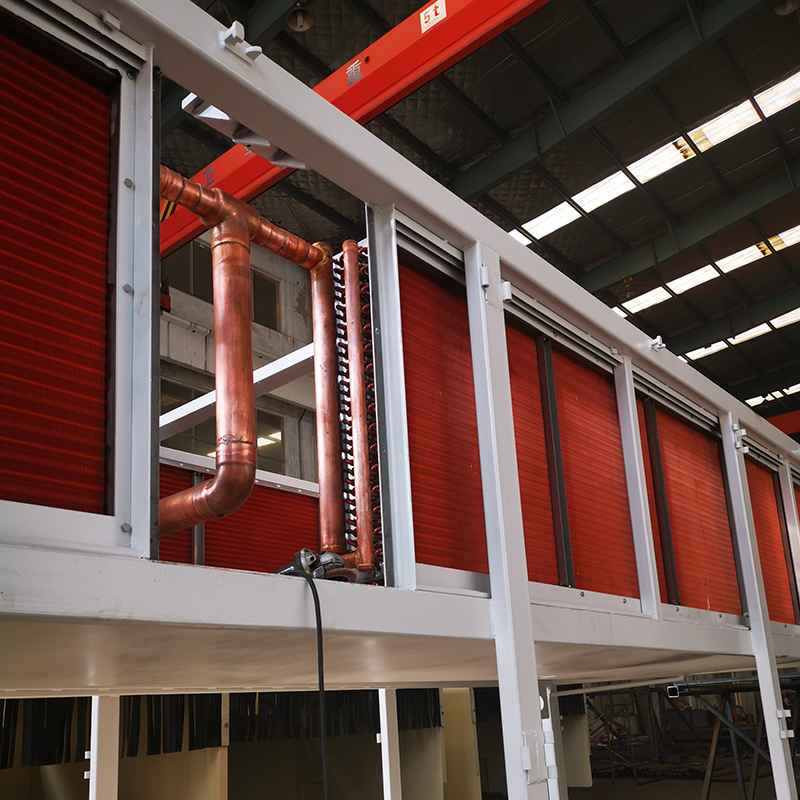
Why Does Corrosion Occur in a Heat Exchanger?
Understanding the causes of corrosion is the first step toward developing an effective protection strategy. Different heat exchanger environments create different corrosion mechanisms, and each mechanism requires a specific prevention approach.
Chemical Corrosion
Chemical corrosion occurs when the heat exchanger material directly reacts with aggressive chemicals in the process fluid. Acidic solutions, alkaline environments, dissolved gases, and industrial chemicals can gradually deteriorate metal surfaces.
For example, carbon steel heat exchangers may experience accelerated corrosion when exposed to acidic fluids containing high concentrations of hydrogen ions. In chemical processing industries, selecting materials compatible with the process medium is essential to avoid premature failure.
Electrochemical Corrosion
Most corrosion in metallic heat exchangers occurs through electrochemical reactions. This process involves the movement of electrons between anodic and cathodic areas on the metal surface.
Factors that accelerate electrochemical corrosion include:
- Dissolved oxygen in water
- High conductivity fluids
- Chloride ions
- Improper pH levels
- Temperature changes
Cooling water systems are particularly vulnerable because water acts as an electrolyte that enables corrosion reactions.
Galvanic Corrosion
Galvanic corrosion occurs when two different metals are connected in the presence of an electrolyte. The less noble metal becomes the anode and corrodes faster.
This issue commonly appears when heat exchanger components contain different materials, such as:
- Stainless steel tubes connected with carbon steel structures
- Copper alloys combined with aluminum components
- Different grades of stainless steel used together
Proper material selection, insulation between incompatible metals, and corrosion-resistant design practices help reduce galvanic corrosion risks.
Erosion Corrosion
Erosion corrosion occurs when high-speed fluid flow removes protective oxide layers from metal surfaces, exposing fresh material to further corrosion.
Common causes include:
- Excessive fluid velocity
- Suspended particles
- Poor flow distribution
- Improper system design
Heat exchanger tubes are particularly vulnerable because continuous high-speed flow can gradually thin tube walls and create localized damage.
Microbiologically Influenced Corrosion (MIC)
Microbiologically influenced corrosion is caused by microorganisms that grow in water systems and produce corrosive byproducts.
Common microorganisms include:
- Sulfate-reducing bacteria
- Iron bacteria
- Slime-forming bacteria
MIC is frequently found in cooling water systems, marine applications, and equipment operating with untreated water. Regular water monitoring and appropriate biocide treatment are important prevention methods.
Common Types of Corrosion in Heat Exchangers
Different heat exchanger designs and operating conditions can produce different corrosion patterns. Identifying the corrosion type helps engineers select the correct prevention method.
Pitting Corrosion
Pitting corrosion creates small but deep holes on metal surfaces. Although the affected area may appear limited, pits can penetrate through heat exchanger tubes and cause leakage.
Chloride-containing environments are a major cause of pitting, especially in stainless steel equipment.
Crevice Corrosion
Crevice corrosion occurs in narrow gaps where stagnant fluid becomes trapped. Typical locations include:
- Tube-to-sheet connections
- Gaskets
- Bolted joints
- Plate heat exchanger sealing areas
Reduced oxygen concentration inside these areas creates conditions that accelerate localized corrosion.
Stress Corrosion Cracking
Stress corrosion cracking occurs when tensile stress combines with a corrosive environment. This type of failure can happen suddenly because cracks may develop internally before becoming visible.
Common risk factors include:
- High operating temperatures
- Residual manufacturing stress
- Chloride exposure
- Certain alloy combinations
Uniform Corrosion
Uniform corrosion affects a large surface area relatively evenly. Although it is easier to predict than localized corrosion, excessive material loss can eventually reduce mechanical strength.
Corrosion allowance during design and appropriate material selection are commonly used to manage this risk.
Main Methods to Prevent Corrosion in Heat Exchangers
Corrosion prevention requires combining several engineering methods rather than relying on a single solution.
Selecting Corrosion-Resistant Materials
Material selection is one of the most effective ways to prevent corrosion. Engineers must consider the chemical properties of fluids, operating temperature, pressure, and expected service life.
Common corrosion-resistant materials include:
- Stainless steel
- Titanium
- Nickel-based alloys
- Copper-nickel alloys
- Duplex stainless steel
For example, titanium heat exchangers provide excellent resistance against seawater corrosion, while stainless steel is widely used in chemical, food, and pharmaceutical applications.
Applying Protective Coatings
Protective coatings create a physical barrier between the metal surface and corrosive fluids. They are commonly used when changing the base material is impractical due to cost considerations.
Common coating technologies include:
- Epoxy coatings
- Polymer linings
- Ceramic coatings
- Metallic coatings
The coating must be carefully selected based on temperature resistance, chemical compatibility, and mechanical durability.
Water Treatment and Chemical Control
For water-based heat exchanger systems, controlling water chemistry is critical. Poorly treated cooling water can accelerate corrosion and scaling simultaneously.
Important control parameters include:
- pH value
- Chloride concentration
- Dissolved oxygen
- Conductivity
- Microbial activity
Chemical inhibitors may also be added to reduce corrosion rates by forming protective films on metal surfaces.
Common Corrosion Types and Prevention Methods
| Corrosion Type | Main Cause | Typical Location | Prevention Method |
| Pitting Corrosion | Chloride ions, oxygen concentration differences | Tubes, plates | Use corrosion-resistant alloys, control chloride levels |
| Crevice Corrosion | Stagnant fluid in narrow gaps | Gaskets, joints | Improve design, avoid fluid traps |
| Galvanic Corrosion | Contact between different metals | Connections and assemblies | Material compatibility, electrical isolation |
| Erosion Corrosion | High velocity and particles | Tube surfaces | Control flow rate, improve filtration |
| MIC | Microbial growth in fluids | Cooling systems | Biocide treatment, regular monitoring |
Best Practices for Long-Term Corrosion Protection
Preventing corrosion in a heat exchanger is not only a design consideration but also an ongoing operational responsibility. Even when corrosion-resistant materials are selected, poor maintenance practices, uncontrolled fluid conditions, or unexpected operating changes can accelerate degradation. A comprehensive protection strategy combines monitoring, inspection, cleaning, and process control to maintain reliable performance throughout the equipment lifecycle.
Regular Inspection and Condition Monitoring
Regular inspection is one of the most effective ways to identify corrosion before it becomes a serious failure. Many corrosion problems develop internally and may not be visible during routine operation. Non-destructive testing methods allow engineers to evaluate the condition of heat exchanger components without dismantling the entire system.
Common inspection methods include:
- Visual inspection: Detects visible corrosion, deposits, and surface damage.
- Ultrasonic thickness testing (UT): Measures tube and shell wall thickness reduction.
- Eddy current testing: Identifies cracks, pitting, and tube defects.
- Dye penetrant testing: Detects surface cracks in specific components.
- Pressure testing: Confirms mechanical integrity after maintenance.
For critical industrial equipment, inspection frequency should be determined according to operating conditions, fluid aggressiveness, and industry regulations. Heat exchangers handling seawater, chemical solutions, or high-temperature fluids generally require more frequent monitoring than systems operating with clean water.
Proper Cleaning and Deposit Control
Deposits inside a heat exchanger can indirectly accelerate corrosion by creating localized environments where corrosive reactions occur. Scale, biological growth, and suspended particles may reduce heat transfer efficiency while increasing the risk of under-deposit corrosion.
Common deposits include:
- Calcium carbonate scale
- Metal oxides
- Organic fouling
- Biological deposits
- Process residues
A proper cleaning strategy should remove deposits without damaging protective surface layers. Mechanical cleaning, chemical cleaning, and online cleaning technologies are commonly used depending on the heat exchanger design and operating conditions.
However, aggressive cleaning chemicals should be carefully controlled. Improper chemical cleaning may attack metal surfaces, remove protective oxide films, or introduce new corrosion risks.
Controlling Flow Velocity
Fluid velocity has a significant impact on corrosion behavior. Excessively low flow rates may encourage sediment accumulation and microbial growth, while excessive velocities can cause erosion corrosion.
The ideal operating velocity depends on:
- Fluid characteristics
- Pipe and tube material
- Particle concentration
- Temperature
- Pressure conditions
For example, seawater heat exchangers require careful velocity management because both stagnant conditions and excessive flow can damage metal surfaces.
Engineering calculations during the design stage help determine suitable flow conditions that balance heat transfer efficiency and corrosion resistance.
How Material Selection Influences Heat Exchanger Corrosion Resistance?
Material selection is one of the most important decisions affecting heat exchanger reliability. Different metals provide different levels of resistance against chemicals, temperature, pressure, and environmental exposure.
Engineers must evaluate:
- Fluid chemical composition
- Operating temperature
- Chloride concentration
- Mechanical stress
- Required service life
- Maintenance requirements
Choosing a material that matches the application environment can significantly reduce corrosion risks and lower long-term operating costs.
Carbon Steel
Carbon steel is widely used because of its strength, availability, and relatively low cost. It performs well in many applications when corrosion control measures are properly implemented.
Advantages:
- High mechanical strength
- Cost-effective
- Suitable for large industrial equipment
Limitations:
- Lower resistance to acidic environments
- Vulnerable to oxygen corrosion
- Requires coatings or inhibitors in aggressive conditions
Carbon steel heat exchangers are commonly used in applications where water chemistry can be effectively controlled.
Stainless Steel
Stainless steel is one of the most common corrosion-resistant materials used in modern heat exchangers. Its chromium content creates a passive oxide layer that protects the surface from many corrosive environments.
Advantages:
- Excellent corrosion resistance
- Good mechanical strength
- Suitable for food, pharmaceutical, and chemical industries
Limitations:
- Chloride environments may cause pitting
- Higher cost compared with carbon steel
Common grades include:
- 304 stainless steel
- 316 stainless steel
- Duplex stainless steel
316 stainless steel is often preferred for applications involving chlorides because molybdenum improves resistance against localized corrosion.
Titanium
Titanium provides outstanding corrosion resistance, especially in seawater and highly aggressive chemical environments.
Advantages:
- Excellent resistance to seawater corrosion
- High strength-to-weight ratio
- Long service life
Limitations:
- Higher material cost
- Requires specialized manufacturing processes
Titanium heat exchangers are widely used in marine systems, desalination plants, and chemical processing facilities.
Nickel-Based Alloys
Nickel alloys such as Hastelloy are designed for extreme environments where conventional metals may fail.
Advantages:
- Exceptional chemical resistance
- Suitable for high temperatures
- Excellent resistance against acids
Applications include:
- Chemical reactors
- Pharmaceutical processing
- Petrochemical equipment
The higher cost makes nickel alloys a specialized solution for demanding operating conditions.
Corrosion Prevention in Different Heat Exchanger Applications
Different industries face unique corrosion challenges, meaning prevention strategies must be adapted to specific operating environments.
Shell and Tube Heat Exchangers
Shell and tube heat exchangers are widely used in oil, gas, power generation, and chemical industries. Their corrosion risks often involve tube damage, scaling, and fluid contamination.
Recommended prevention methods include:
- Selecting corrosion-resistant tube materials
- Monitoring cooling water chemistry
- Performing regular tube inspection
- Using corrosion inhibitors
Plate Heat Exchangers
Plate heat exchangers provide high heat transfer efficiency but contain narrow channels where deposits and crevice corrosion may occur.
Important protection measures include:
- Selecting suitable plate materials
- Maintaining proper gasket compatibility
- Preventing excessive chloride exposure
- Performing scheduled cleaning
Air-Cooled Heat Exchangers
Air-cooled systems are exposed to environmental conditions such as humidity, salt spray, and industrial pollutants.
Protection strategies include:
- Anti-corrosion coatings
- Weather-resistant materials
- Regular surface inspection
- Environmental monitoring
Comparison of Heat Exchanger Materials
| Material | Corrosion Resistance | Advantages | Common Applications |
| Carbon Steel | Moderate | Low cost, strong structure | General industrial systems, heating systems |
| Stainless Steel 304 | Good | Balanced cost and corrosion resistance | HVAC, food processing, general chemical applications |
| Stainless Steel 316 | Very Good | Improved chloride resistance | Marine systems, chemical processing |
| Titanium | Excellent | Outstanding seawater resistance | Desalination, marine heat exchangers |
| Nickel Alloy | Excellent | Extreme chemical resistance | Petrochemical, pharmaceutical industries |
Frequently Asked Questions (FAQ)
- What causes corrosion in a heat exchanger?
Corrosion in a heat exchanger is mainly caused by aggressive chemicals, dissolved oxygen, chloride ions, improper water treatment, high temperatures, microbial activity, and incompatible material combinations. The exact cause depends on the operating environment and fluid conditions.
- How can corrosion be prevented in a heat exchanger?
Corrosion can be prevented through proper material selection, water chemistry control, protective coatings, corrosion inhibitors, suitable flow conditions, regular inspection, and effective cleaning procedures.
- Which material is best for corrosion-resistant heat exchangers?
There is no single best material for every application. Stainless steel is widely used for general corrosion resistance, titanium performs well in seawater environments, and nickel alloys are preferred for highly aggressive chemical applications.
- How often should heat exchangers be inspected for corrosion?
Inspection frequency depends on operating conditions, fluid type, temperature, and industry requirements. Critical equipment handling corrosive fluids may require frequent monitoring, while less aggressive systems may need periodic inspection.
- Can water treatment prevent heat exchanger corrosion?
Yes. Proper water treatment can significantly reduce corrosion by controlling pH, dissolved oxygen, chloride concentration, scaling, and microbial growth. Cooling water systems especially depend on effective chemical management.
- What is the difference between fouling and corrosion in heat exchangers?
Fouling refers to unwanted deposits accumulating on heat transfer surfaces, reducing efficiency. Corrosion involves chemical or electrochemical damage to the material itself. However, fouling can create conditions that accelerate corrosion, especially under deposits.
Conclusion
Corrosion prevention is essential for ensuring the reliability, efficiency, and safety of a heat exchanger throughout its operating life. Since corrosion mechanisms can vary significantly depending on factors such as fluid composition, temperature, pressure and material selection, successful protection requires a comprehensive engineering approach rather than a single solution.
The most effective strategy involves using corrosion-resistant materials, controlling operating conditions, treating water properly, applying protective coatings, and carrying out preventive maintenance. For general industrial applications, stainless steel offers a practical balance of performance and cost, whereas titanium and nickel-based alloys provide superior protection in highly aggressive environments.
As industrial systems continue to demand greater efficiency and longer service intervals, effective corrosion management will remain critical to heat exchanger design and operation. Implementing systematic monitoring and selecting the right protection methods from the outset can help companies reduce downtime, lower maintenance costs, and maximise the service life of their thermal equipment.