




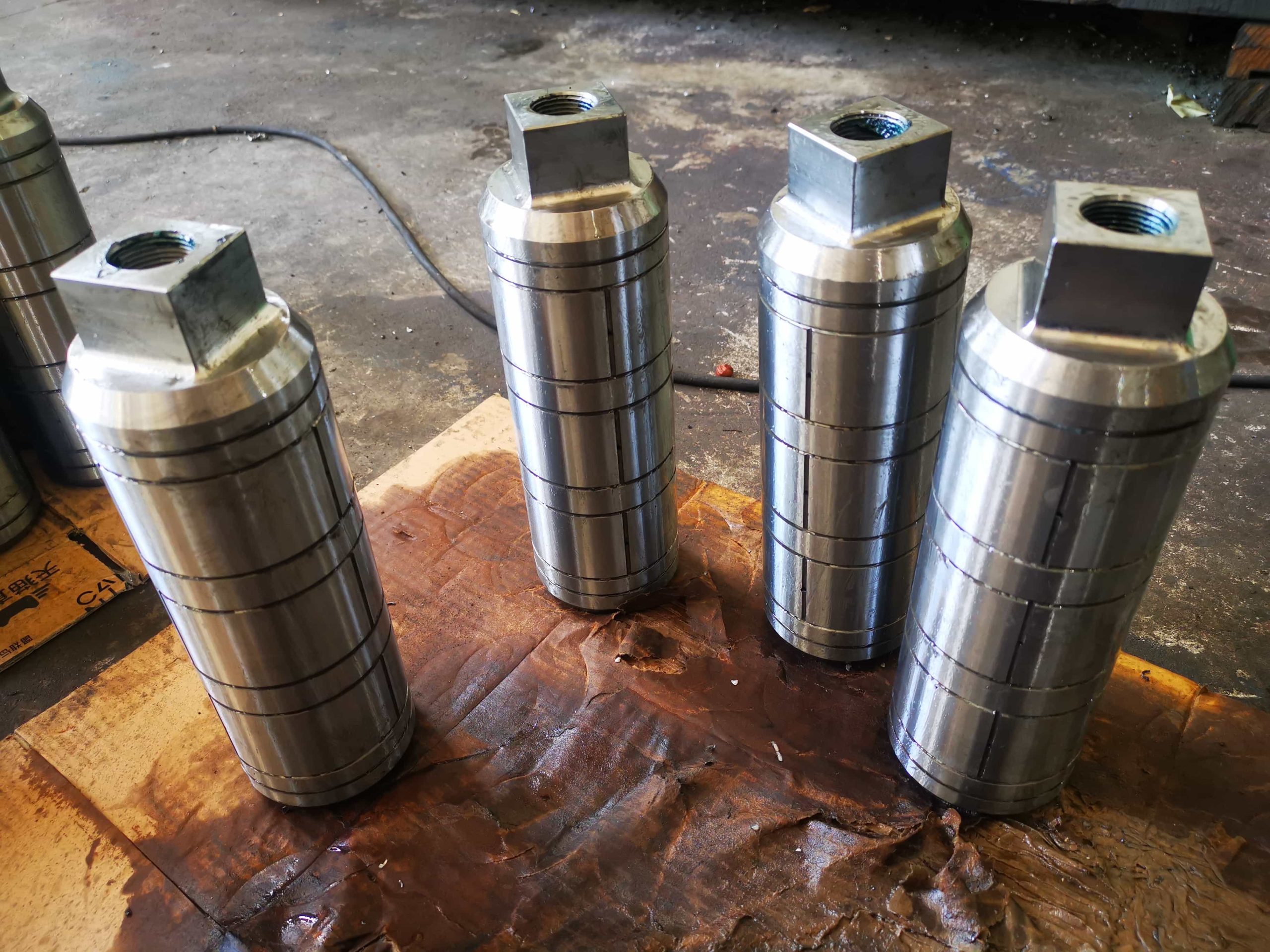
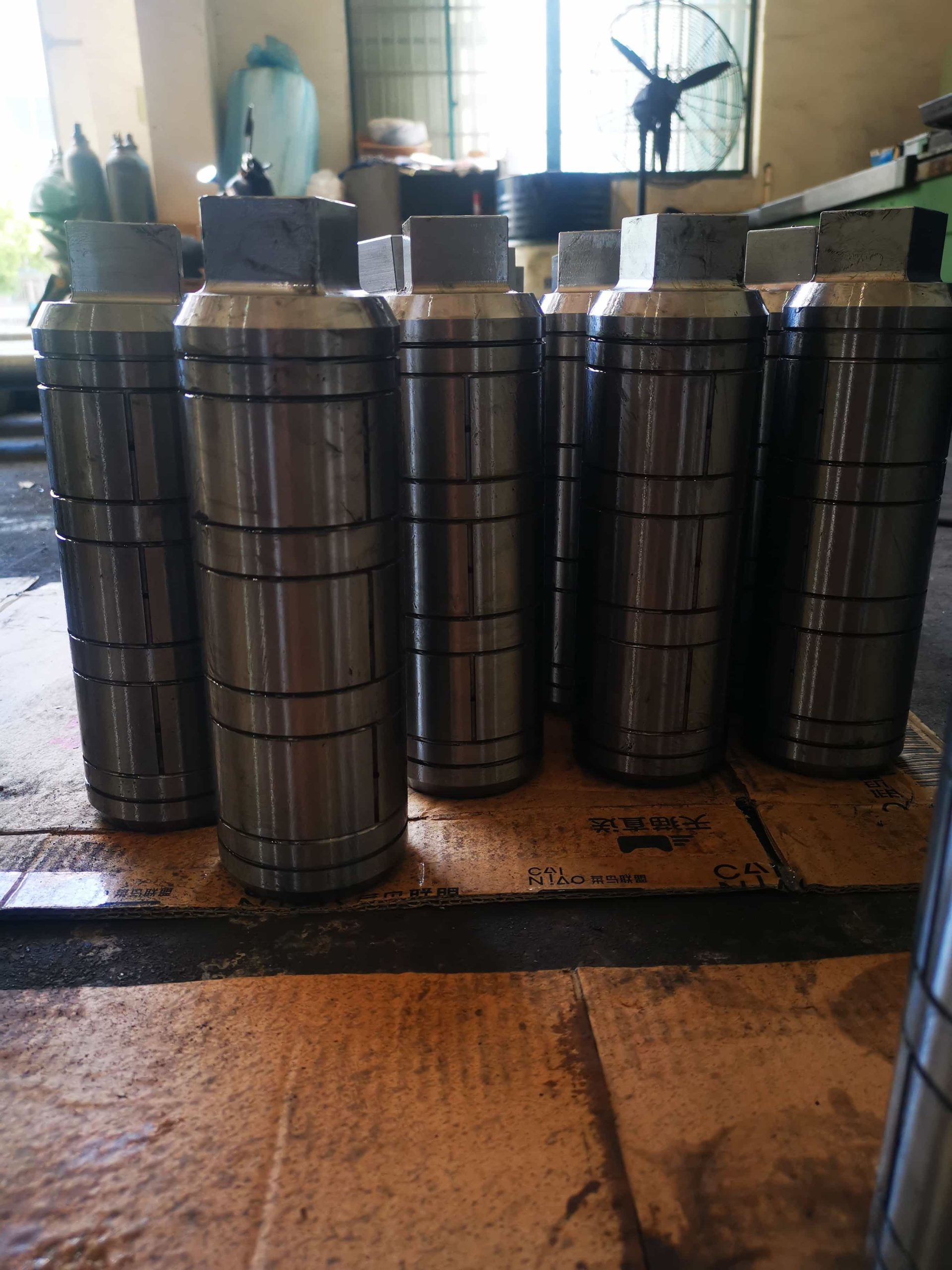
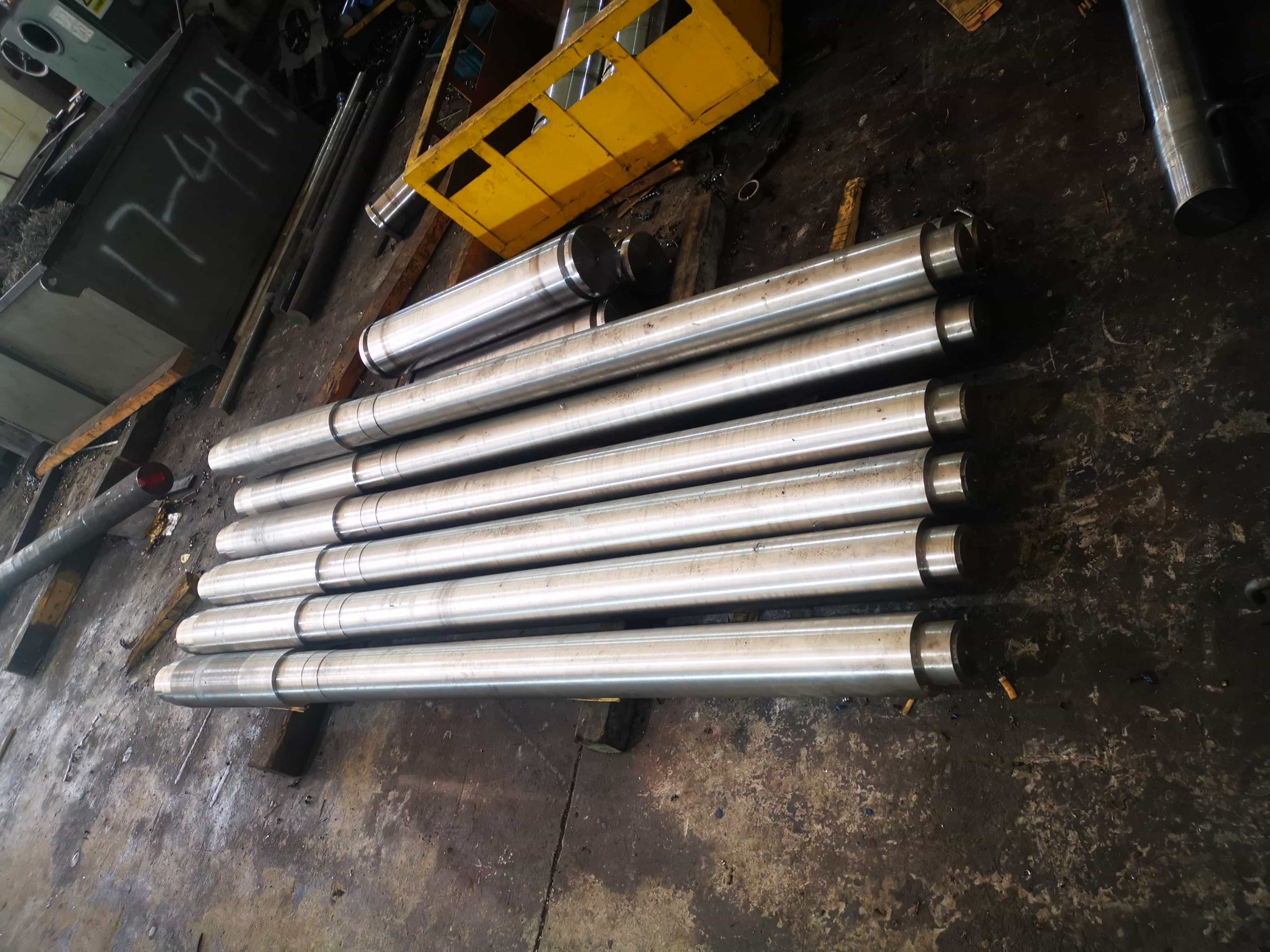


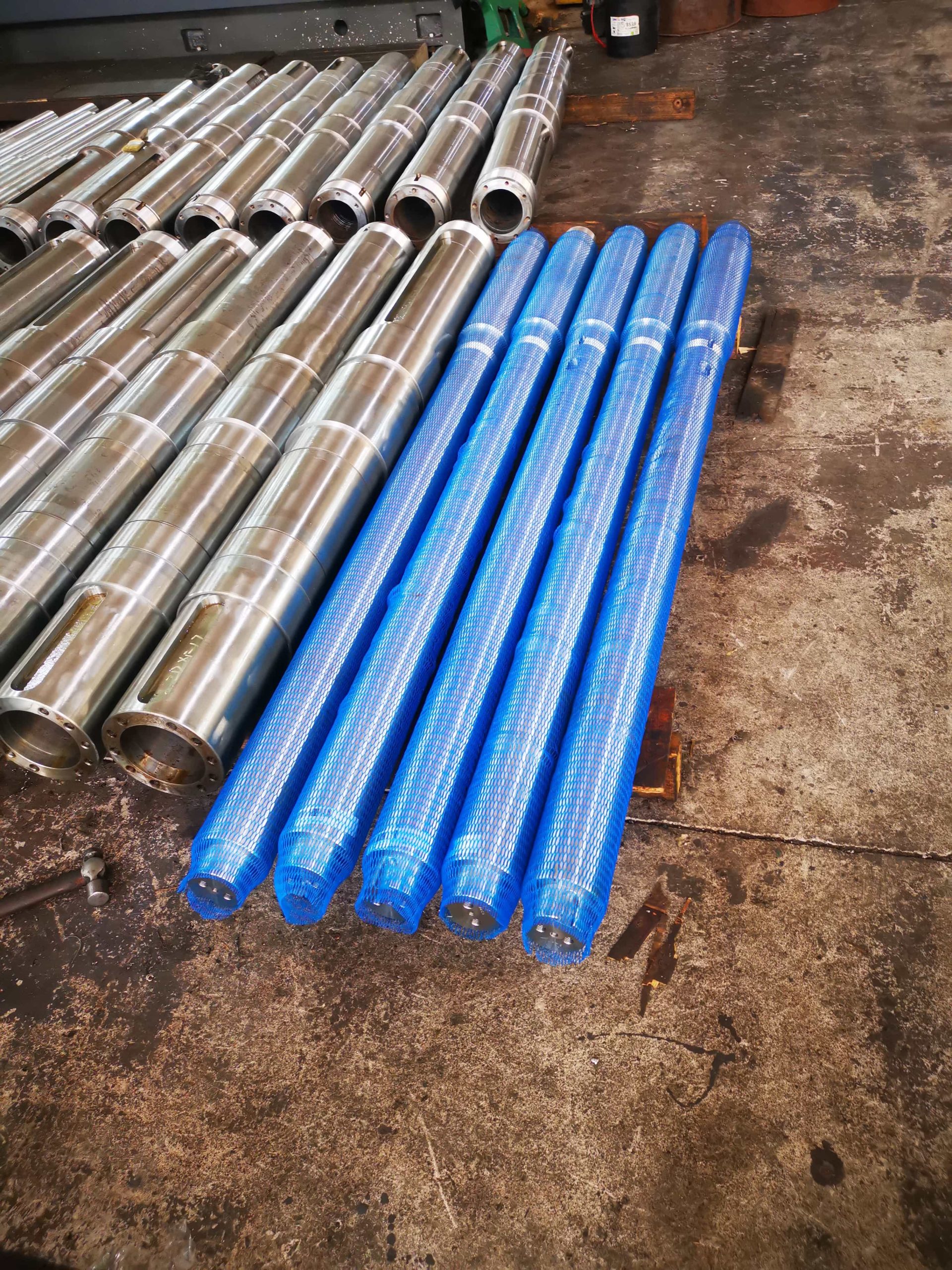


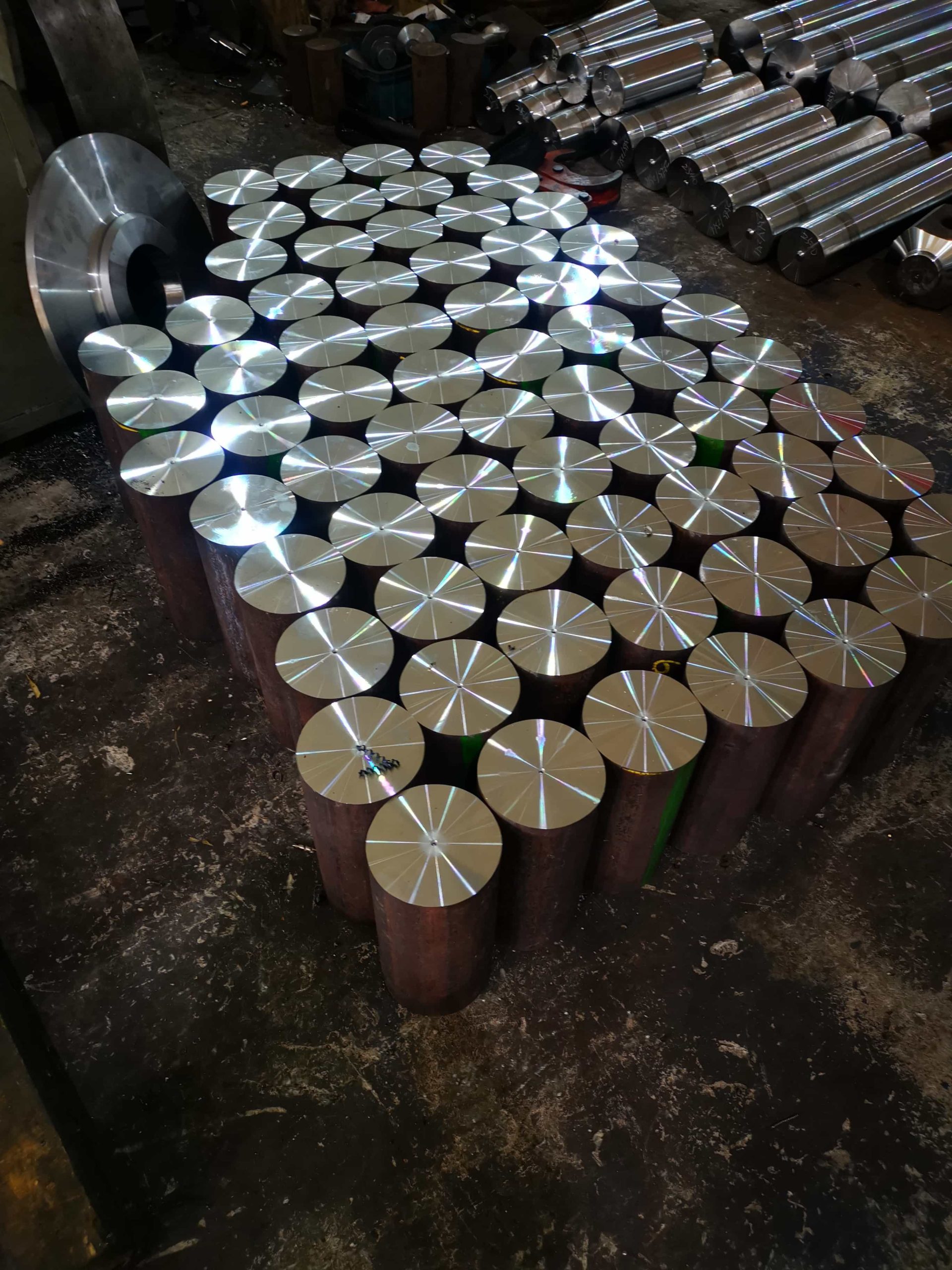
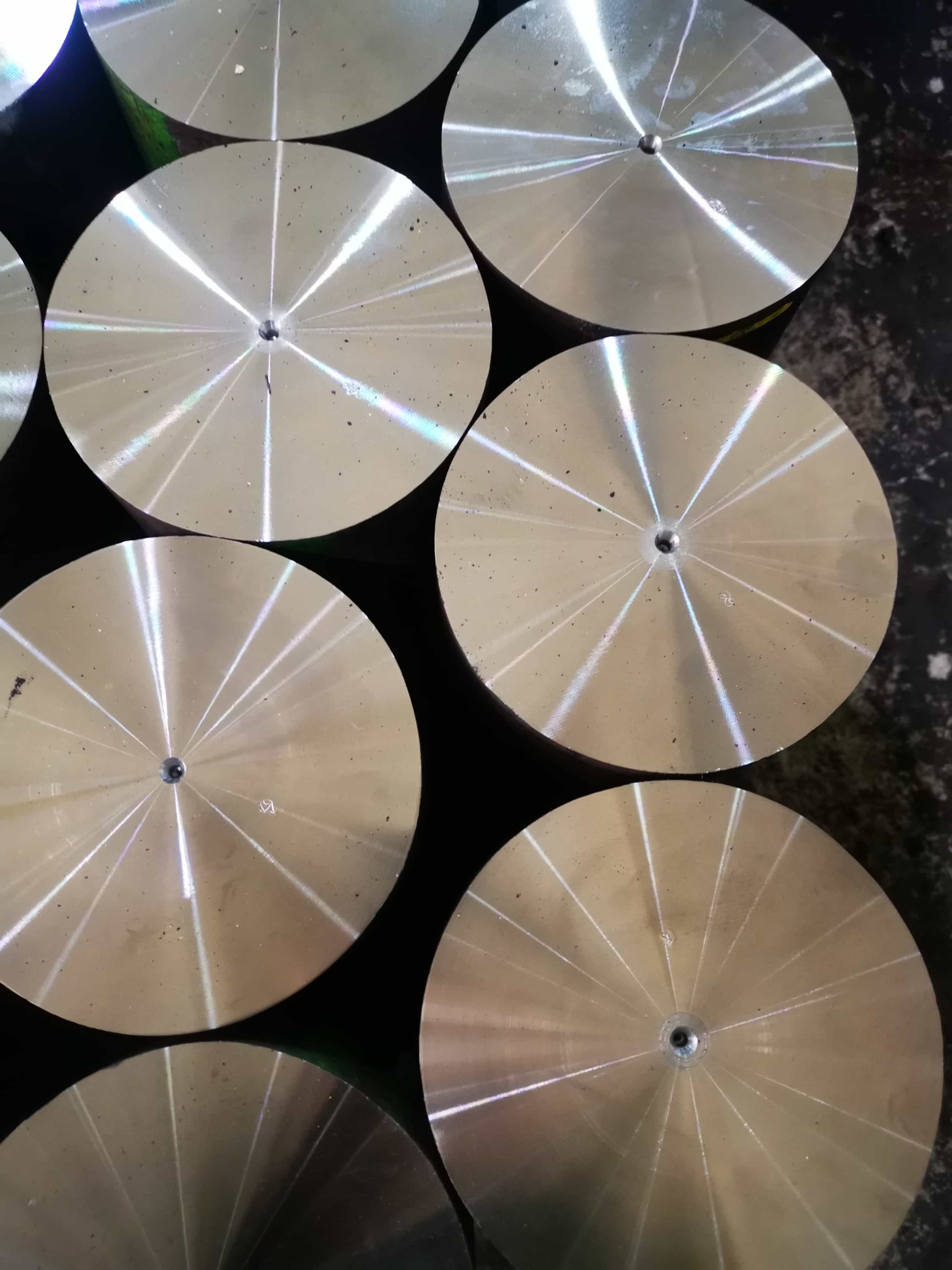
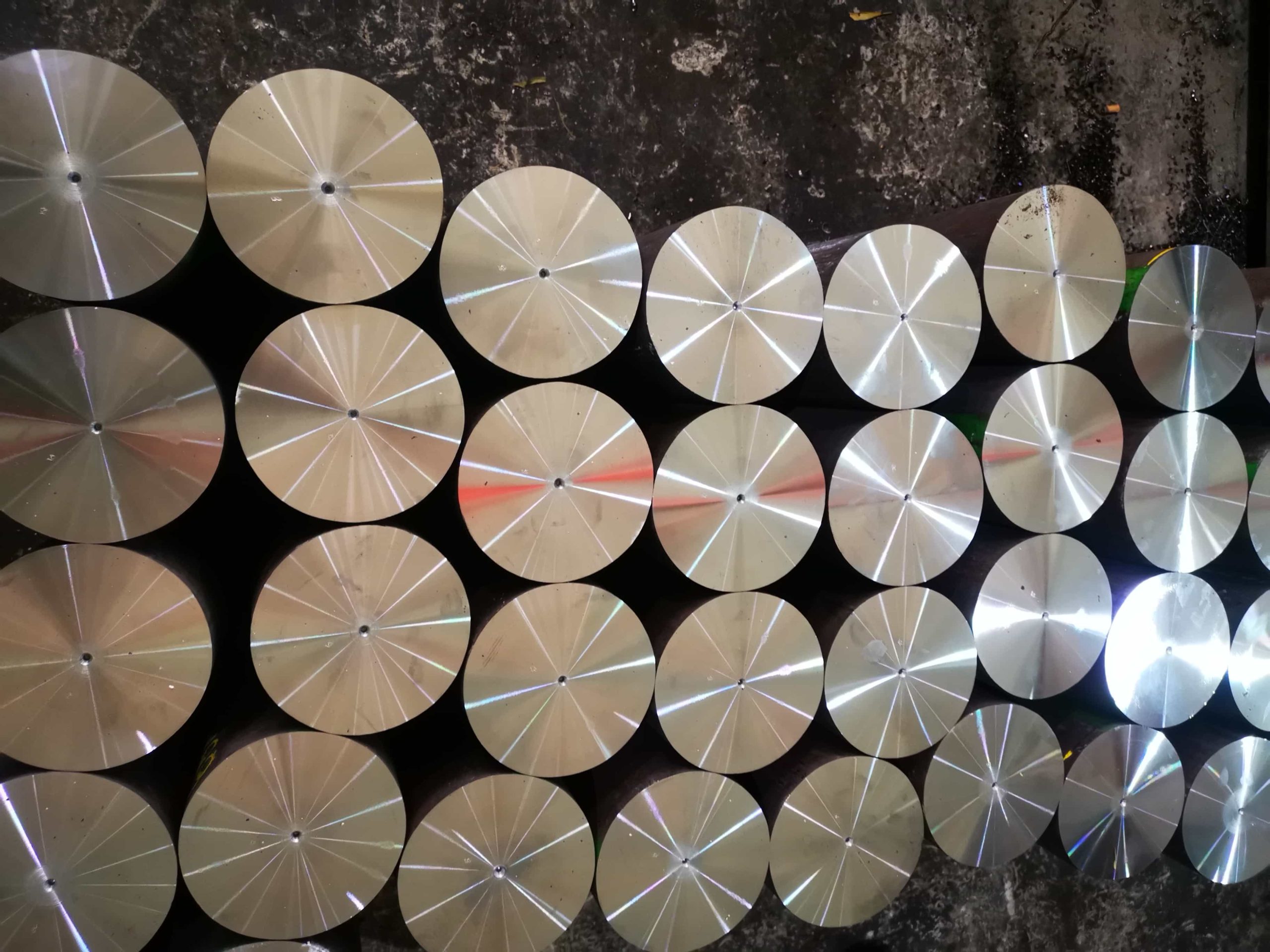
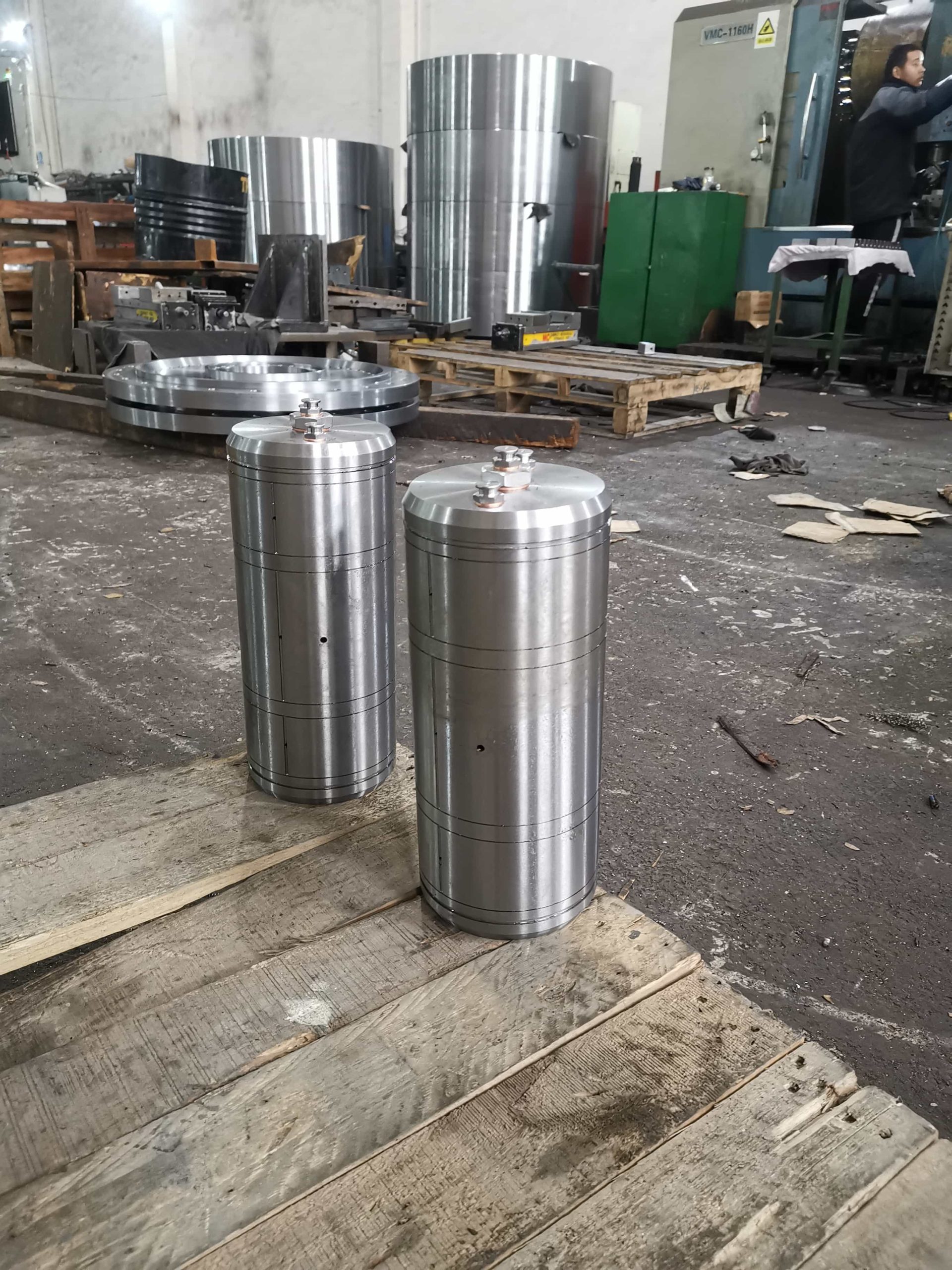






Purpose and classification of shafts
The main function of shafts: supporting rotating parts, transmitting motion and power
Classification by load bearing:
• Rotating shaft: bearing both bending moment and torque during operation
• Spindle: bearing only bending moment
• Transmission shaft: bearing only torque, not bending moment (or very small bending moment)
Classification by axis shape:
• Crankshaft: crankshaft connecting rod can realize the mutual conversion between rotational motion and reciprocating motion
• Straight shaft
• Optical shaft: simple shape, easy processing, few stress concentration sources; commonly used for spindles and transmission shafts
• Step shaft: easy to assemble and position parts on the shaft; commonly used for rotating shafts
Classification by whether it is solid:
• Solid shaft: general
• Hollow shaft: reduce the mass of the shaft; install other parts in the shaft for special requirements; occasions with particularly important functions; the inner and outer diameter ratio is generally 0.5 ~ 0.6
• Wire flexible shaft (wire flexible shaft): has good flexibility and can flexibly transmit rotary motion to a closed space
Main contents of shaft design
Structural design
Structural form
Dimensions
Work capacity calculation
Strength: In most cases, only strength calculation of the shaft is required
Stiffness: For shafts with high stiffness requirements and slender shafts with large forces, stiffness calculation should be performed
Vibration stability: For shafts running at high speeds, vibration stability calculation should be performed
Shaft materials
Carbon steel, alloy steel
Most commonly used 45 steel
Alloy steel usage scenarios: transmitting large power, requiring reduced size and mass, improving the wear resistance of the journal, and shafts working under high or low temperature conditions
At normal working temperatures (less than 200 °C), the elastic modulus of various carbon steels and alloy steels are similar, so when choosing the type of steel and determining the heat treatment method of steel, the basis is strength and wear resistance, not the bending or torsional stiffness of the shaft.
Various heat treatments (such as high-frequency quenching, carburizing, nitriding, cyaniding, etc.) and surface strengthening treatments (such as shot peening, rolling, etc.) have a significant effect on improving the fatigue strength of the shaft.
Shaft structure design
Shaft structure design: reasonable shape of the shaft + all structural dimensions
Shaft structure influencing factors:
1. The installation position and form of the shaft in the machine
2. The type, size, quantity and connection method of the parts installed on the shaft
3. The nature, size, direction and distribution of the load
4. Shaft processing technology
Shaft structure design requirements:
• The shaft and the parts installed on the shaft must have an accurate working position
• The parts on the shaft should be easy to install, disassemble and adjust
• The shaft should have good manufacturing processability
Questions you should pay attention to in ordering shafts
The transmission shaft is a core component of the mechanical transmission system. In fact, there are some things that need to be clarified before purchasing. The first is the specifications, such as the requirements for the diameter, length, material, surface treatment, etc. of the shaft. The second is the material. Commonly used materials include steel, aluminum alloy, titanium alloy, etc. Choose the appropriate material according to the needs and specifications. Another is the moment of inertia, which is a physical quantity that measures the ability of an object to maintain its original rotational state. When purchasing a drive shaft, you need to consider whether its moment of inertia meets your needs. If the moment of inertia is too large, it may cause instability during starting or shifting, and even vibration and noise. In addition, there are precision and tolerance. If the precision and tolerance are too large, it may cause problems such as vibration, noise and wear. Therefore, when purchasing a drive shaft, you need to pay attention to whether its precision and tolerance meet your needs. Finally, there is the issue of price.
1. High quality carbon structural steels such as carbon steel 35, 45, and 50 are widely used due to their high comprehensive mechanical properties, among which 45 steel is the most widely used. In order to improve its mechanical properties, normalization or quenching and tempering treatment should be carried out. For unimportant or less stressed shafts, carbon structural steels such as Q235 and Q275 can be used.
2. Alloy steel has high mechanical properties, but it is more expensive and is often used for shafts with special requirements. For example, for high-speed shafts using sliding bearings, low-carbon alloy structural steels such as 20Cr and 20CrMnTi are commonly used. After carburizing and quenching, the wear resistance of the shaft neck can be improved; The rotor shaft of the machine must have good high-temperature mechanical properties when working under high temperature, high speed, and heavy load conditions. Alloy structural steels such as 40CrNi and 38CrMoAlA are often used. The blank of the shaft is prioritized by forgings, followed by steel; For larger sizes or more complex structures, cast steel or ductile iron can be considered. For example, using ductile iron to manufacture crankshafts and camshafts has the advantages of low cost, good vibration absorption, low sensitivity to stress concentration, and good strength. The mechanical model of an axis is a beam, and most of it needs to rotate, so its stress is usually symmetric cyclic. The possible forms of failure include fatigue fracture, overload fracture, and excessive elastic deformation. Usually, some parts with wheels need to be installed on the shaft, so most shafts should be made into stepped shafts with a large cutting amount.