

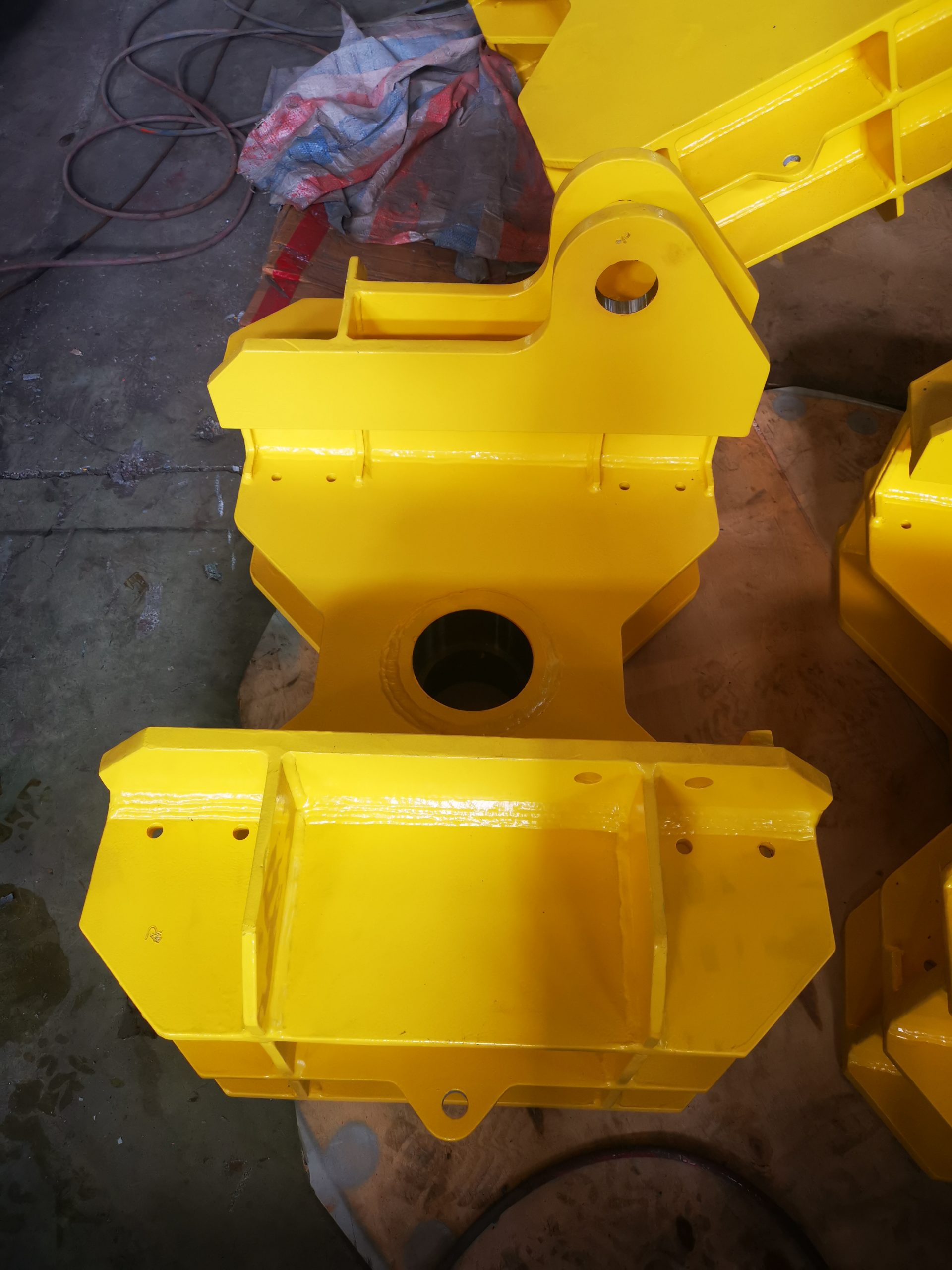
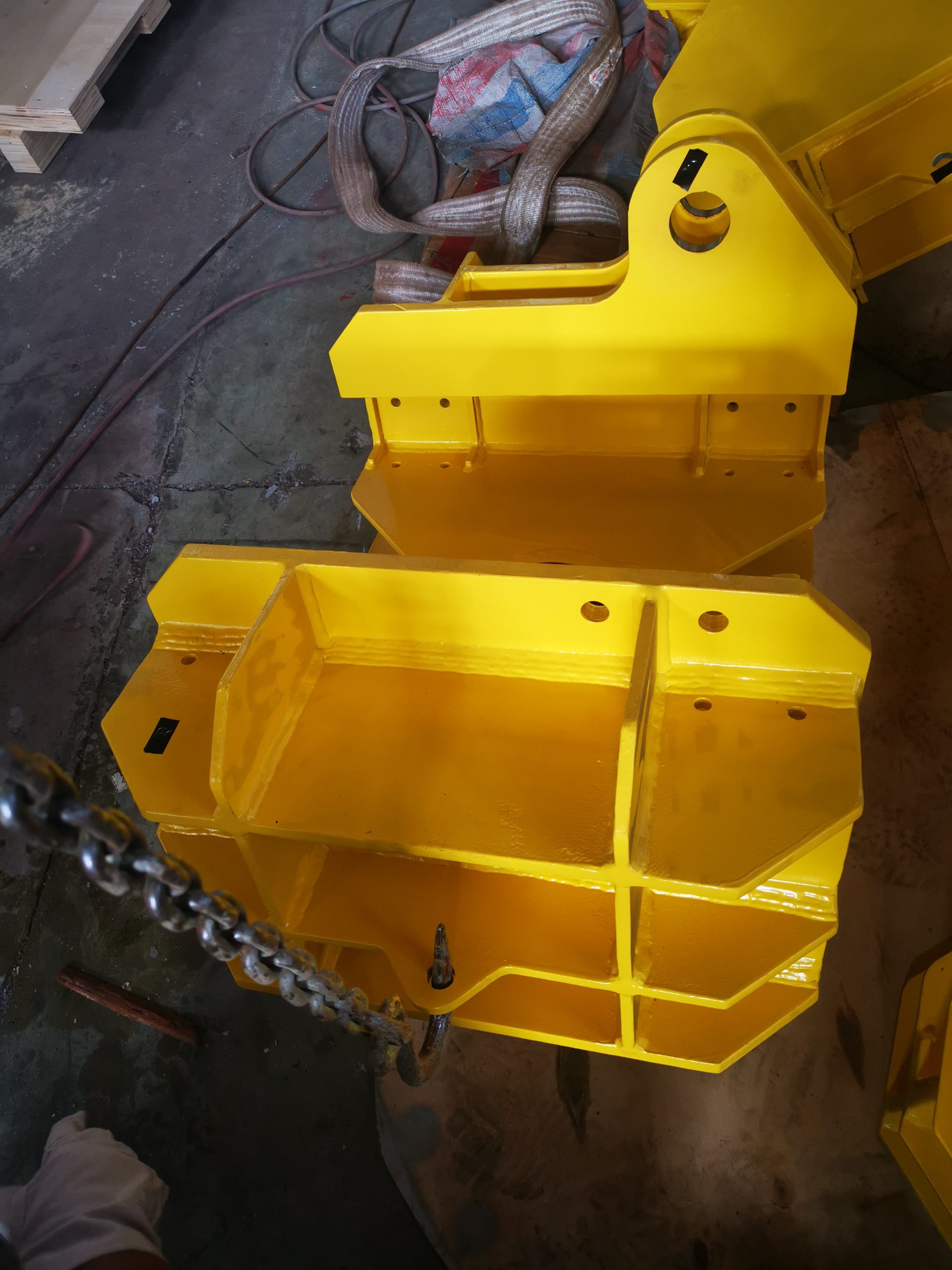
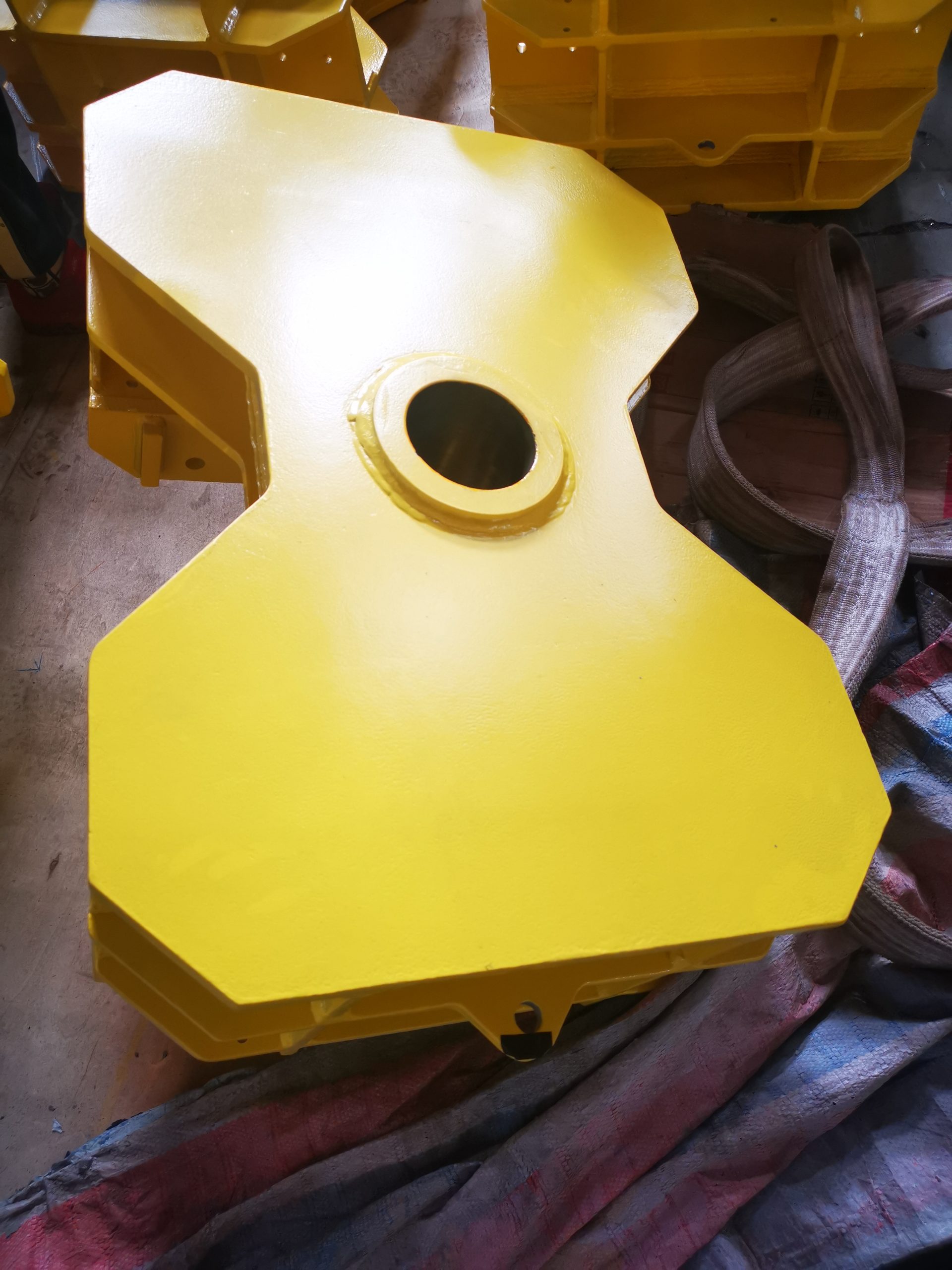
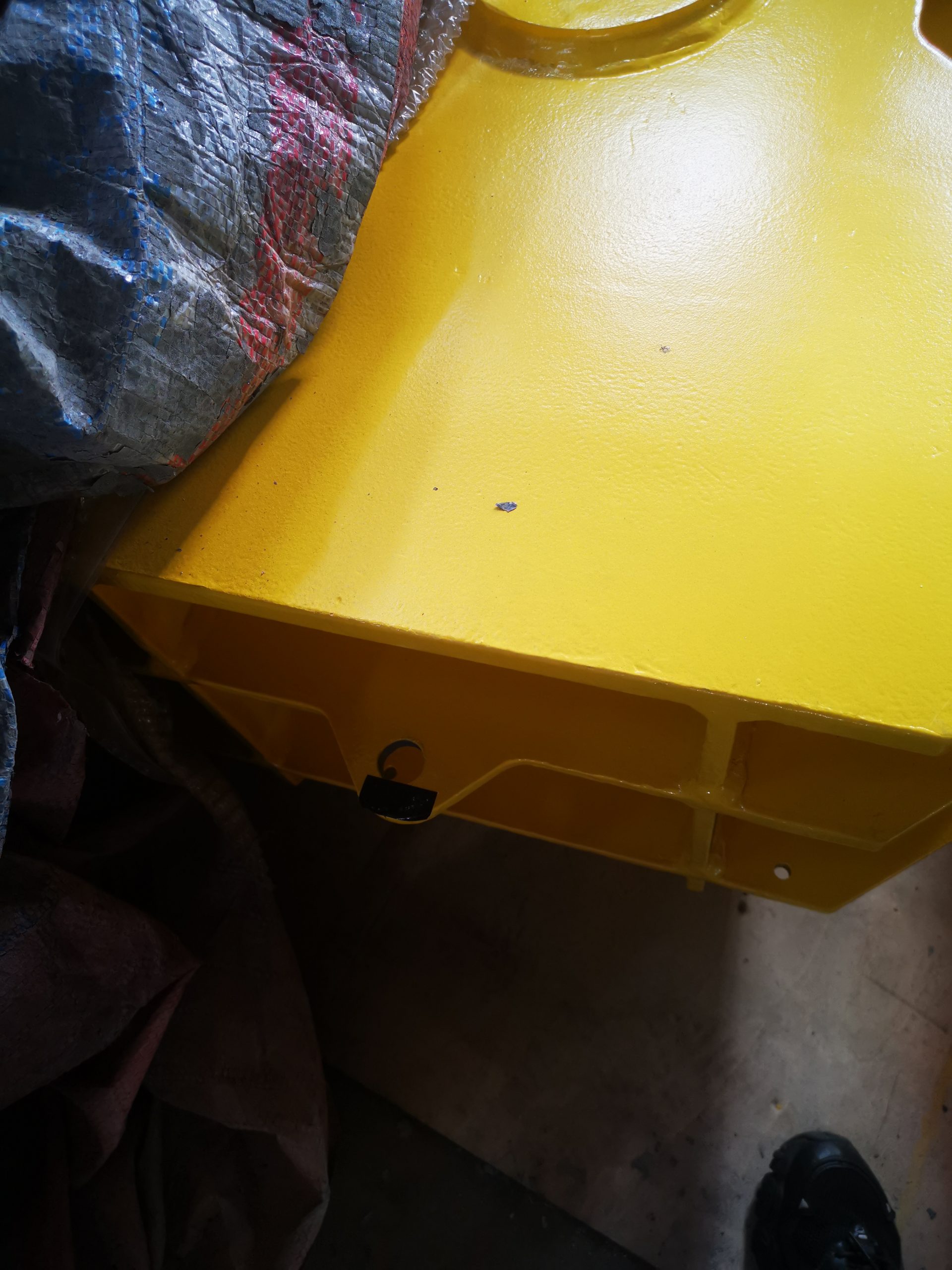


Product Details
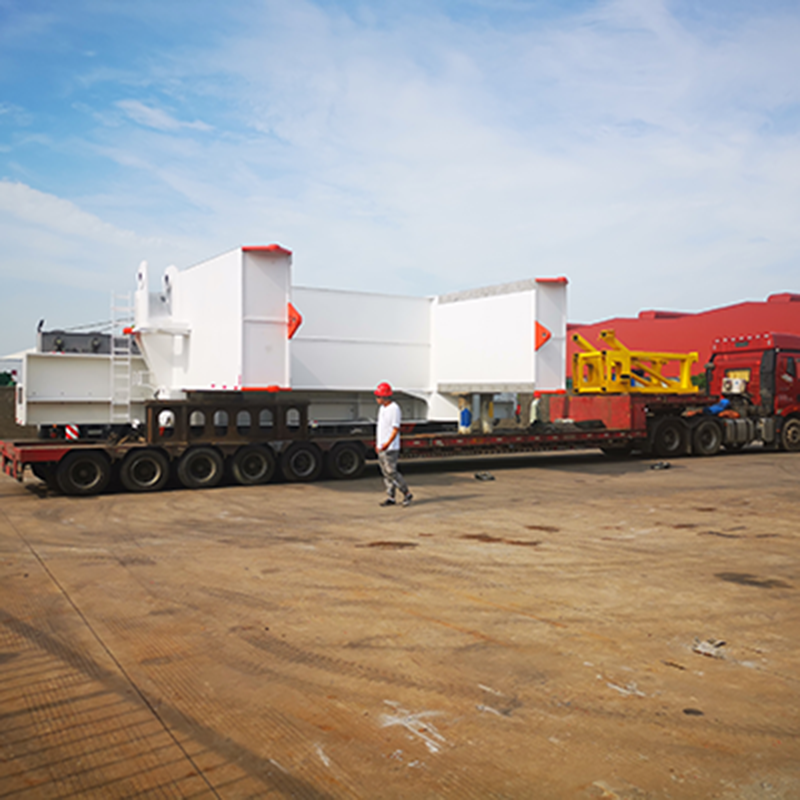
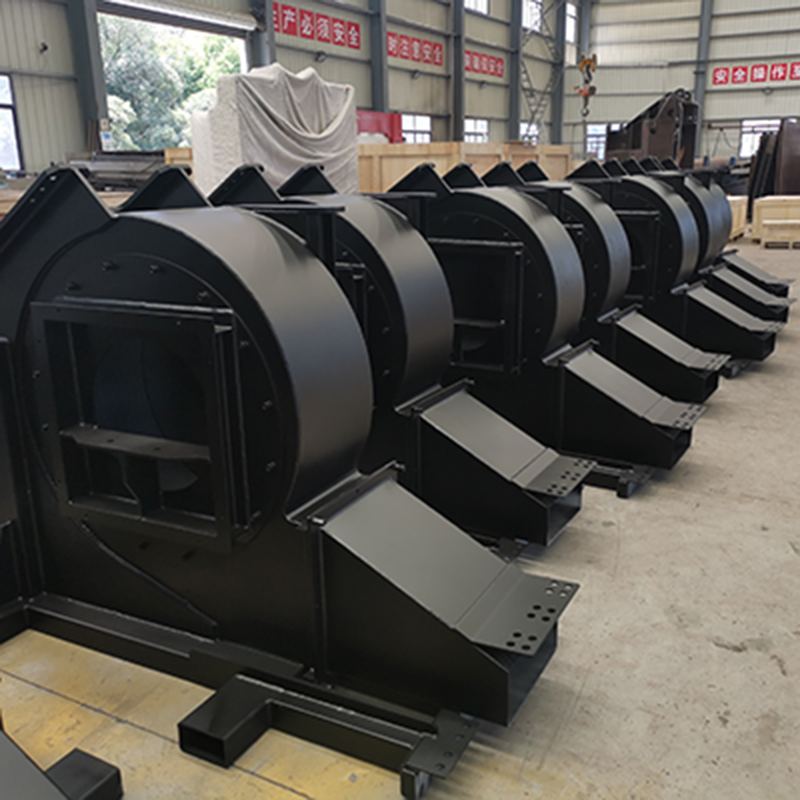
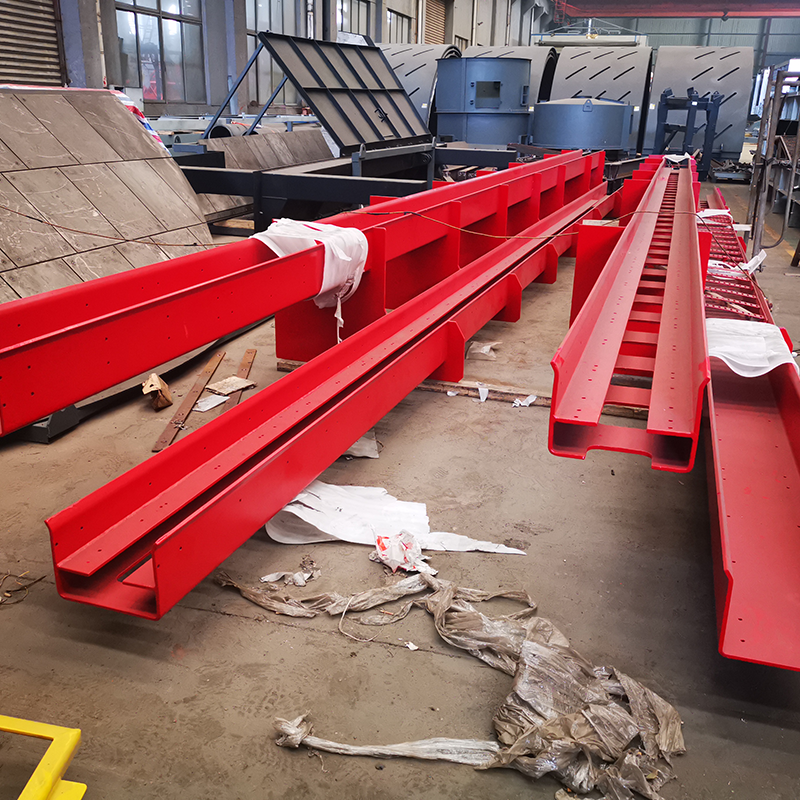
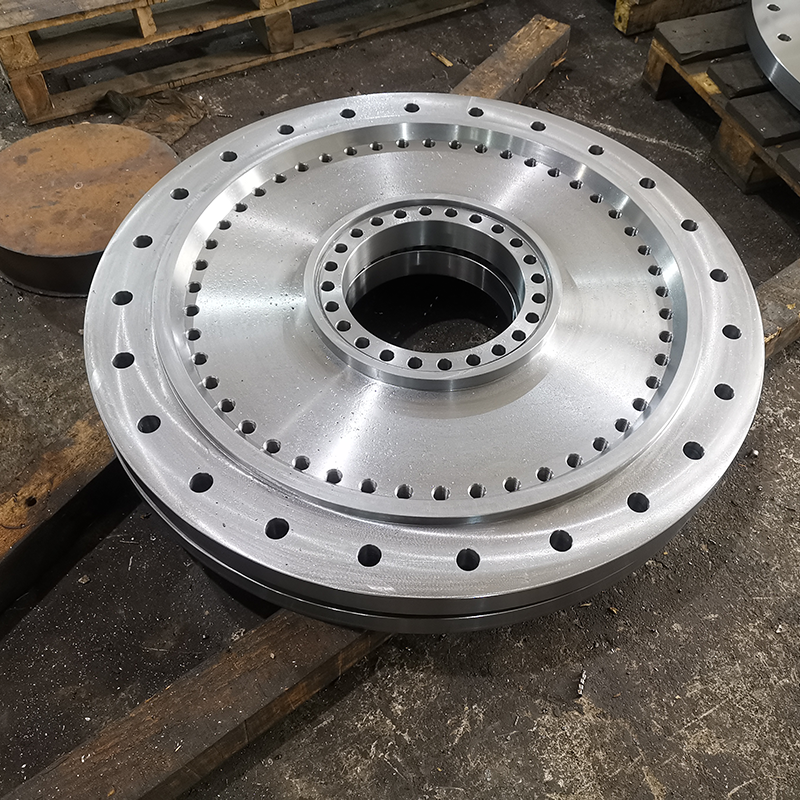
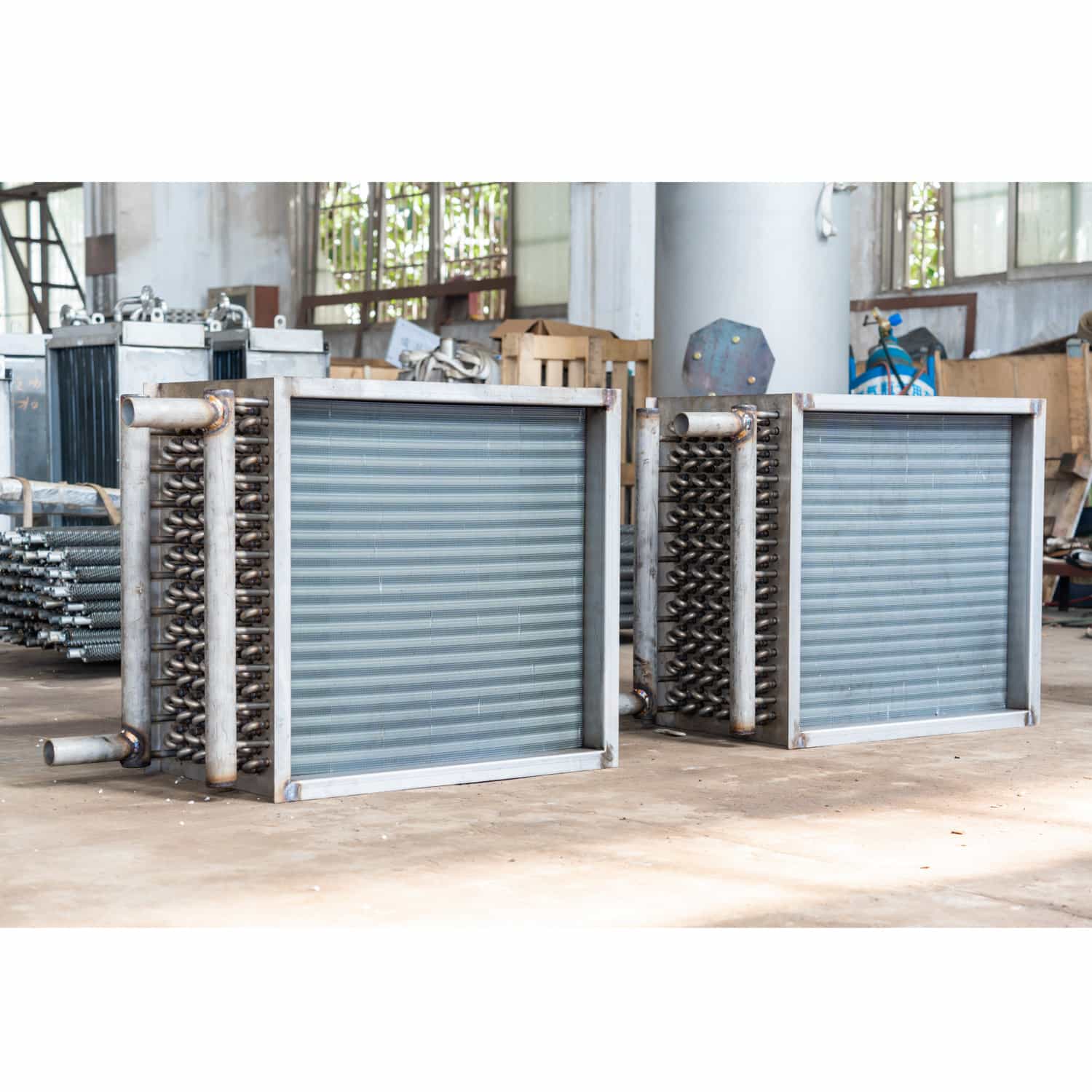
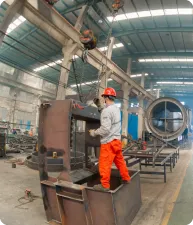
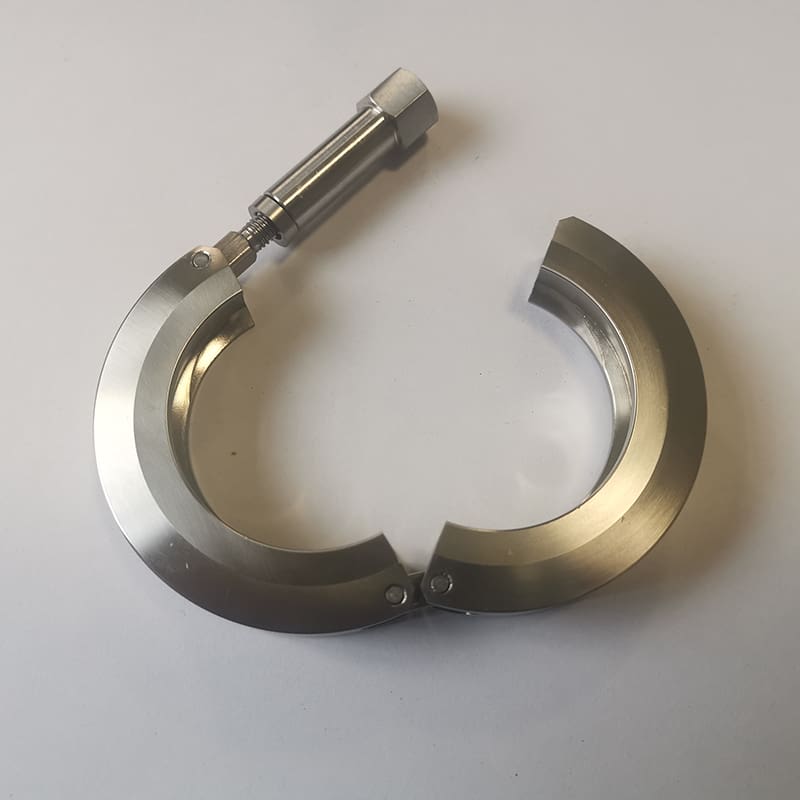
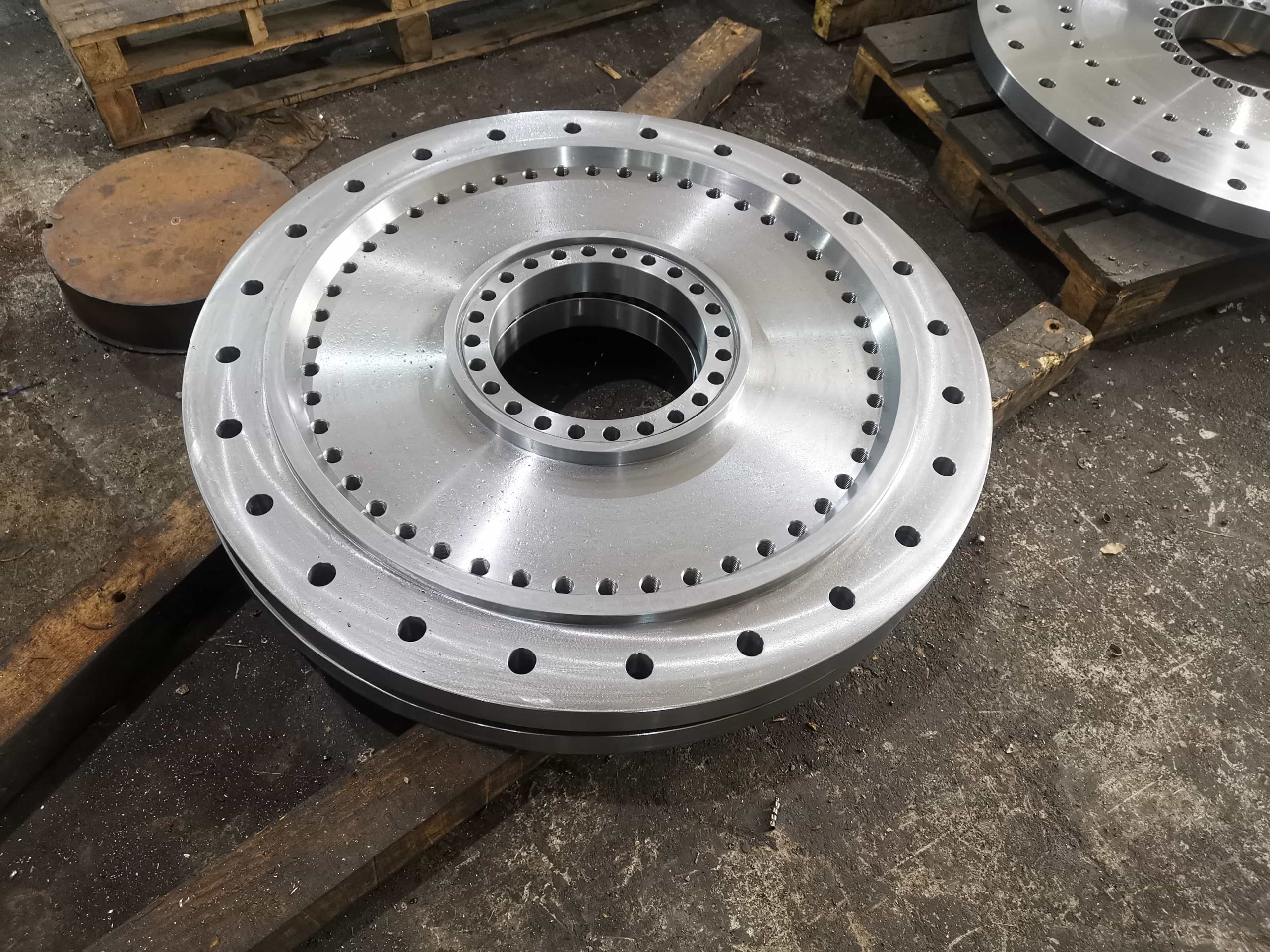
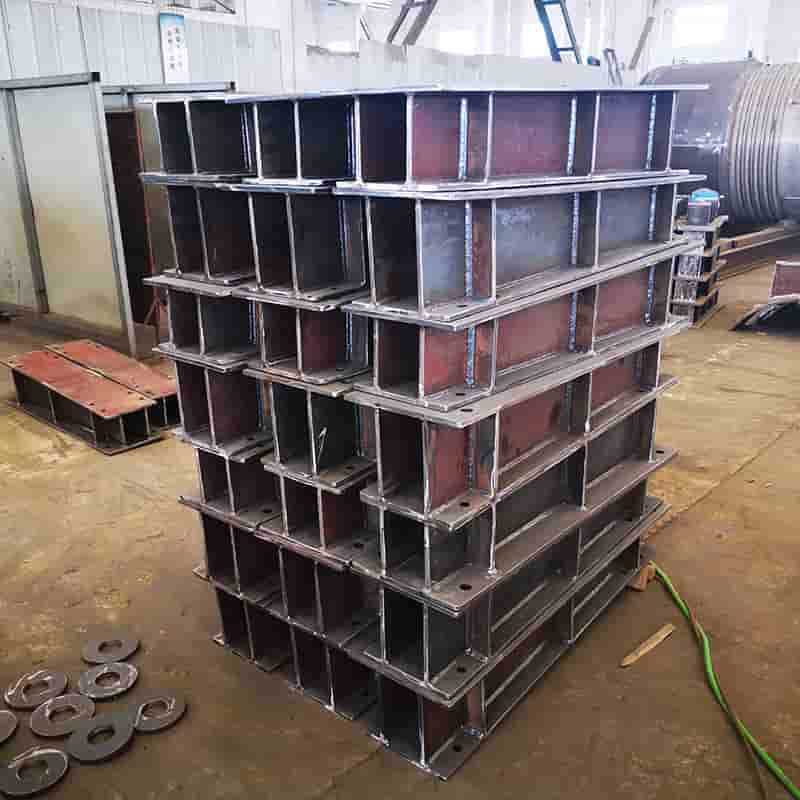
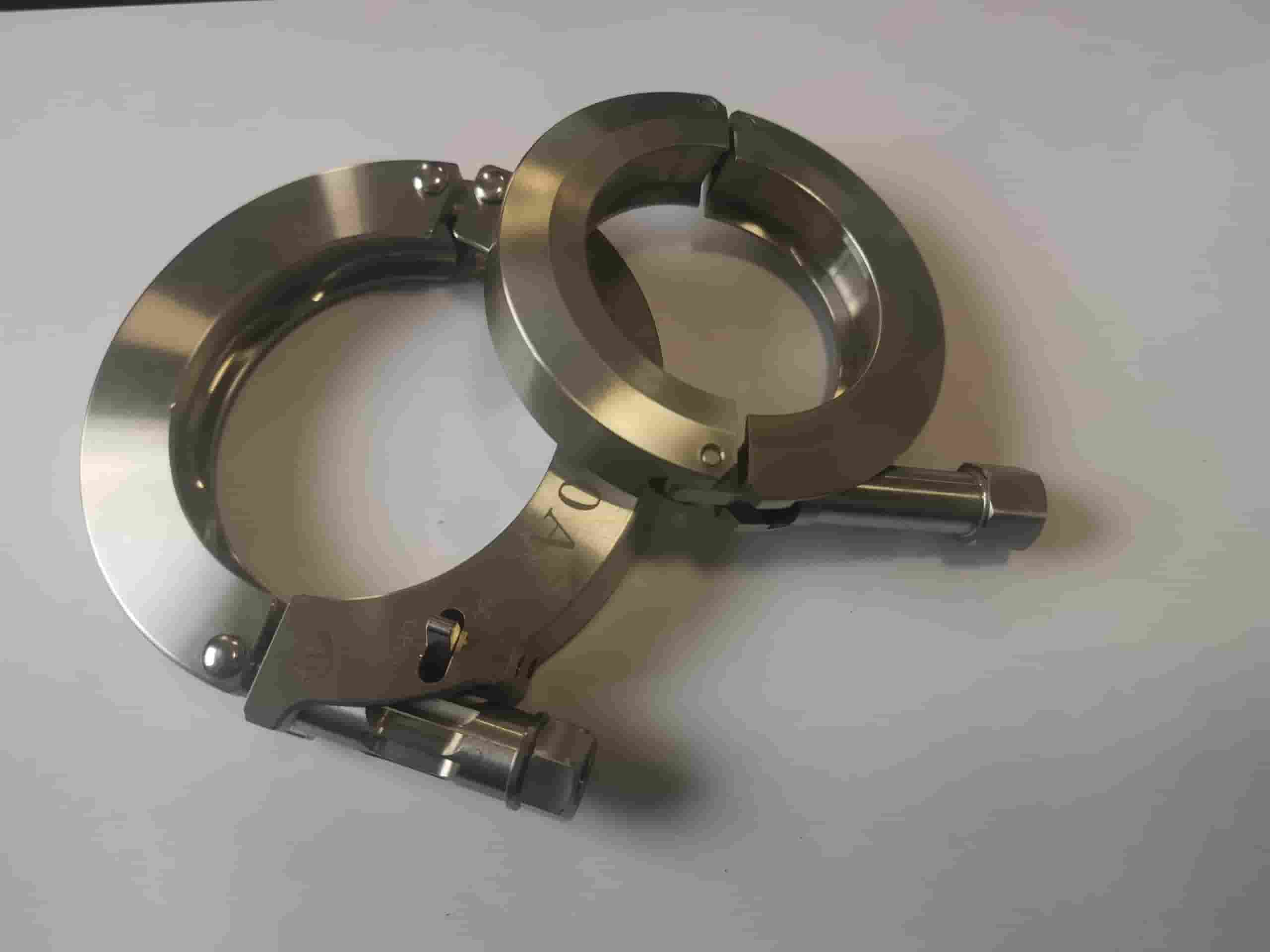
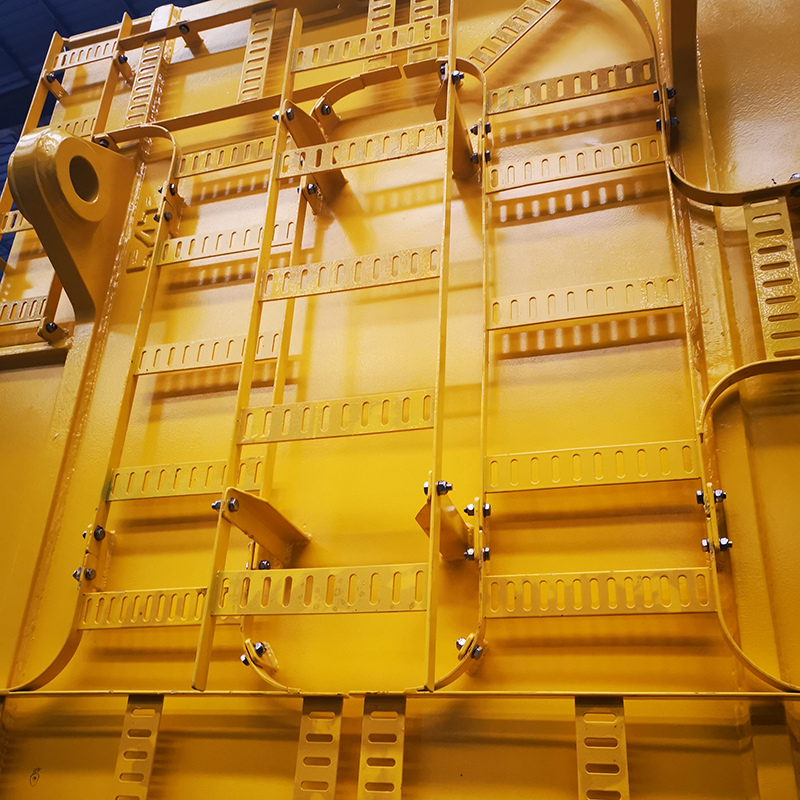
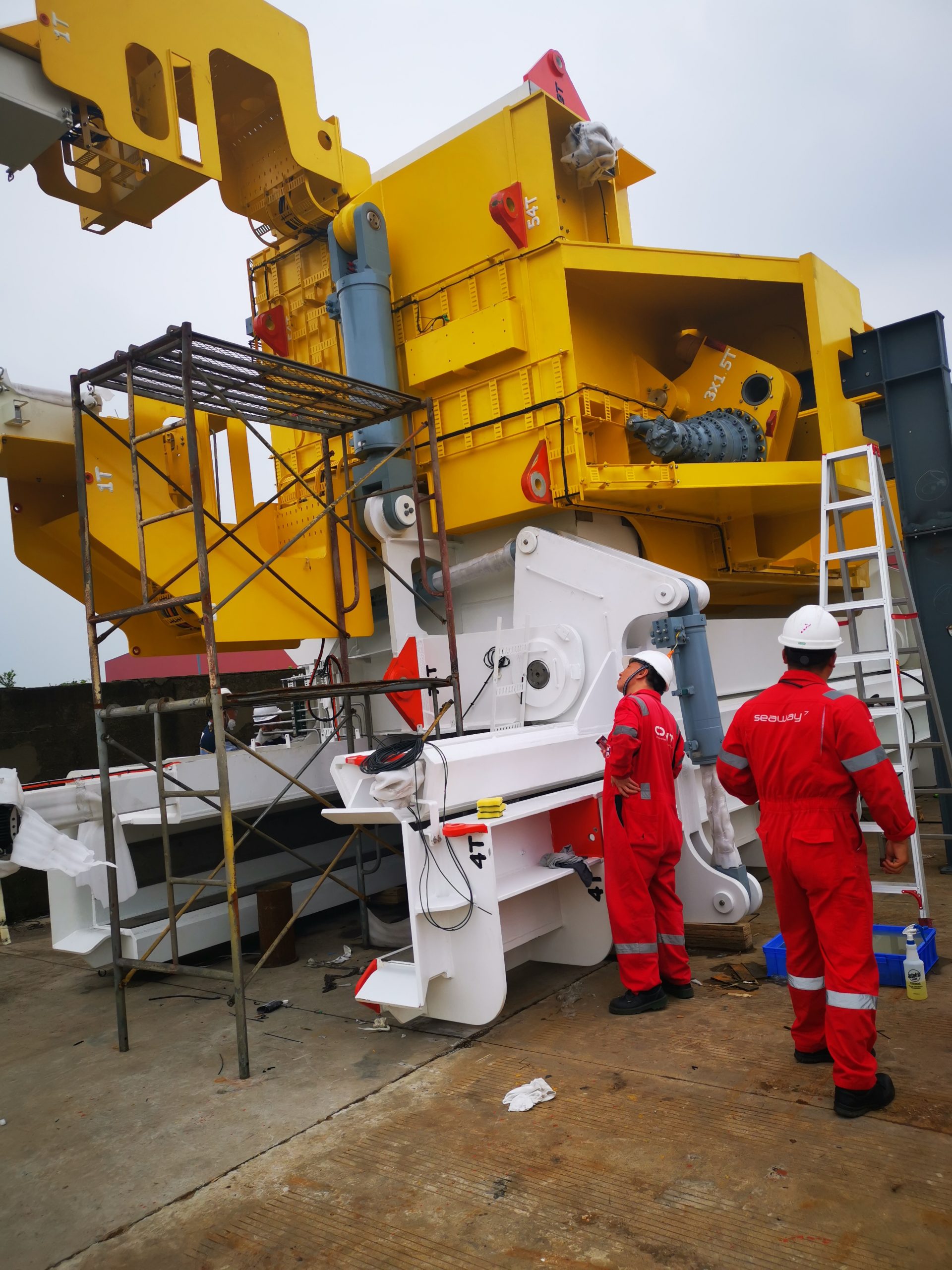
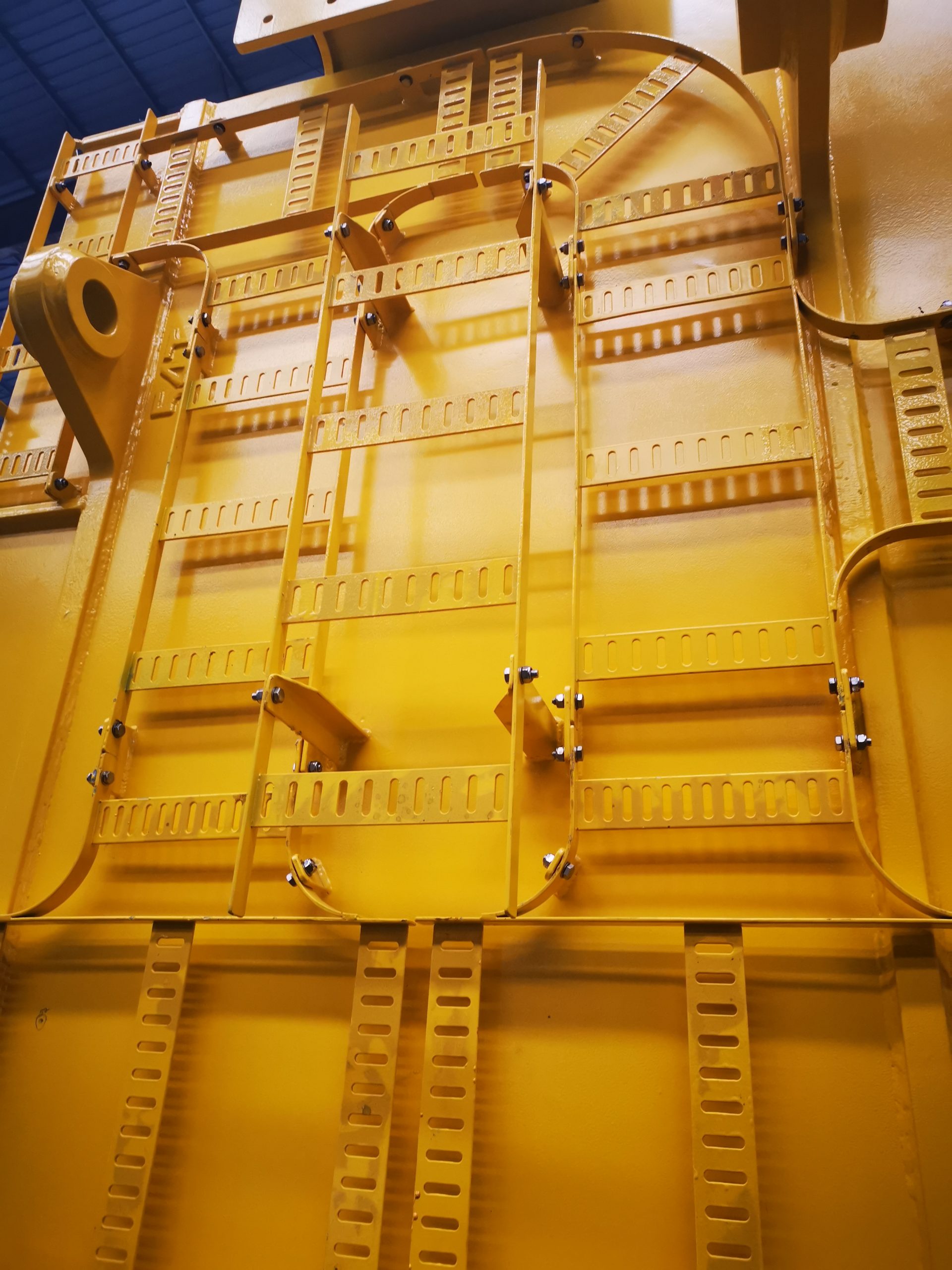
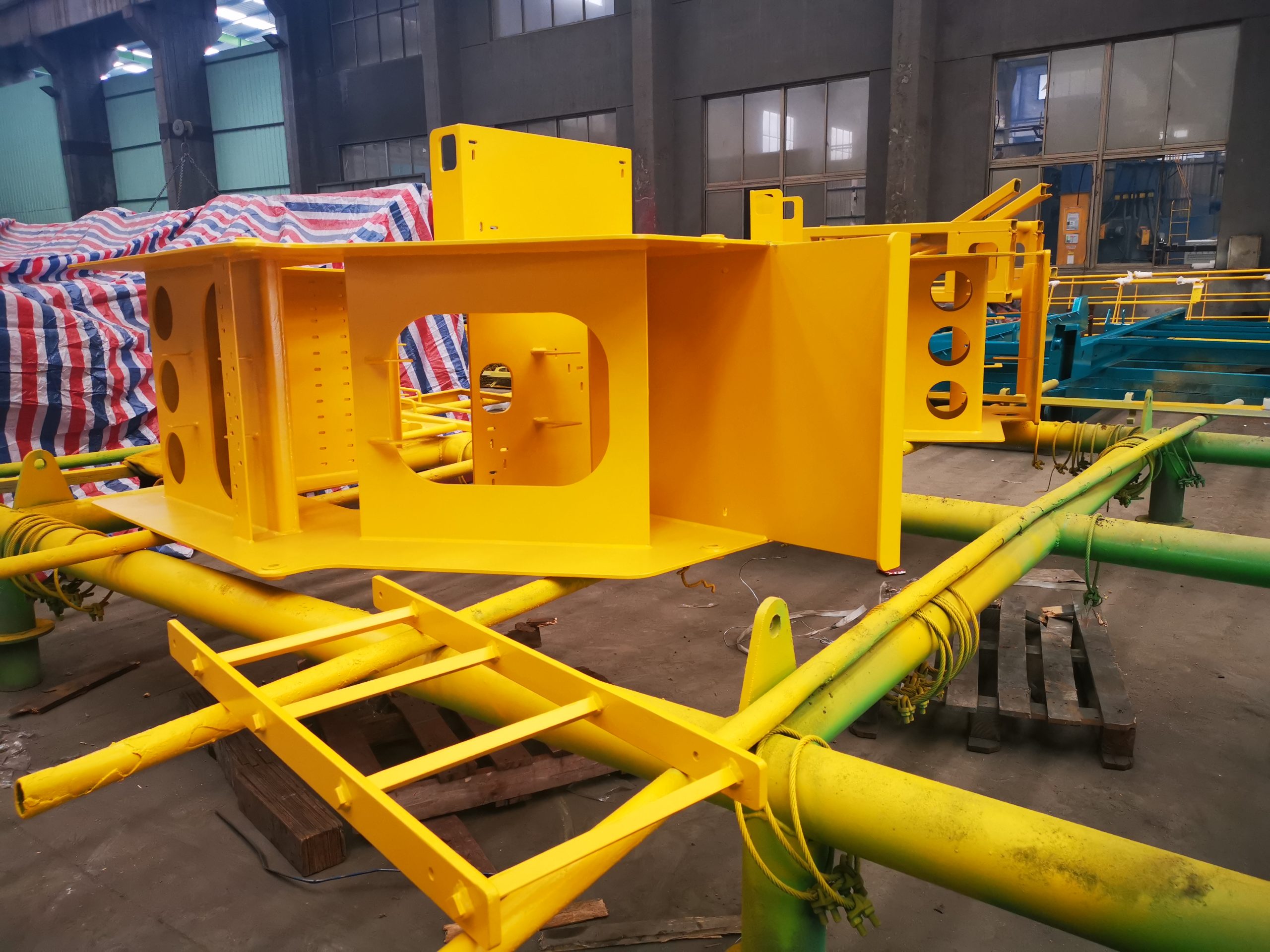
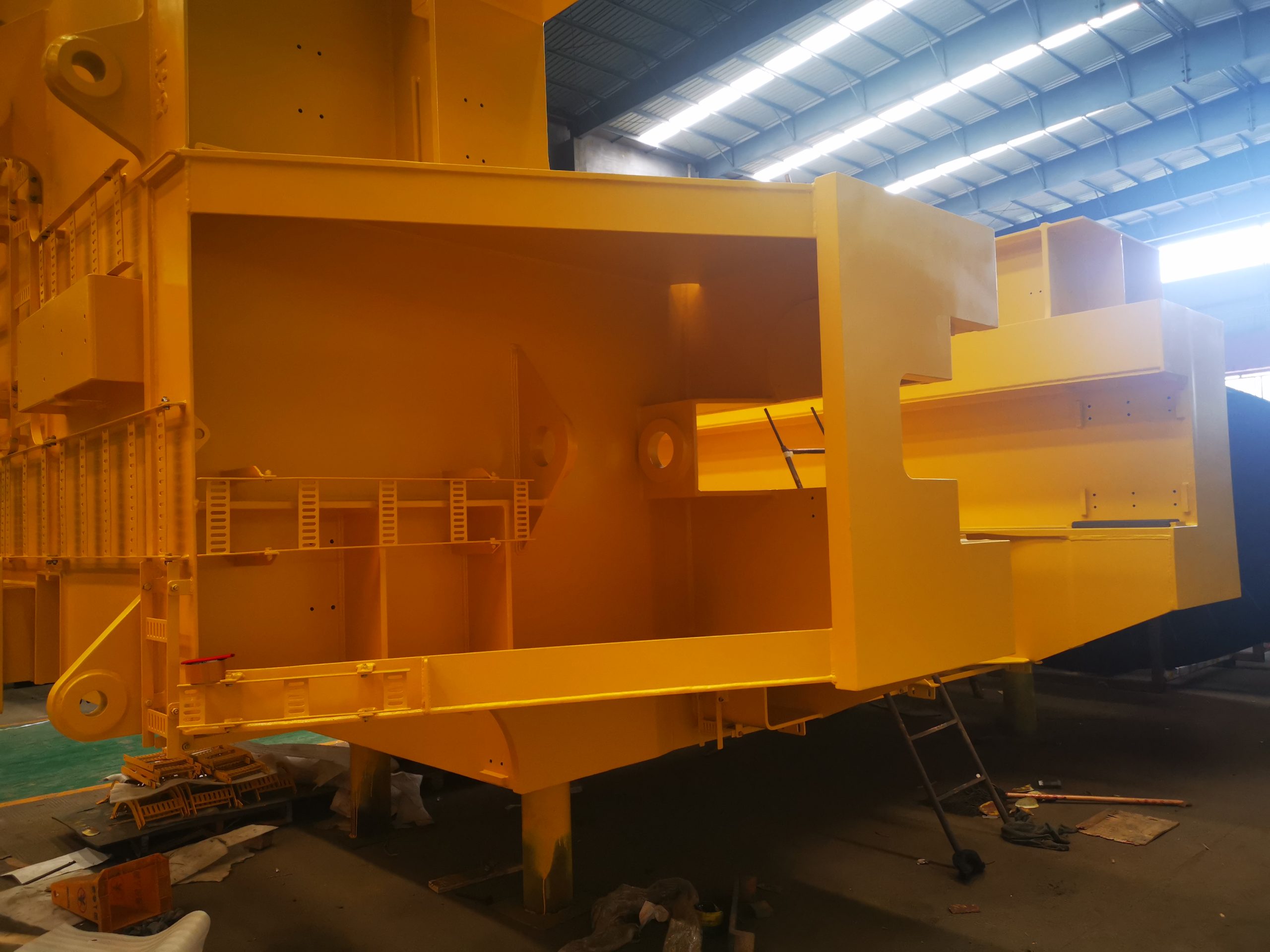
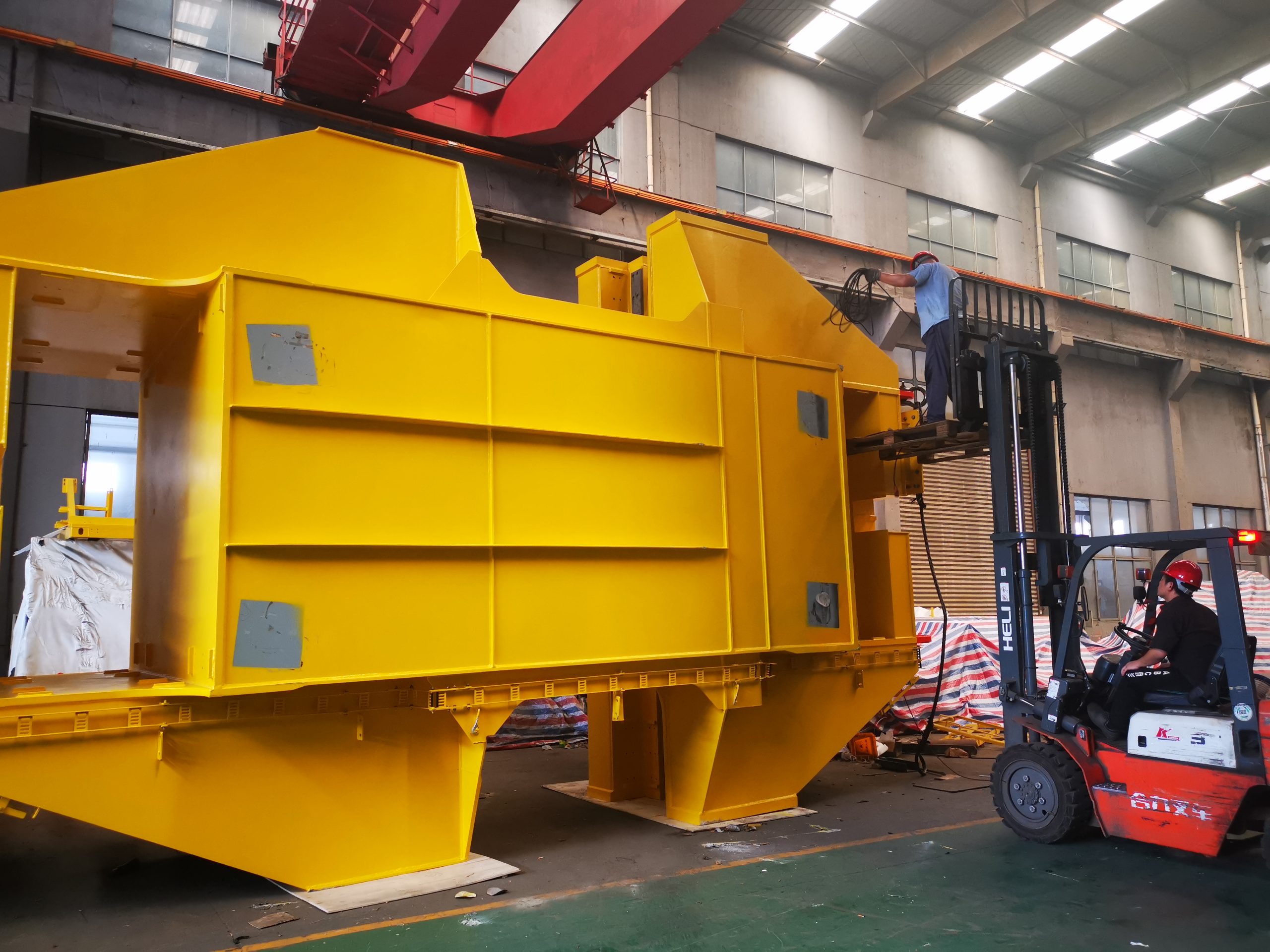
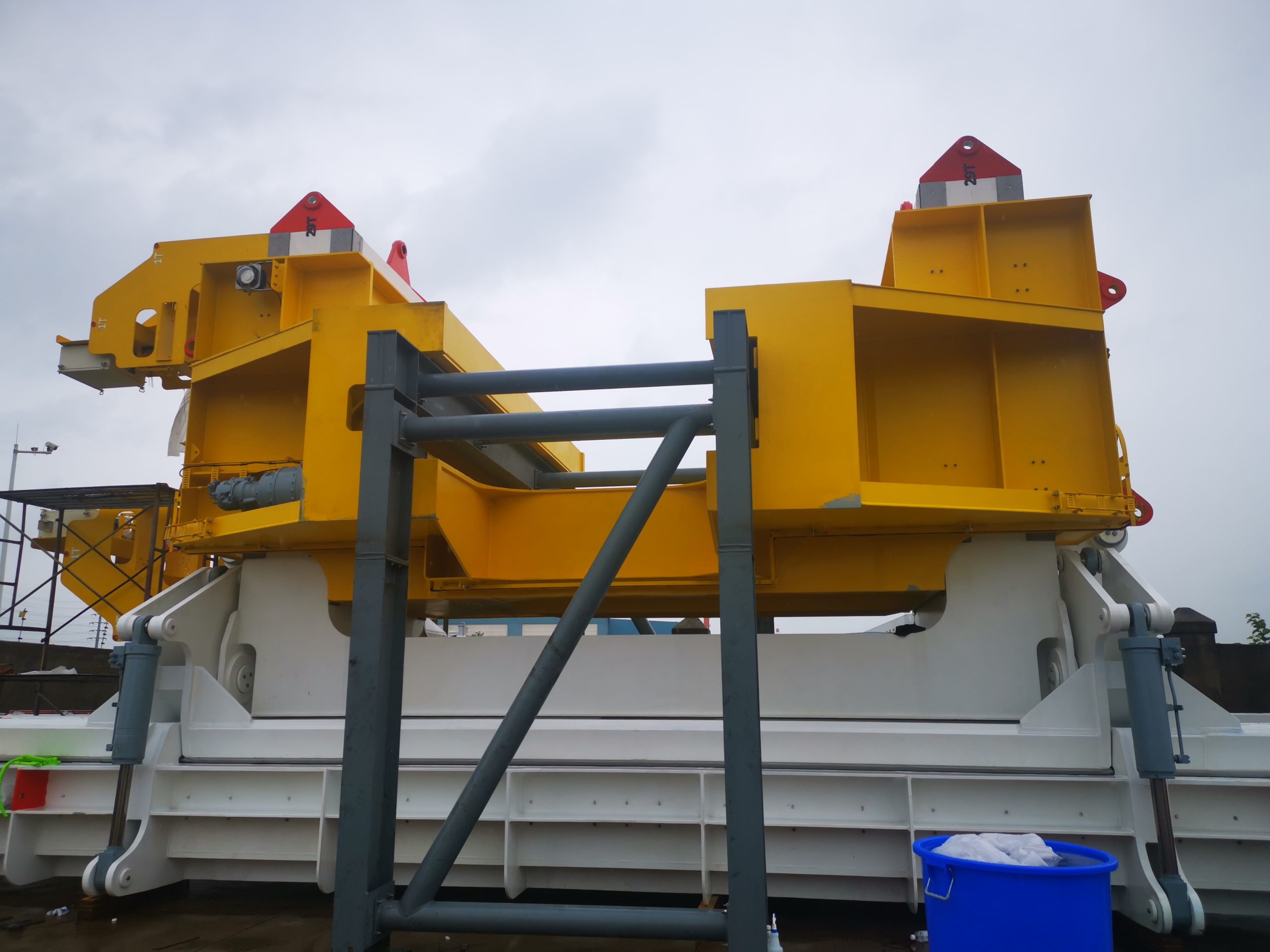
Our company’s Crane Housing is widely and deeply used in many fields such as high-rise building construction, heavy equipment installation and port cargo loading and unloading due to its high-strength materials, excellent protection performance and easy maintenance. Our company’s Crane Housing has helped customers achieve many improvements such as improving equipment stability, reducing failure rates and improving operational safety, helping them improve the operating efficiency of products and projects, improve safety and reduce operating costs. In order to achieve these changes, our company has improved and optimized the material quality, structural design and coating protection of Crane Housing through long-term product research and technology improvement; at the same time, we will regularly communicate with customers on technical needs, market feedback and product improvement suggestions to obtain the latest market needs and current market pain points, so as to improve our company’s customized product processing capabilities.
Components of marine cranes:
Suspension rod device
It is composed of a suspension rod, a lifting column (or mast), rigging, and a winch (or cargo crane). The boom device is a traditional cargo lifting equipment on ships. Although there are many ropes and the operation is complicated, it has been widely used due to its simple structure, easy manufacturing, and low cost.
Single lever operation and double lever operation
There are two ways to load and unload goods using a suspension rod device: single rod operation and double rod operation. Single pole operation is the use of a suspension rod for loading and unloading goods. After the suspension rod lifts the goods, pull the drawstring to swing the goods outward or towards the cargo hold, then lower the goods, and then turn the suspension rod back to its original position, so as to operate back and forth. During loading and unloading, the suspension rod needs to be swung with a drawstring every time, resulting in low efficiency and high labor intensity. The double pole operation operates on two suspension rods, one placed above the cargo hold and the other extending outward. The two suspension rods are fixed to a certain working position with ropes. The lifting ropes of the two suspension rods are connected to the same hook. As long as two cargo ropes are received and released separately, the goods can be unloaded from the ship to the dock or loaded onto the ship from the dock. The loading and unloading efficiency of double pole operation is higher than that of single pole operation, and the labor intensity is also lighter.
Double weight cable suspension rod device and Ebel suspension rod device
The improved suspension rod device emerged later. The double weight rope suspension rod device is an improved version of a single rod operated suspension rod device, which only includes a cargo rope and two sets of left and right separated weight ropes. The suspension rod is operated by one cargo winch and two thousand weight cable winches, which is convenient to operate and has high loading and unloading efficiency. The Eber suspension rod device is an improved version of a double rod operated suspension rod device, which includes a cargo winch, a jack rope, and a drawstring winch. The suspension rod can be quickly placed in any position with the help of a winch. At the same time, it is also possible to lift and place goods at designated points within the working radius of the boom, in order to improve loading and unloading efficiency. This is an important step towards fully automated cargo handling.
Product Specifications
Material: High-strength alloy steel
Surface coating type: Anti-corrosion coating
Tolerance range: ±0.02mm
Processing method: Precision forging and welding technology
Quality inspection: Ultrasonic flaw detection and load testing
Marine deck cranes – used for efficient loading and unloading of cargo ships
Marine deck cranes are installed on bulk carriers, supply ships, container ships, refrigerated ships and other ships. They are mainly used to lift cargo or personnel and transfer them to other locations. Marine deck cranes greatly improve the efficiency of offshore operations and transportation. Their safety factor is much higher than that of land cranes, and they can adapt to complex offshore environments.
Marine deck cranes must have sufficient strength and stability for each load. They are made of high-strength steel plates. The main components include wire ropes, pulleys, booms, hooks, bases, etc. They can be fixed on the ship deck by flanges or welding. During operation, it is necessary to ensure that the ship, crane, boom or other lifting device and supporting structure have sufficient strength to withstand the load brought by operation under large load torque. In addition to the strength and stability of the crane, factors of the offshore environment, such as heel and pitch, must also be considered. Cranes that meet sea conditions can be put into use!
Marine cranes and related accessories need to meet the certification requirements of classification societies, and the certification needs to be consistent with the ship, such as ABS, CCS, BV, etc. The welding process of marine deck cranes is also very important. It must comply with relevant standards and also ensure aesthetics. During the certification process of classification societies, the welding process will also be inspected.
Query-side Container Crane
1. Comprehensive Overview
The shore container crane is a specialized crane for loading and unloading container ships at the forefront of container terminals, mainly using specialized container lifting equipment to complete container loading and unloading operations. To adapt to the loading and unloading of heavy cargo on individual container ships, some shore container cranes are equipped with heavy cargo hooks, while a few port shore container cranes have two functions: container loading and unloading and grab loading and unloading. By replacing the lifting equipment, the switching of loading and unloading between bulk cargo and containers can be achieved.
2. Mechanical structure
A shore bridge usually consists of metal structures, main structures, electrical systems, hydraulic systems, lifting equipment, machine rooms, ladder platforms, safety devices, and other parts. The metal structure mainly consists of several parts, including the main beam (front and rear beams), beam hinge points, tie rod systems, and gantry systems. The main structure includes lifting, pitching, trolley, crane, and related wire rope winding systems.
The form of shore container cranes depends on their operational characteristics and functions. At present, shore container cranes around the world exhibit different styles due to differences in manufacturing plants and terminals, but their basic forms do not differ much. The front boom, main beam and rear boom are supported by the sea side and land side door frames, and suspended by the front and rear pull rods connected by trapezoidal frames. The sea side and land side door frames are connected by slant support and door frame beams. The traveling trolley suspends the special container spreader through the lifting wire rope, and runs forward and backward along the track installed on the front boom, main beam and rear boom. The driving mechanism and electrical equipment are generally placed on the main beam or rear boom. To facilitate the driver’s operation, the cab is generally arranged at the lower rear of the traveling trolley and runs with the trolley.
3. Electric control system
1) Power supply system
High voltage: (2-24kV, 3PH, three-phase four wire system), most of which are high-voltage reel cables. High voltage connection boxes need to be installed during the construction of the dock foundation on the sea side track side.
Drive voltage: Select the appropriate voltage level based on the brand of the electronic control supplier. Generally, a universal higher voltage level is used for easy maintenance in the later stage. Using a higher driving voltage can reduce line losses.
Auxiliary voltage: (400VAC, 3PH)
Lighting voltage: (230VAC, 3PH)
The driver’s cab is generally powered by a trailer, drag chain, or sliding contact wire. The large vehicle is powered by reel cables and sliding contact wires. Emergency power sockets are generally installed in the computer room.
2) Drive system
AC variable voltage/frequency converters are provided on the crane to control the motors of the lifting, pitching, trolley and crane operating mechanisms, achieving fast, smooth, and accurate container loading and unloading operations. The main drive system is generally located in an electrical room with air conditioning and heating, with constant temperature and humidity throughout the year.
The drive system is integrated with power factor compensation function, which can make the power factor of the crane greater than 0.9 during operation, and has harmonic suppression function to reduce harmonic interference.
3) Control system and low-voltage power supply and distribution
As the control core of cranes, the vast majority of detection, control, and interlocking are completed by PLC. At present, common PLC suppliers for port machinery and electrical control in the world include Siemens from Germany, ABB from Switzerland, Yaskawa from Japan, Fuji from Japan, and Harvest from Korea. Although there are already brands of port machinery, most of the electronic control systems are still imported parts. Currently, domestic electronic control systems are represented by Huichuan.
4. Safety measures
Electrical interlocking, such as emergency stop signals. Pitch protection. Car protection. Big car protection. Grounding and lightning protection. Wind protection. Earthquake protection. Overspeed protection. Overload protection. Saddle beam protection. Beam protection. Big car collision prevention.
5. Conventional subsystems
Ship type scanning system, load positioning system, container guidance system, operation video monitoring system, container anti lifting system, etc.
6. cutting-edge technology
An intelligent smart port system supported by various technologies such as artificial intelligence, cloud computing, and big data. It is due to the application of F5G technology (Fifth Generation Fixed Network) in port ultra remote control operation scenarios.
7. Outlook
The development trend of shore bridges mainly includes the following points:
1) Large scale
At present, the forward extension distance of the shore container crane has reached 70 meters, the backward extension distance has reached 25 meters, the track gauge is generally set at 26-30 meters, and the lifting height has reached 48-52.5 meters, which is commonly known as the super Panamanian model.
While container terminal users are constantly pursuing shore container cranes with increased front and rear extension, rail gauge, and lifting height, they also demand that the productivity of this ultra Panamanian model cannot be reduced or even improved. To meet this requirement, the main technical parameters, especially the speed parameters, have been correspondingly improved. The lifting speeds under full load and no load are 90 meters per minute and 180 meters per minute, respectively. The running speed of the trolley is 240 meters per minute, and the rated lifting capacity is 65-70 tons.
2) Diversification
The demand for quay bridges from global container terminal users is related to many factors such as local climate, geographical environment, terminal capacity, loading and unloading processes, and horizontal transportation equipment. Therefore, the diversification of quay bridges is an inevitable direction for future development, such as lowered beam quay bridges, self balancing quay bridges, semi-circular beam quay bridges, gooseneck quay bridges, telescopic beam quay bridges, earthquake resistant quay bridges, and double trolley quay bridges for automated operations.
3) Efficient
How to reduce the berthing time of container ships at the port, especially how to achieve fast loading and unloading after the ship becomes larger, is an urgent problem that container terminals need to solve. In recent years, the use of double trolley and double lifting equipment for shore bridges has been widely used in major ports. At present, a joint operation scheduling algorithm for multiple shore bridges has been developed, further improving the loading and unloading efficiency of shore bridges.
4) Energy conservation and environmental protection
peak carbon dioxide emissions and carbon neutrality The shore bridge adopts new energy technologies, such as lithium battery energy storage, and some equipment has installed photovoltaic power generation devices on the roof of the computer room for auxiliary equipment power supply, truly achieving low-carbon environmental protection.
5) Automation
There are already many ports in the world that have achieved full automation. Early European cities such as Rotterdam and Hamburg, and in recent years, cities such as Qingdao, Shanghai Yangshan, and Singapore have all demonstrated the intelligence of ports.
Maintenance of Crane Boom
Marine cranes are common mechanical equipment in ship transportation and offshore platform engineering. They are large-scale lifting machinery. We should pay attention to maintenance during the use of marine cranes, because this is the main way to extend the life of marine cranes. The better the maintenance, the longer the use time. If the maintenance is not good or the operation is improper, the life of the crane will be shortened, and there will also be hidden dangers and dangers of failure. Therefore, we must pay attention to the maintenance of marine cranes!
Marine cranes must always be in a safe operating state. Visual inspections must be carried out every day. All faults and repairs found must be recorded and archived for this purpose. The basic requirements for inspections are frequent and regular. Frequent means every day or every month, and regular means daily and monthly maintenance. Marine cranes are also subject to annual inspections. After using the crane for 12 months, users should ask the certification company to conduct a comprehensive inspection of the crane.
Based on safety considerations, carefully check each defect. In the event of a fault, the crane should stop working and repair it, and record the fault. Before any repair, the manufacturer should be notified to obtain advice on repairs. The inspection record also includes reports during maintenance, and the date must be indicated. Whether it is monthly, quarterly or annual, all records must be properly kept by the operator. The maintenance of marine cranes must be done by a certified crane operator or staff provided by the manufacturer.
Maintenance of the main components of marine cranes are as follows:
Wire rope maintenance
Daily-monthly
- Check whether the wire rope on the winch is on the drum and is intact.
- Check the wear of the wire rope, especially the edges of the plates and holes, clean the corrosion and rust on the surface, and consult an expert if you have any questions.
- Check other abnormal conditions, such as twisting, fuzzing, etc.
- Check the end and safety of the rope.
- Check the lubrication of the wire rope.
Every three months
If you work under abnormal conditions, ask the supplier to check the crane wire rope.
Yearly
Replace the crane wire rope
Depending on the condition of the wire rope, decide whether to discard the original wire rope.
- Check the condition of the wire rope to ensure that it meets the manufacturer’s specifications.
- Make sure there is no entanglement or knotting on the winch.
- Avoid slack in the crane wire rope to ensure that the wire rope is well stored on the drum from the winch.
- Make sure all bolts of the wire rope connection on the winch drum are well connected.
Winch Maintenance
Daily – Every Month
- Perform visual inspection of the winch bolts and bearings regularly.
- Perform visual inspection of the winch foundation and the welds of the winch itself regularly.
- Check the safety of the winch and the crane wire before operating the crane.
- Check the lubrication of the winch bearings regularly.
- Check the winch drum and flange regularly for damage.
- Check the safety of the wire rope and winch.
Every Month – Every Six Months
Check the tightness, especially the tightness of the winch.
The inspection contents are as follows:
- Fastening bolts of the drum part.
- Bolts of the winch flange.
- Bolts of the winch brake.
- Check the safety of the winch, including gears, pins, winches, etc.
- Check the welds of the winch regularly.
Hook and pulley maintenance
Every Day – Every Month
- Check the safety interlock without lifting the boom.
- Check whether the hook pulley rotates smoothly and whether there are signs of movement of the bearing.
- Check the lubrication of the hook pulley and the connection of each component.
- Check whether there are loose pins or creases on the hook.
- Make sure the pulley connection is good and meets safety requirements.
- Check the sealing of the pulley and hook to see if there is any abnormal noise.
- Make sure that the groove on the pulley is not damaged or has a sharp side to avoid damaging the suspension line.
- Make sure the pulley works properly and check for damage.
- Make sure all lubrication points are clean.
Torque bearing capacity and fasteners
Every month-every 6 months
- Check whether the nuts at each connection are loose.
- Make sure the sealing of the main mechanical components is in good condition.
- Make sure that the gears of the rotating parts are meshing normally and there is no abnormal noise and vibration.
- Make sure all protective devices are installed correctly and safely.
- Make sure all fillers are in good condition and clean.
Every six months-yearly
- Remove at least one screw from a fastener, especially if it is damaged, and replace it with a new one.
- Check lubrication points for water or granular impurities.
Welded parts
Every 6 months – every year
Check welded parts for damage or cracks.
Every five years
Clean all welded parts of the entire crane and contact a certified company to do this inspection, especially the deck connections.
If you have any questions, contact the crane manufacturer for advice; about repair and welding procedures.
Bolt support
- Check the tightness with certified (tool) equipment.
Every 6 months – every year
- Remove at least one screw from a fastener, especially if it is damaged, and replace it with a new one.
- Check lubrication points for water or granular impurities.
Jib
Daily – monthly
- Check all alarm devices on the jib, make sure lights and other installed equipment are in good working order.
- Make sure all installed equipment is fixed and all bolts are in good condition.
- Check the safety of the pulleys and wire ropes from the tightness.
- Check the installation and condition of the weight sensor connector.
- Ensure that all mechanical systems are in safe working condition.
- Check the paint on the welds to see if there is any damage. If necessary, renew the damaged paint.
Every 6 months – every year
- Check the corrosion of the pulley and check whether the flange connected to the column is intact. After the inspection, reinstall all bolts.
- Manually turn the pulley to check the condition. This is the best way to replace the wire rope.
- Check the contamination of the wire rope.
Once every five years
Ask the manufacturer to check the welding condition and welds.
Motor
Every day – every month
- Make sure all parts are installed correctly.
- Check whether all instruments are working properly.
- Make sure that all cables are installed in a safe state.
- Check the emergency start/stop function.
- Check the function of auxiliary equipment, such as compressors.
Contact Information for Crane Housing Inquiries
For more information about Crane Housing or to obtain customized solutions, please contact us:
- Contact Person: Frank
- Tel: 86-510-82305188-8060
- Mobile: 86-18605101203
- Mail: [email protected]
- Address: 15-16F, Building A10, No. 777, JianZhu West Road, Binhu District, Wuxi, Jiangsu, 214072. P.R. China
We look forward to collaborating with you and providing robust support and services for your business.